Namibia • Skeleton Coast
Skeleton Coast Safari Guide: Namibia's Wildest Coastline
Where the dunes of the Namib Desert meet the cold Atlantic, thick fog rolls over a coastline scattered with whale bones and shipwrecks. This is Namibia's Skeleton Coast, one of the most remote and haunting places on Earth. A Skeleton Coast safari brings it to life: seal colonies thousands strong, lions that walk along the beach and lodges so isolated that the only way in is by light aircraft.
The Skeleton Coast at a glance
- Where: Namibia's north-western coast, from north of Swakopmund to the Kunene River and Angola
- Famous for: shipwrecks, fog, seal colonies, desert-adapted wildlife and empty landscapes
- How to visit: self-drive the southern section, or fly in to the remote north
- Top stays: Hoanib Skeleton Coast Camp and Serra Cafema
- Ideal stay: a day trip from Swakopmund, or 3 to 6 nights on a fly-in safari
Why is it called the Skeleton Coast?
The name comes from the whale and seal bones that once littered the beaches from the whaling era, and from the many ships wrecked by fog, strong currents and hidden sandbanks. Sailors who made it ashore faced hundreds of kilometres of waterless desert. The San people called it "the land God made in anger"; Portuguese sailors called it "the gates of hell". Today, it's a protected wilderness of rare beauty.
Two ways to explore the Skeleton Coast
Independent travellers
Self-drive the southern coast
The coastal road north from Swakopmund passes Cape Cross and its seal colony, shipwrecks and fishing spots, before entering the Skeleton Coast National Park at the Ugab Gate. It's a wonderful road trip, but facilities are few. Read our Skeleton Coast self-drive guide.
The ultimate experience
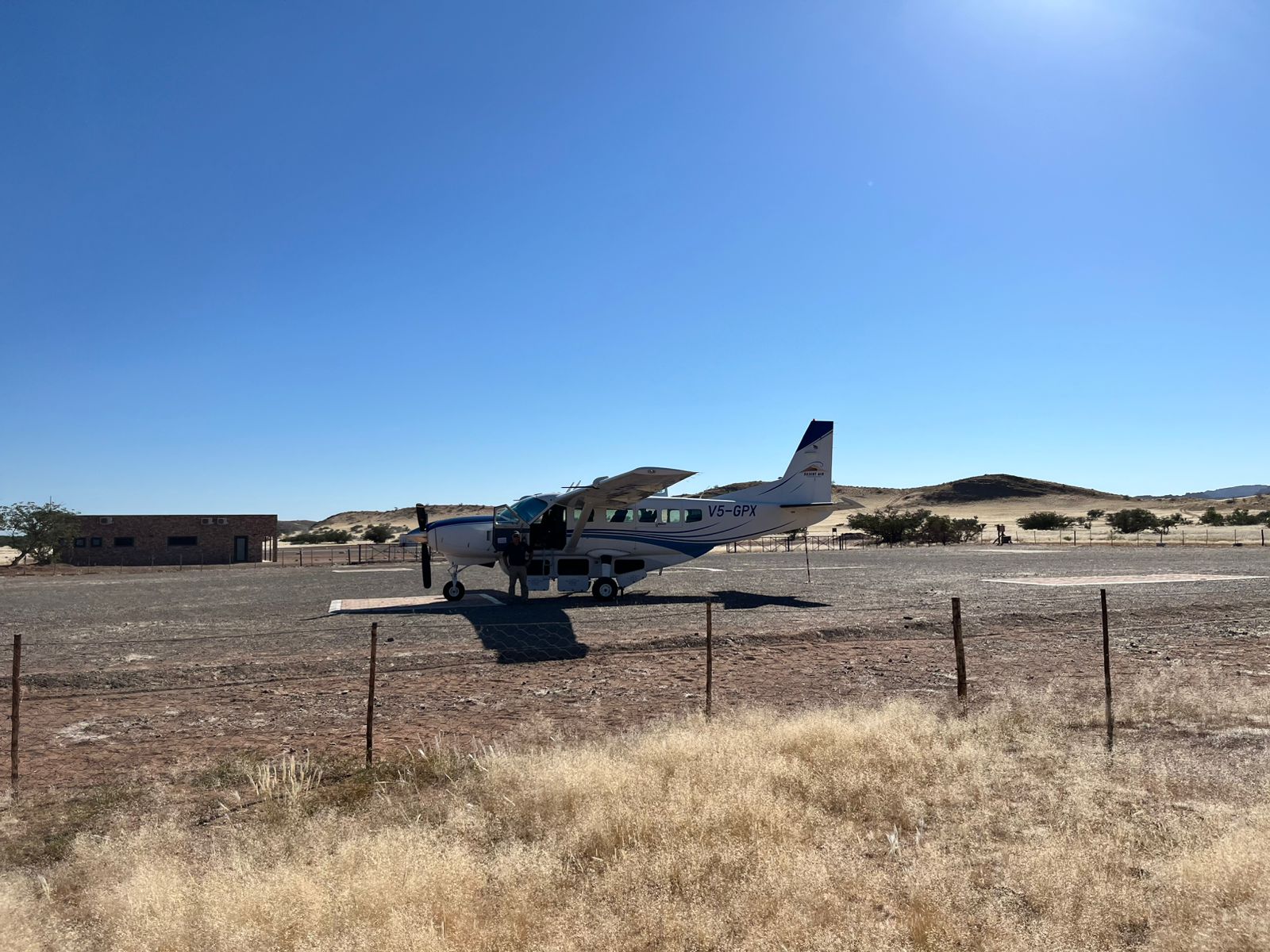
Fly in to the remote north
The wild northern coast is closed to private vehicles and can only be explored on a fly-in safari. Light aircraft land at remote camps, and the flights themselves, over dunes, canyons and shipwrecks, are a highlight. See our Namibia Fly-In Safari Guide.
Top things to see and do
- Cape Cross Seal Reserve: one of the world's largest Cape fur seal colonies, with tens of thousands of seals
- Shipwrecks: rusting hulls in the sand, from fishing trawlers to historic cargo ships
- Desert-adapted wildlife: lions, elephants and giraffes surviving in the dry riverbeds. Read about Namibia's desert-adapted wildlife.
- The roaring dunes: in the north, some dunes make a deep rumbling sound when you slide down them
- Scenic flights: over the coast, the Kunene River and the clay castles of the Hoarusib
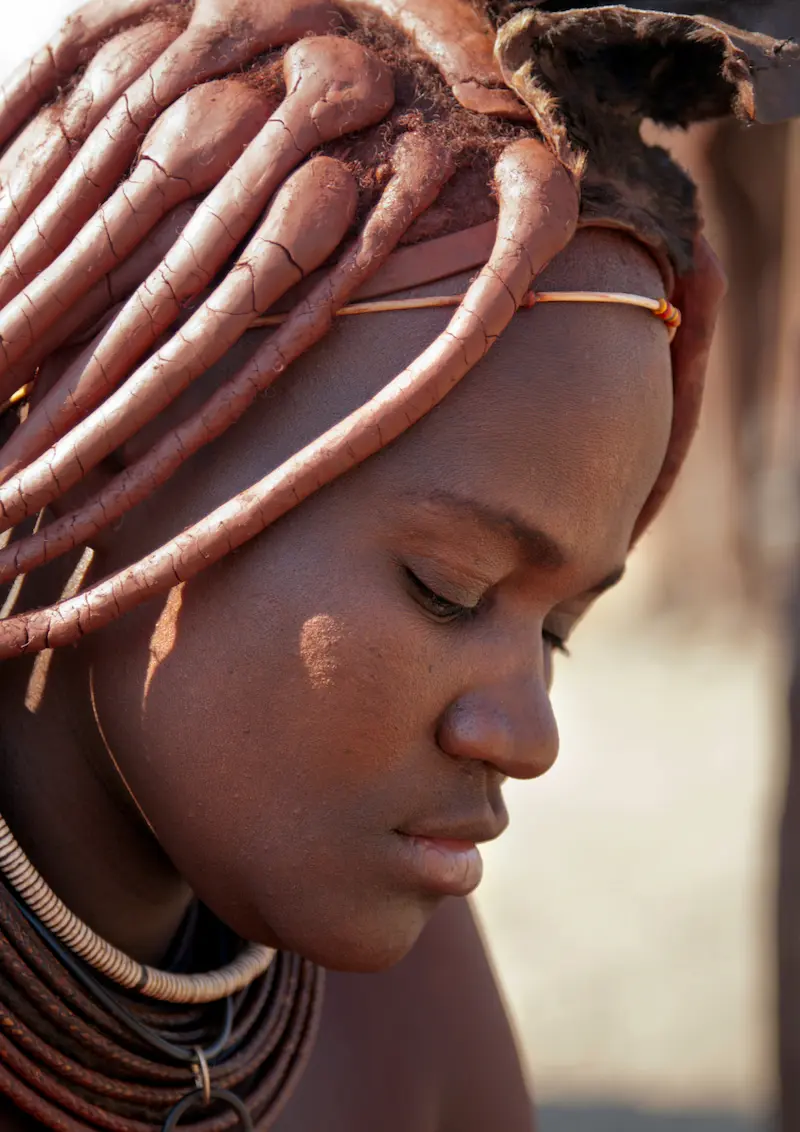
- Himba culture: visit Himba communities in the far north with respectful, guided introductions
- Fishing: the southern coast is famous for shore angling
Where to stay on the Skeleton Coast
Desert rivers and coast
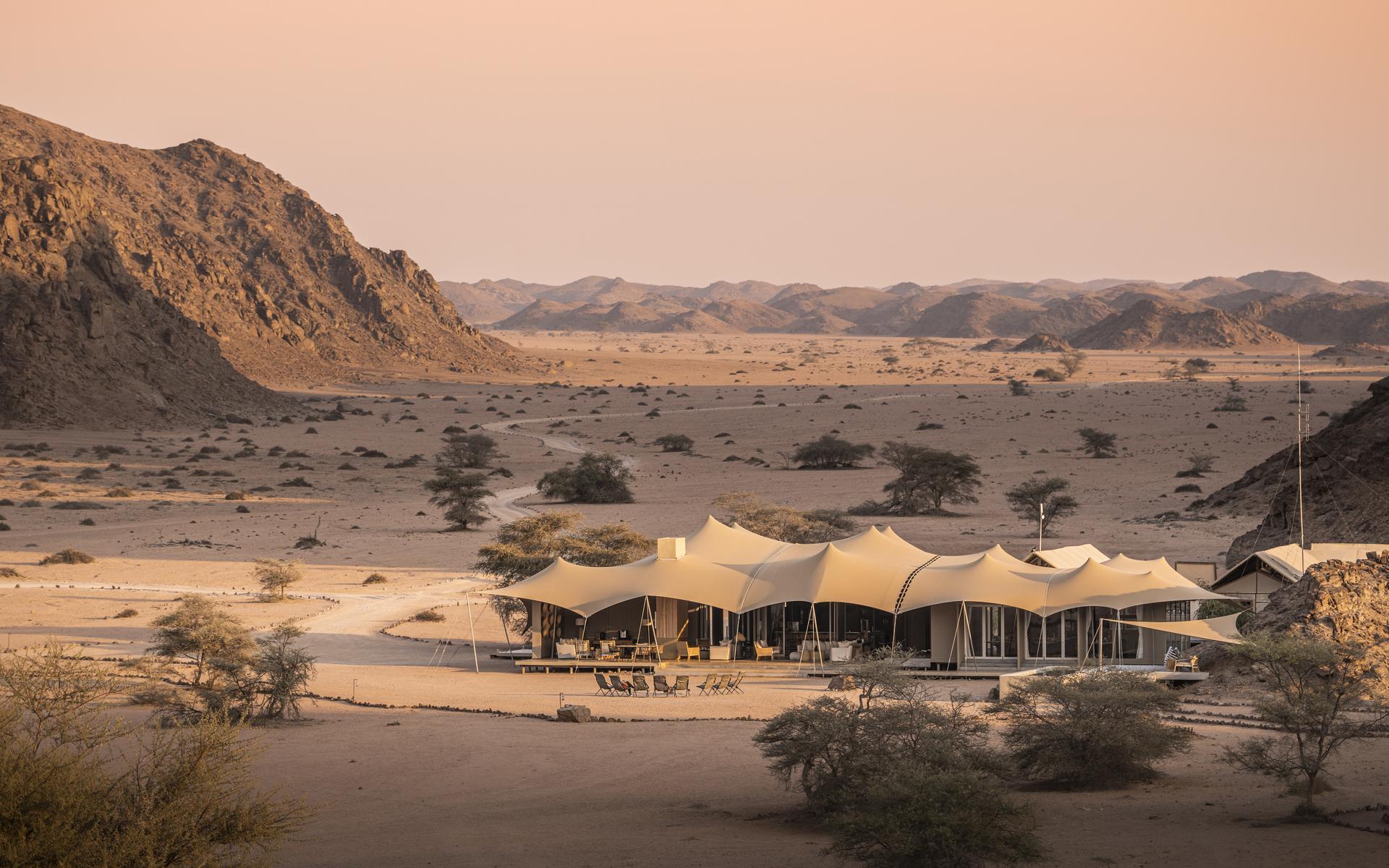
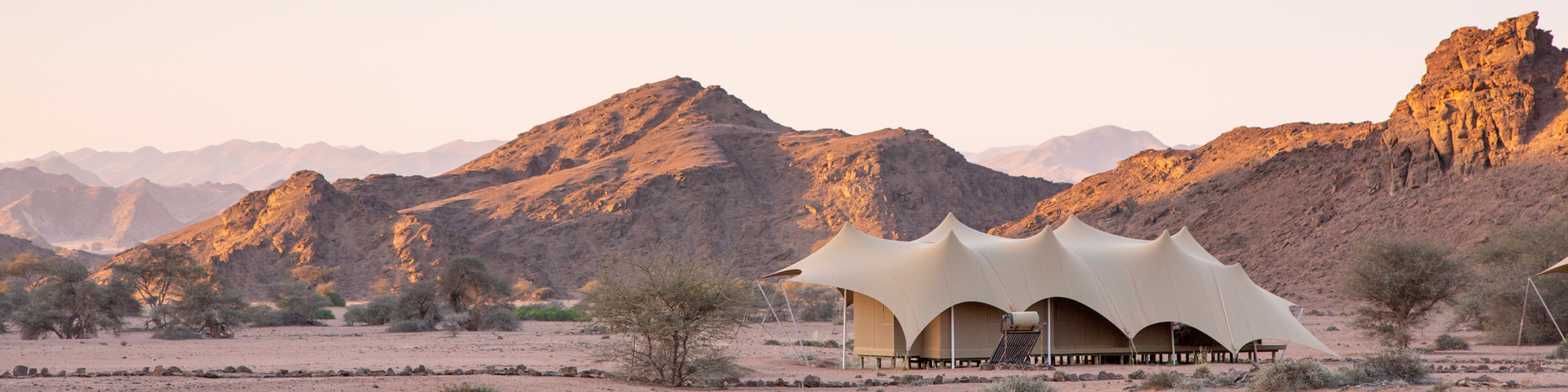
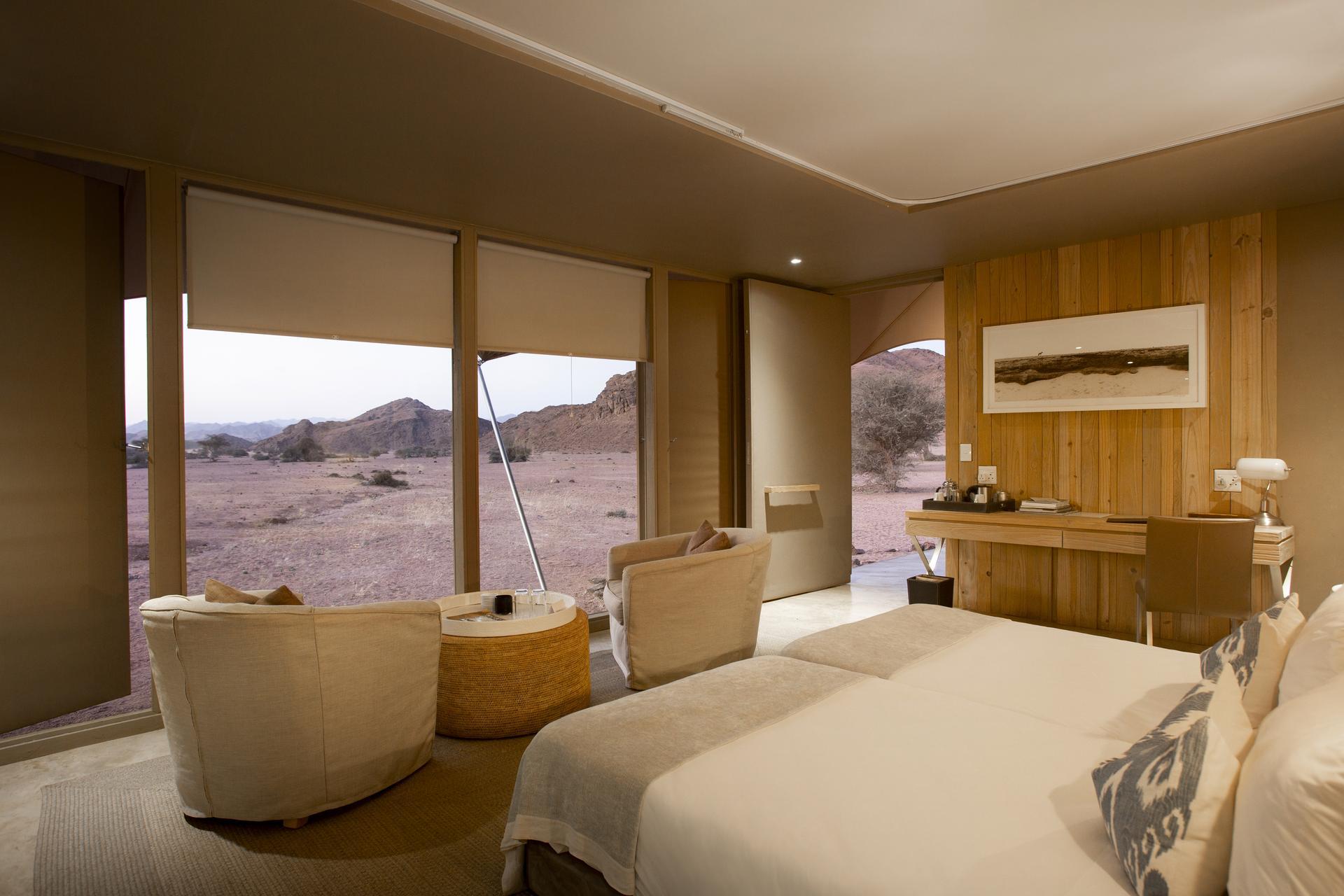
Hoanib Skeleton Coast Camp
Set in a remote valley near the Hoanib River, Wilderness's Hoanib Skeleton Coast Camp is a base for tracking desert-adapted lions, elephants and giraffes, with an excursion down the river to the coast and a seal colony at Möwe Bay.
The Kunene River
Serra Cafema
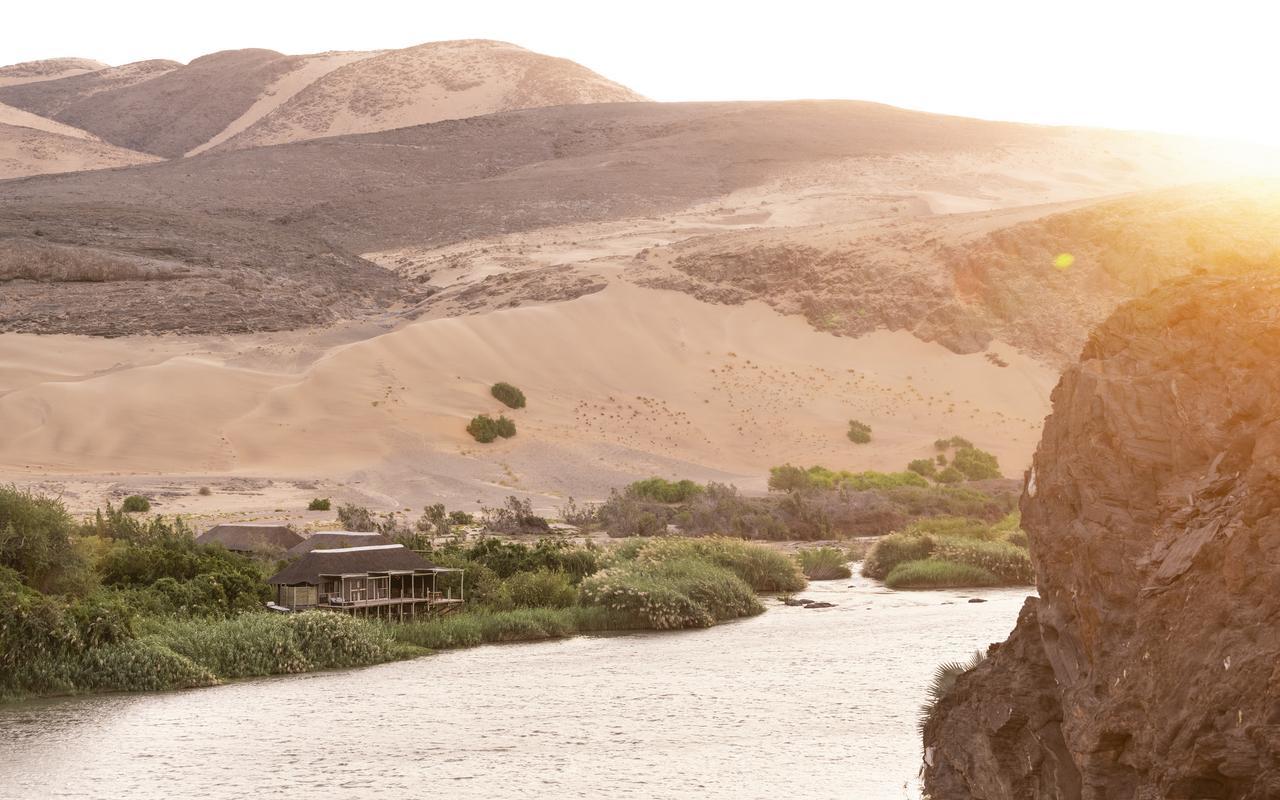
In Namibia's far north-west, on the banks of the Kunene River facing Angola, Wilderness's Serra Cafema is one of Africa's most remote camps. Expect river boat trips, dune excursions and visits to the Himba people.
Best time to visit the Skeleton Coast
The Skeleton Coast can be visited all year. The coast is cool and often foggy, especially in the mornings, while inland valleys can be hot in summer. May to October is pleasant for combining the coast with Etosha and Damaraland, while November to March brings seal pups at Cape Cross from about late November and warmer weather inland. Pack warm layers whatever the season.
Combine the Skeleton Coast with…
- Swakopmund: the coastal gateway, with adventure activities and seafood.
- Damaraland: rock art, desert elephants and rhino tracking.
- Etosha: the classic big-game finish. See our Etosha National Park Travel Guide.
- A romantic fly-in: see our Namibia Honeymoon Fly-In Safari.
The fog lifts, a lone brown hyena crosses the beach and the rusted ribs of an old ship catch the first light. Out here, at the edge of the world, Namibia tells its wildest love story.
Frequently asked questions
Why is it called the Skeleton Coast?
It is named after the whale and seal bones that once covered the beaches and the many shipwrecks caused by fog, currents and sandbanks along this dangerous coast.
Can you visit the Skeleton Coast without flying?
Yes. You can self-drive the southern section from Swakopmund via Cape Cross into the Skeleton Coast National Park. The remote northern section can only be reached on a fly-in safari.
What animals live on the Skeleton Coast?
Cape fur seals, brown hyenas, jackals and, in the dry riverbeds, desert-adapted lions, elephants and giraffes.
Where can I stay on the Skeleton Coast?
Hoanib Skeleton Coast Camp and Serra Cafema are two of the most remarkable camps in the region, both reached by light aircraft.
When is the best time to visit the Skeleton Coast?
The coast can be visited all year. It is cool and often foggy on the coast and hotter inland, so pack layers in every season.
Explore the Skeleton Coast with us
Self-drive or fly-in, we'll plan your Skeleton Coast adventure from start to finish.
Namibia Fly-In Safaris Namibia Safari Tours WhatsApp Us