Namibia • Wildlife
Namibia's Desert-Adapted Lions, Elephants & Rhinos
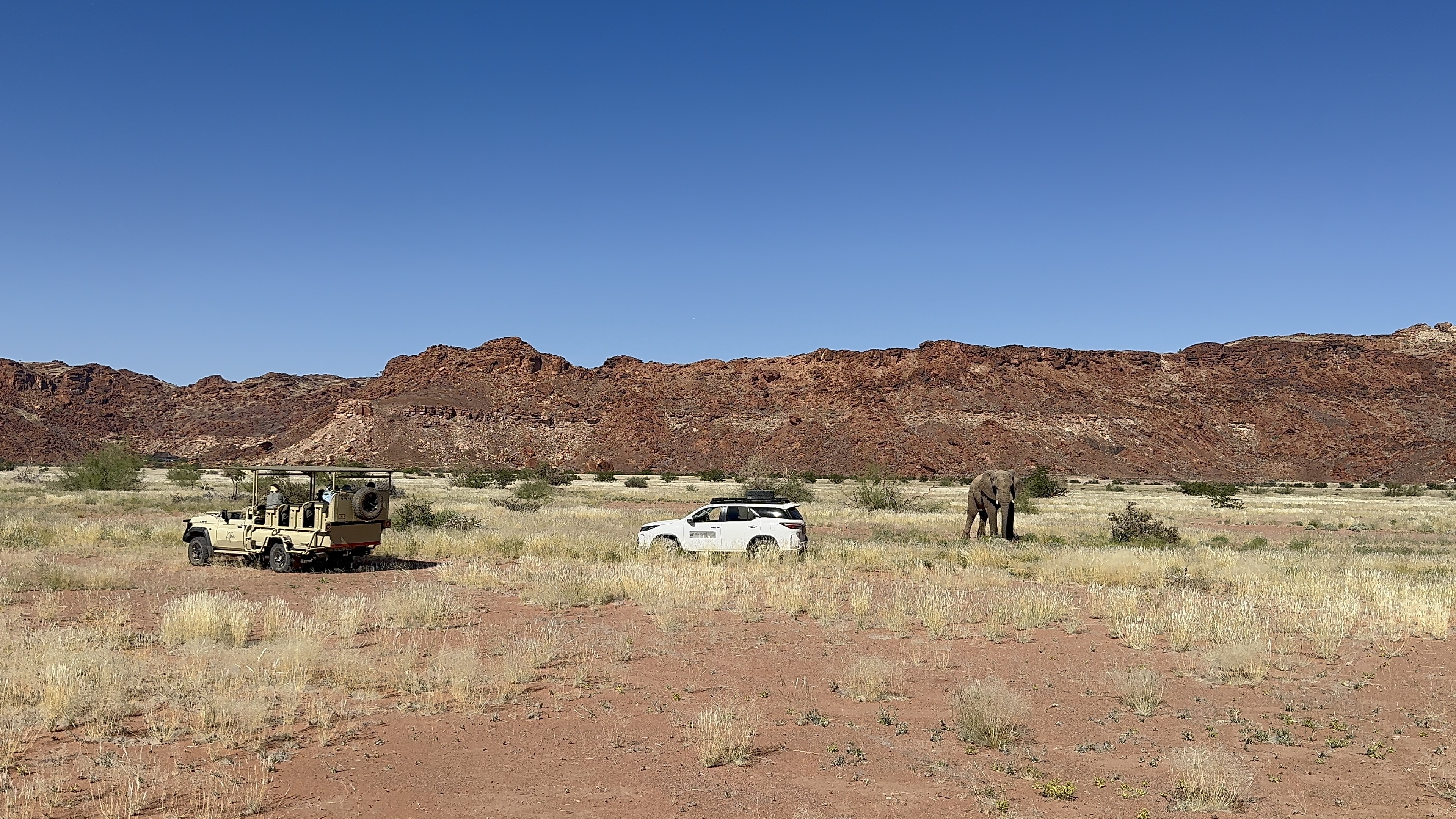
In the dry riverbeds of north-western Namibia, some of Africa's most remarkable animals have learned to survive where it barely rains. Desert-adapted elephants walk long distances between waterholes, lions hunt along the Skeleton Coast and black rhinos roam rocky hills. Seeing them is one of the most special wildlife experiences in Africa.
At a glance
- Where: Damaraland, the Kunene Region and the Skeleton Coast
- Key species: desert-adapted elephants, lions, black rhinos and giraffes
- Best areas: the Hoanib and Huab rivers, Palmwag and the Torra Conservancy
- Best time: May to October, when animals stay close to the riverbeds
- How: guided drives and tracking from specialist camps
What does "desert-adapted" mean?
These aren't separate species. They're elephants, lions and rhinos whose families have lived in the desert for generations and learned how to survive there. They travel further for water and food, know every hidden spring and can go longer without drinking. Young animals learn these skills from their elders, which is why every individual is so precious.
Desert-adapted elephants
Namibia's desert elephants live in small family groups along the dry Hoanib, Hoarusib, Huab and Ugab riverbeds. They can travel long distances in search of water and dig for it in the sand. They also feed carefully, so the trees they depend on survive. Watching a herd walk across open desert, dwarfed by the landscape, is unforgettable.

Desert lions
The lions of the Skeleton Coast and Kunene Region have adapted to one of the harshest environments any lion lives in. Some have been seen hunting seals and seabirds on the beach. Conservation projects, including community "lion rangers", work with local farmers to reduce conflict and protect these rare cats. The Hoanib River area is one of the best places to look for them.
Black rhinos
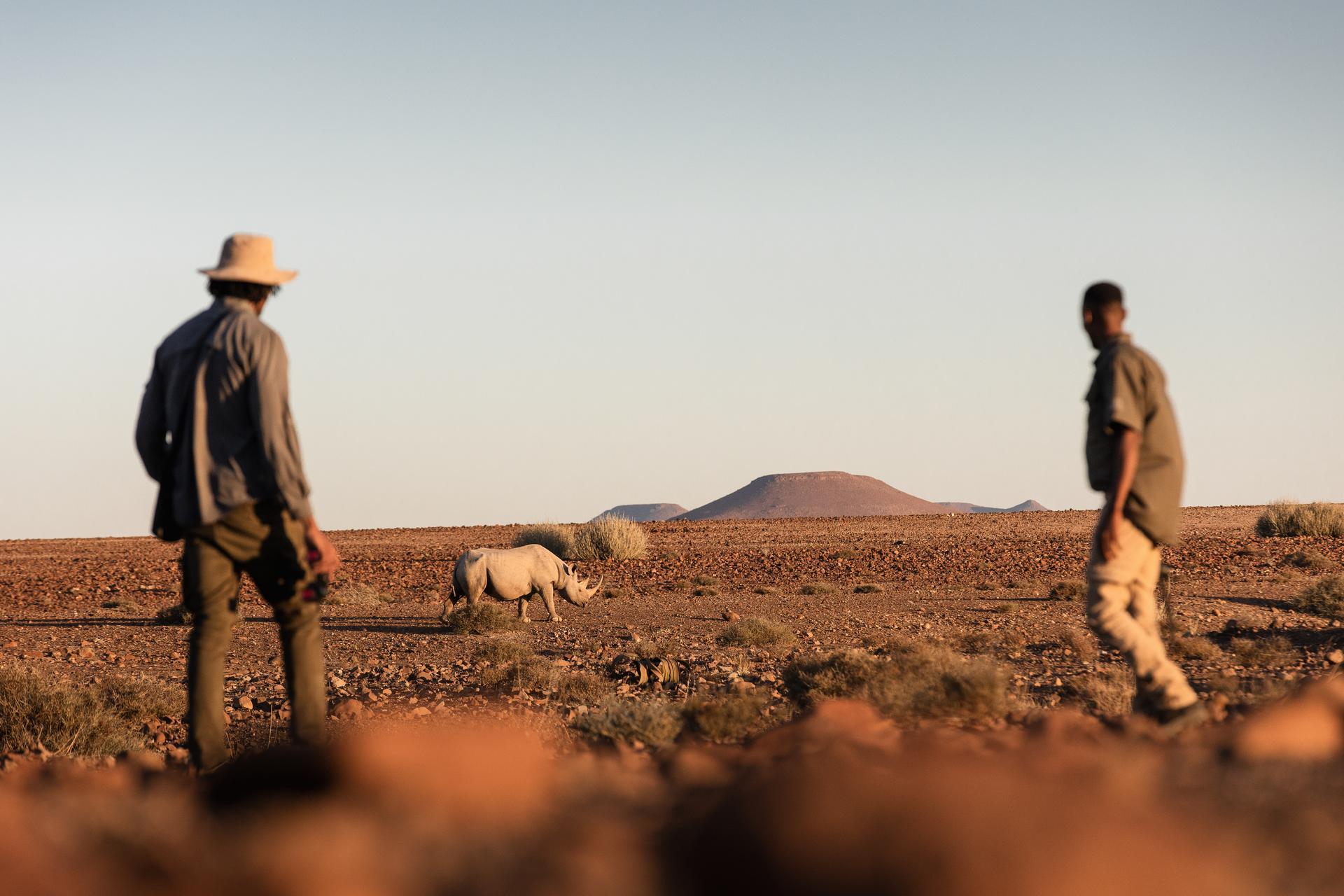
North-western Namibia is home to the largest free-roaming population of black rhinos on Earth, living outside fenced parks on communal and concession land. Rhino tracking on foot with expert trackers, often from community conservancies, is an intense and moving experience.
Where to see desert-adapted wildlife
Elephants and rhinos
Damaraland and Palmwag
Rugged mountains, ancient rock art at Twyfelfontein and excellent chances of desert elephants and black rhinos, with lodges and camps across the region.
Lions, elephants and giraffes
The Hoanib River and the Skeleton Coast
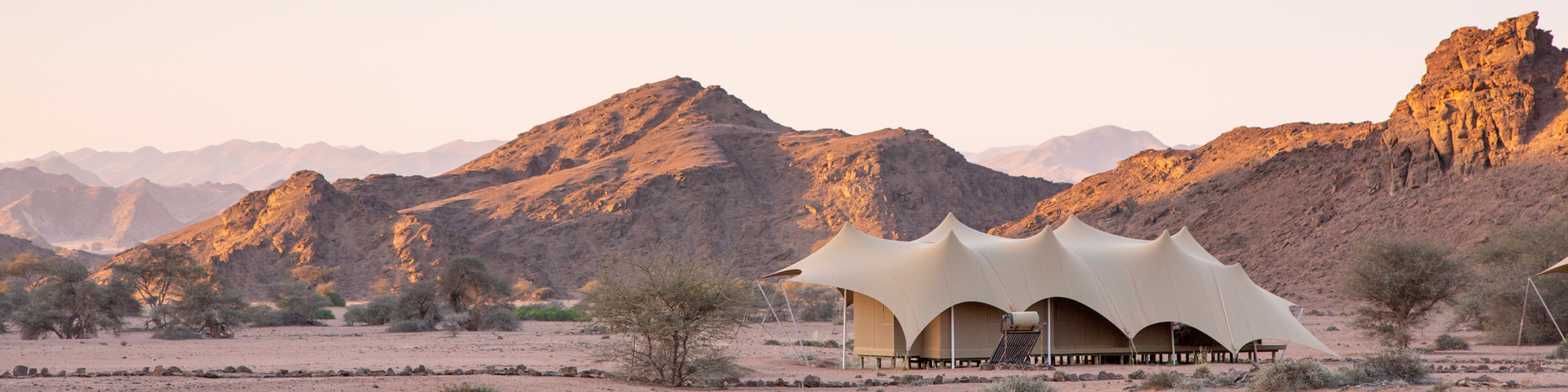
Stay at Hoanib Skeleton Coast Camp to track desert lions, elephants and giraffes, then drive to the coast. See our Skeleton Coast Safari Guide.
Remote north-west
The Kunene River
In the far north, Serra Cafema combines dramatic desert scenery with the Kunene River and Himba culture.
How to see them responsibly
- Go with an expert guide. They know the animals, read the tracks and keep a respectful distance.
- Choose community-linked camps. Many lodges partner with local conservancies, so tourism directly supports conservation.
- Be patient. Animals range widely, and finding them can take time, which makes each sighting more rewarding.
- Don't self-drive into riverbeds to look for elephants. It's risky for you and disturbing for them.
Plan your desert wildlife safari
Combine Damaraland and the Hoanib with Etosha for a complete Namibia safari, by road or on a fly-in. Read our Namibia Fly-In Safari Guide, our Skeleton Coast self-drive guide and our Etosha National Park Travel Guide.
A desert elephant pauses on a dune, trunk raised to the wind, then leads her family across the sand towards a waterhole only she remembers. Life finds a way, and so does love.
Frequently asked questions
Where can you see desert-adapted elephants in Namibia?
Desert-adapted elephants live along the dry riverbeds of Damaraland and the Kunene Region, including the Hoanib, Hoarusib, Huab and Ugab rivers.
Are there lions on the Skeleton Coast?
Yes. Desert-adapted lions live in the Kunene Region and along the Skeleton Coast, and have been seen hunting on the beach. The Hoanib River area is one of the best places to look for them.
Can you see black rhinos in Namibia?
Yes. North-western Namibia is home to the largest free-roaming black rhino population in the world. Rhino tracking is offered from camps in Damaraland and the Palmwag area.
Are desert elephants a different species?
No. They are African savannah elephants that have adapted their behaviour to survive in the desert over generations.
What is the best time to see desert-adapted wildlife?
May to October, the dry season, is best, as animals stay closer to the riverbeds and water sources.
Meet Namibia's desert survivors
We'll match you with the best camps and guides for desert elephants, lions and rhinos.
Namibia Fly-In Safaris Namibia Safari Tours WhatsApp Us