If the Okavango Delta is Botswana's crown, Moremi is the jewel set in its centre. Here the Delta's permanent waterways meet islands of dry land, mopane woodland and open floodplains, and the result is a density and variety of wildlife that few places in Africa can match. You can glide past hippos in a mokoro in the morning and follow a pack of wild dogs on the hunt in the afternoon.
This guide covers everything you need to plan a Moremi safari: its history, the main areas, the wildlife, the difference between staying inside the reserve and on the private concessions around it, fly-in versus self-drive, when to go and what it costs. For camps, routes and 2026 prices, see our Moremi Game Reserve safaris page.
A Reserve Created by the People of the Delta
Moremi's story is unusual. By the early 1960s, uncontrolled hunting and cattle grazing were pushing deeper into the Okavango. The BaTawana people, led by Mrs Elizabeth Pulane Moremi, widow of Chief Moremi III, decided to protect their ancestral land. In 1963 they set it aside as a game reserve and named it after the chief.
It is often described as the first reserve in Africa established by local residents rather than by a colonial or national government. Chief's Island, the Delta's largest island and once a royal hunting ground, later became part of the reserve. Today Moremi is managed by Botswana's Department of Wildlife and National Parks and sits at the heart of the country's high-value, low-impact approach to tourism.
Land and Water: What Makes Moremi Different
Most of Moremi lies within the Okavango Delta itself, and only part of it is dry mainland. That mix creates a mosaic of habitats packed close together:
- Permanent channels and lagoons lined with papyrus and waterlilies, home to hippo, crocodile, red lechwe and fish eagles.
- Seasonal floodplains that fill with water in winter and turn into rich grazing as they dry.
- Islands and riverine forest, where leopard rest in sausage trees and baboons forage.
- Mopane woodland and dry grassland on the mainland and the Moremi Tongue, favoured by elephant, buffalo and plains game.
The annual flood is the engine of it all. Rain that falls in the Angolan highlands takes months to flow down into the Delta, reaching Moremi from around May and usually peaking from June to August, in the middle of Botswana's dry season. Our complete guide to an Okavango Delta safari explains the flood in detail.


The Main Areas of Moremi
| Area | Character | Highlights |
|---|---|---|
| Chief's Island | The Delta's largest island, in the heart of the reserve. Reached by light aircraft. | Some of Botswana's most consistent big-cat and plains-game viewing; home to Wilderness Mombo and Little Mombo |
| Xakanaxa | Lagoons and channels on the eastern edge of the permanent Delta | Boating, waterbird breeding colonies, leopard in the riverine forest |
| Third Bridge | Pole bridges and floodplains on the Sekiri River | Lion, wild dog and a classic self-drive camping spot |
| South Gate (Maqwee) | The southern entrance from Maun, with mopane woodland and pans | Elephant, buffalo and plains game |
| North Gate & Khwai | The Khwai River on Moremi's northeastern boundary | Hippo pools, elephants, and a link to the Khwai and Mababe areas |
| Moremi Tongue | A long strip of dry land reaching into the Delta | Remote, quiet woodland and floodplain |
Wildlife in Moremi
Moremi is one of the most rewarding places in Africa for serious wildlife viewing, because so many species share such a varied landscape.
Predators
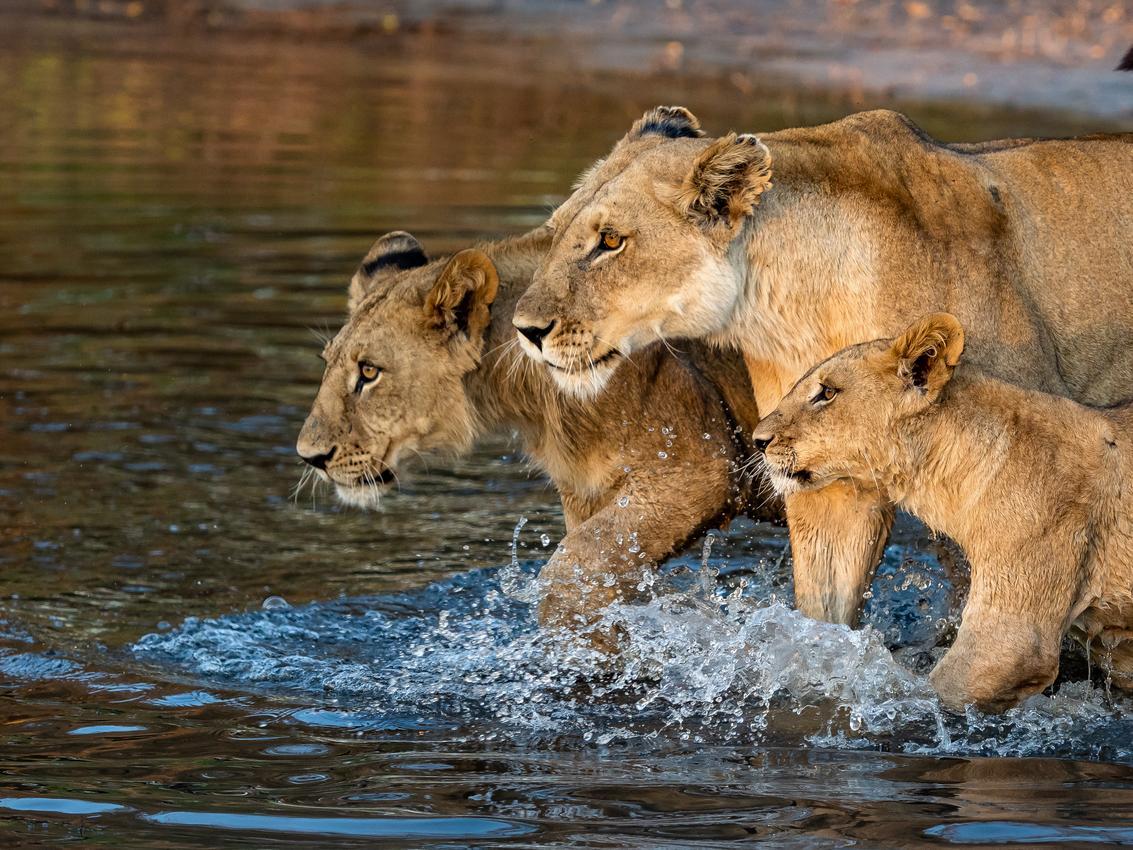
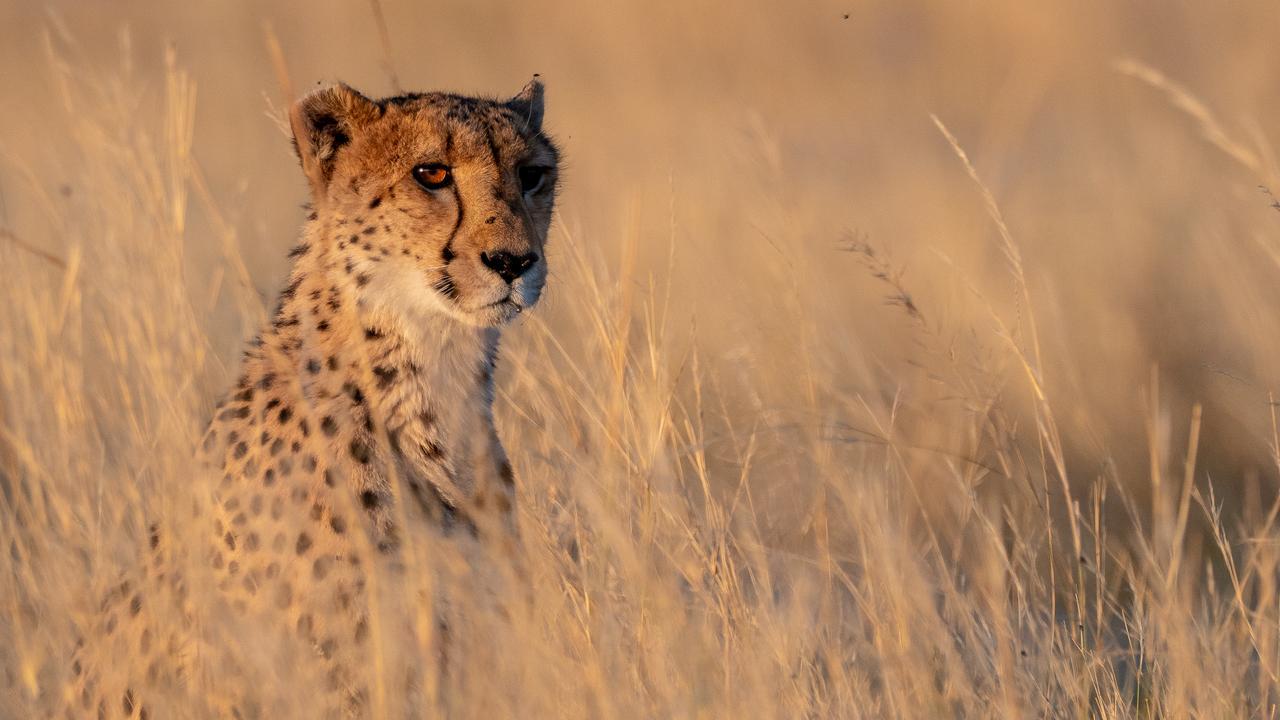
Lion are widespread, and some prides have adapted to crossing water between islands. Leopard are frequently seen in the riverine woodland, and cheetah hunt on the open floodplains. Spotted hyena are common.
African wild dog
Moremi and the Okavango are among Africa's most important strongholds for the endangered African wild dog, and packs in the area have been studied by researchers since 1989. From roughly June to September, packs often den, which can make sightings more predictable on the private concessions.
Herds and plains game
Elephant and buffalo gather in large numbers, especially in the dry season. Zebra, giraffe, wildebeest, kudu, tsessebe and impala share the floodplains with the water-loving red lechwe. In the deepest papyrus, the shy sitatunga antelope is a rare and special sighting.
Rhino
Black and white rhino have been reintroduced to the Okavango region, making Moremi a potential Big Five destination. Poaching has hit rhino hard, though, and sightings today are rare and never guaranteed.
Birds
Around 500 bird species have been recorded, from African fish eagles and Pel's fishing owls to wattled cranes, carmine bee-eaters and the herons, storks and egrets of the Xakanaxa breeding colonies. Birding is best from November to March, when migrants arrive.

Inside the Reserve or on a Private Concession?
This is the most important choice when you plan a Moremi safari. The reserve is surrounded by private concessions, leased to safari companies, which share the same wildlife but operate under different rules.
| Inside Moremi Game Reserve | Bordering private concessions | |
|---|---|---|
| Examples | Wilderness Mombo and Little Mombo (Chief's Island) | Wilderness Chitabe, Chitabe Lediba, Qorokwe and Mokete |
| Game drives | Daytime, within reserve hours | Day and night drives |
| Off-road | Vehicles stay on tracks | Guides can follow wildlife off-road, within concession rules |
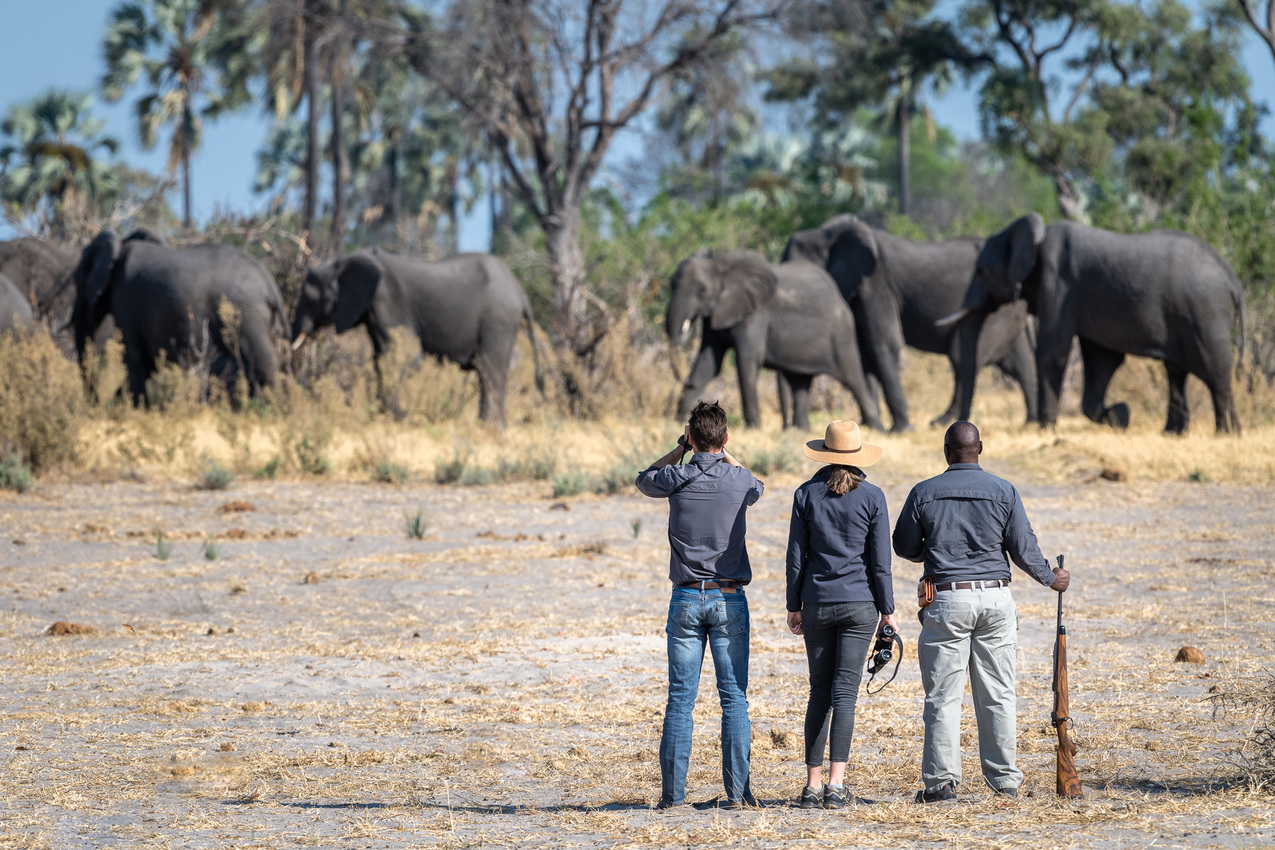
| Walking | Not offered at Mombo | Guided walks at selected camps |
| Other vehicles | Limited; Mombo's area is reached only by its own guests | Only the concession's own guests |
Many of our guests do both: a few nights on a concession for night drives and walks, then a finale at Mombo. Our article on where to stay in Moremi compares every Wilderness camp in and around the reserve, with 2026 rates.
Fly-In or Self-Drive?
Moremi is one of the few great reserves where you can still self-drive and camp. It is also one of the most demanding.
| Fly-in safari | Self-drive and camping | |
|---|---|---|
| Getting there | Short light-aircraft flights from Maun or Kasane to the camp airstrip | Deep sand, mud and seasonal water crossings; a capable 4x4 is essential |
| Accommodation | Small, fully inclusive camps with expert guides | Public campsites, which must be booked well in advance |
| Activities | Guided drives, mokoro, boating, walks and night drives on concessions | Your own drives within reserve hours |
| Best for | Couples, families, first-time visitors and anyone who values comfort and expert guiding | Experienced 4x4 travellers comfortable with remote bush camping |
For most of our guests, and especially for older travellers, a fly-in safari is the clear choice. You spend your time watching wildlife rather than digging a vehicle out of the sand, and a professional guide will find and interpret far more than you could alone.

When to Visit Moremi
January – March
Green season. Lush scenery, newborn animals, migrant birds and the lowest camp rates. Afternoon storms; game more spread out.
April – May
Rains end and the flood begins to arrive. Mild, pleasant and good value. A favourite shoulder season.
June – August
Peak flood. Islands concentrate wildlife and mokoro trips are at their best. Cold mornings, sunny days.
September – October
Hot and dry. Wildlife gathers at the remaining water for the most intense game viewing of the year.
For the full calendar, read our best time to visit Botswana guide.
How to Get to Moremi
Most Moremi safaris begin in Maun, which has flights from Johannesburg. On the Wilderness Air circuit, guests arriving on international flights depart Maun for the camps at 14:45, and transfers between camps fly between 11:00 and 16:00. Coming from Victoria Falls or Chobe? The daily Kasane departure leaves at 14:00–14:30. Our Victoria Falls to Okavango Delta transfer guide explains the full route.
Light aircraft allow about 20 kg per person in a soft bag, including hand luggage.
How Much Does a Moremi Safari Cost?
On a fly-in safari, most of your budget is the camp nights. 2026 Wilderness fully inclusive rates in and around Moremi, per person per night sharing:
| Camp | Location | Jan–Mar from | Jun–Oct from |
|---|---|---|---|
| Wilderness Mokete | Mababe, east of Moremi | US$1,145 | US$1,731 |
| Wilderness Qorokwe | Borders Moremi | US$1,480 | US$2,940 |
| Wilderness Chitabe Lediba | Borders Moremi | US$1,524 | US$3,028 |
| Wilderness Chitabe | Borders Moremi | US$1,707 | US$3,392 |
| Wilderness Mombo & Little Mombo | Inside Moremi, Chief's Island | US$2,889 | US$5,043 |
Rates include accommodation, all meals, twice-daily activities, park fees, laundry and local drinks. Light-aircraft flights, premium drinks and gratuities are extra. See full journeys and prices on our Moremi Game Reserve safaris page, and the bigger picture in our Botswana safari cost guide.
Practical Tips
- Health: Moremi is in a malaria area. Ask your doctor about prevention well before you travel.
- Clothing: neutral colours, warm layers for June to August mornings, and a hat and sunscreen all year.
- Binoculars: one pair each makes a big difference, especially for birding.
- Children: many camps have minimum ages for activities. Chitabe Lediba has family units and suits families well.
- Booking: camps are small. For July to October, book 9 to 12 months ahead.
Frequently Asked Questions
Is Moremi a national park?
Moremi is officially a game reserve, not a national park, though many travellers call it Moremi National Park. It was set aside in 1963 by the BaTawana people and covers the central and eastern Okavango Delta, including Chief's Island.
What is Moremi Game Reserve famous for?
Moremi is famous for combining land and water safaris in one reserve, for excellent predator viewing including lion, leopard and the endangered African wild dog, for large elephant and buffalo herds, and for around 500 bird species. It was also one of the first reserves in Africa created by local people.
What is the best time to visit Moremi?
July to October is the best time for game viewing, when the dry season concentrates wildlife around water and the Okavango flood is high. January to March is the green season, with newborn animals, excellent birding and the lowest camp rates.
Can you see the Big Five in Moremi?
Lion, leopard, elephant and buffalo are seen regularly. Rhino have been reintroduced to the Okavango region, but numbers have been hit by poaching and sightings are rare and never guaranteed.
Can you self-drive in Moremi?
Yes, with a capable, well-equipped 4x4 and pre-booked public campsites. Roads include deep sand, mud and seasonal water crossings, so self-driving suits experienced bush travellers. Most visitors choose a fly-in safari to a small camp instead.
How do you get to Moremi Game Reserve?
Most visitors fly from Johannesburg to Maun, then take a short light-aircraft flight to their camp's airstrip. From Victoria Falls, travellers go by road to Kasane and fly into the camps from there.
Which camps are inside Moremi Game Reserve?
Wilderness Mombo and Little Mombo sit inside the reserve on Chief's Island. Wilderness Chitabe, Chitabe Lediba, Qorokwe and Mokete are on private concessions on Moremi's borders, where night drives and guided walks are also possible.
How many days do you need in Moremi?
Three nights at one camp is a good minimum. Five to six nights across two contrasting camps, one inside the reserve and one on a concession or water camp, gives a much fuller experience.
Book a Moremi Safari
Fly-in Moremi safaris with expert guides, tailored to your dates.


Plan Your Moremi Safari
Tell us your dates and what you most want to see. We will match the right Moremi camps, routing and pace.
Request Availability & Quote WhatsApp us