Most visitors to Botswana head straight for the Okavango Delta and Chobe. But south of the Delta lies a completely different Botswana: the blinding white salt pans of the Makgadikgadi, ancient baobabs at Nxai Pan and Kubu Island, a river that draws thousands of zebra in the dry season, and the vast grasslands and fossil valleys of the Central Kalahari. This is a land of meerkats, zebra migrations, black-maned lions, San Bushmen tracking skills and a silence you can almost hear.
For many of our guests, these desert nights become the most surprising part of their Botswana safari. This guide explains where the pans and the Kalahari are, the zebra migration, what to do, the wildlife, the best time to go, where to stay, how to get there, sample routes and costs.

Where Are the Makgadikgadi Pans and Central Kalahari?
The Makgadikgadi Pans lie between Maun and Nata in north-eastern Botswana. They are the dried bed of an ancient super-lake that once covered much of northern Botswana, and today form one of the largest salt-pan systems on Earth. The two main pans are Ntwetwe in the west and Sowa (Sua) in the east, surrounded by grasslands, palm islands and scattered baobabs. The Makgadikgadi Pans National Park protects the western grasslands down to the Boteti River.
Nxai Pan National Park sits just to the north, across the Maun–Nata road, with a grassy fossil pan, a famous waterhole and Baines' Baobabs.
The Central Kalahari Game Reserve (CKGR) lies further south-west, in the very centre of the country. Covering more than 50,000 km², it is one of the largest protected areas in Africa — larger than Switzerland or the Netherlands — and among the most remote.
| Makgadikgadi & Nxai Pan | Central Kalahari | |
|---|---|---|
| Landscape | Salt pans, grasslands, palm islands, baobabs | Grassy fossil river valleys, acacia, open plains |
| Signature wildlife | Zebra migration, meerkats, brown hyena, flamingos | Kalahari lions, gemsbok, springbok, cheetah |
| Access | 1.5–3 hours by road from Maun, or a short flight | About 1 hour by light aircraft, or a long 4x4 drive |
| Best season | Both — different experiences in each | December – April |
| Best for | Unique experiences, families, photographers | True wilderness and solitude |
Key Facts at a Glance
| Place | Good to know |
|---|---|
| Makgadikgadi Pans | Remains of an ancient lake; among the largest salt flats in the world; visible from space |
| Ntwetwe & Sowa pans | The two largest pans; Sowa hosts flamingo breeding after good rains |
| Kubu Island | A rocky granite "island" of baobabs rising from Sowa Pan; a national monument |
| Nxai Pan | Fossil pan covered in grass; excellent wet-season game and a busy dry-season waterhole |
| Baines' Baobabs | A grove of ancient baobabs painted by explorer Thomas Baines in 1862 |
| Boteti River | Western boundary of Makgadikgadi Pans National Park; dry-season lifeline for zebra and elephants |
| Central Kalahari | Over 50,000 km²; Deception Valley made famous by the book Cry of the Kalahari |
The Zebra Migration
Botswana has one of Africa's great — and least known — zebra migrations. Tens of thousands of zebra, with wildebeest alongside, move between two areas over the year:
- Wet season (about December – April): after the first good rains, the herds move east onto the fresh, mineral-rich grasslands around the Makgadikgadi Pans and Nxai Pan, where they give birth. Lions, cheetah and hyena follow the herds.
- Dry season (about May – November): as the pans dry out, the herds trek back west to the Boteti River, the only reliable water in the area, where you can watch thousands of zebra coming down to drink and cross.
Timing shifts with the rains each year — a late or poor rainy season delays the move. We track conditions with our camp partners before recommending where to stay.
Things to Do in the Makgadikgadi
Meet the meerkats
Habituated meerkat colonies let you sit quietly on the ground a few metres away as they forage, groom and stand sentry — sometimes even climbing onto a guest as a lookout post. It is one of the most joyful wildlife experiences in Africa, and best in the early morning as they emerge to sun themselves.
Quad-bike across the salt pans
In the dry season (roughly May to October), when the pan surface is hard, guided quad-bike trips cross the white salt to a horizon of pure emptiness. It is the closest thing to driving on another planet.
Sleep out on the pans
Selected camps offer a night out on the open salt pan — a bedroll under one of the darkest, starriest skies in Africa, with a campfire dinner and total silence. Dry season only.
Walk with San Bushmen
Walk with San guides to learn how their ancestors tracked animals, found water, made fire and gathered food in the Kalahari — a fascinating window into one of the world's oldest cultures.
Game drives and night drives
Look for zebra and wildebeest herds, springbok, gemsbok, lions and cheetah, plus nocturnal species like brown hyena, aardvark, aardwolf and bat-eared foxes on night drives in private concessions.
See flamingos
After good rains, Sowa and Ntwetwe pans can hold shallow water that attracts huge flocks of greater and lesser flamingos. The Nata Bird Sanctuary on the edge of Sowa Pan is the most accessible place to see them.
Scenic flights and horseback safaris
Some camps offer helicopter flights or horse-riding on the edges of the pans — two spectacular ways to grasp the scale of the landscape.

Nxai Pan and Baines' Baobabs
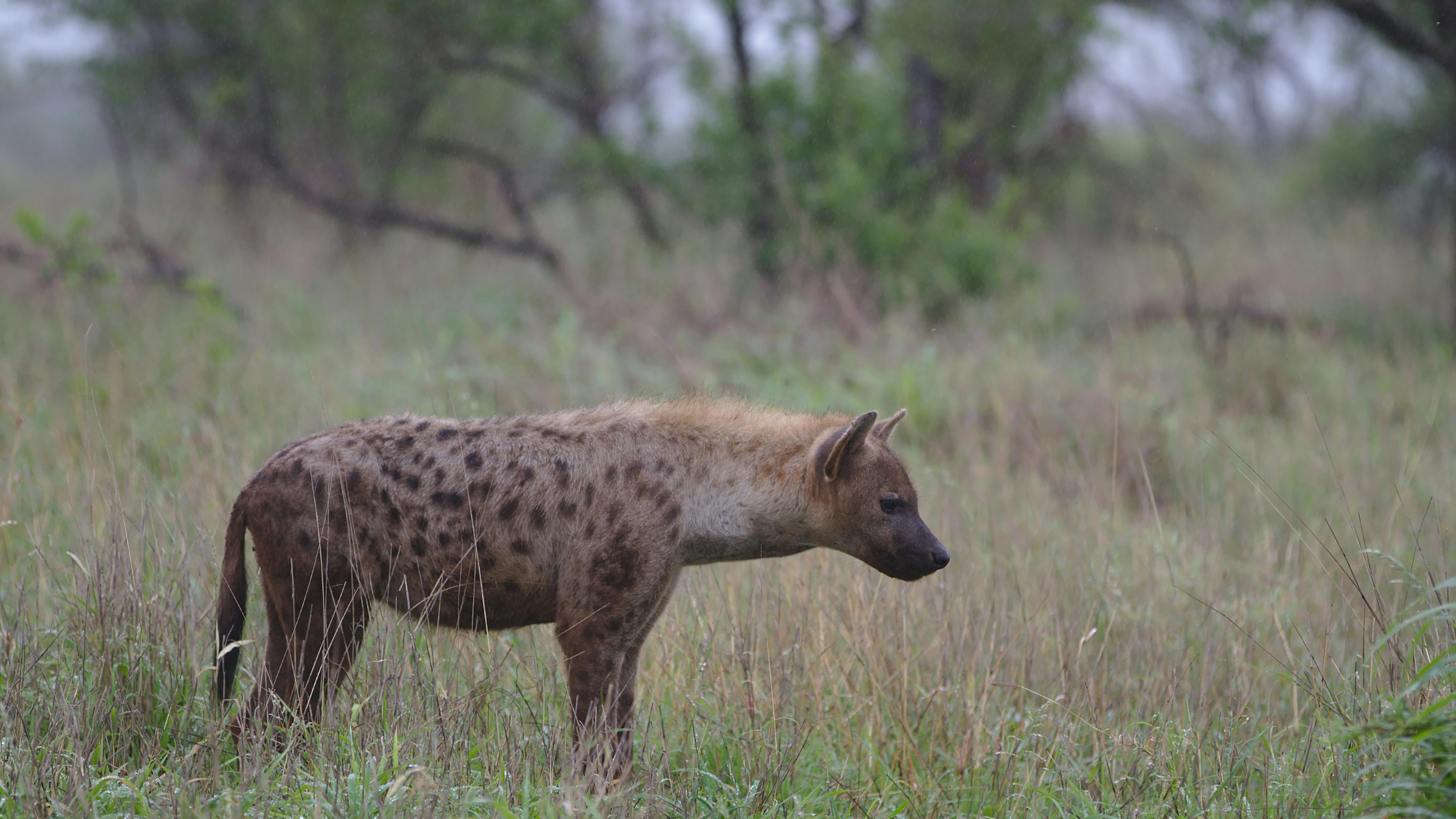
Nxai Pan National Park is a grassy fossil pan dotted with islands of acacia. In the green season it fills with zebra, wildebeest, springbok and giraffe, with lions and cheetah close behind. In the dry season, a single waterhole becomes a magnet for elephants, and you can sit and watch the action for hours.
On the southern edge, Baines' Baobabs — a group of huge, ancient baobab trees on the shore of the Kudiakam Pan — look almost exactly as they did when the artist and explorer Thomas Baines painted them in 1862. They make a magical stop for a picnic or a sunset.
The Boteti River
The Boteti River forms the western boundary of Makgadikgadi Pans National Park. In the dry season it becomes one of the most dramatic wildlife spectacles in Botswana: thousands of zebra and wildebeest, plus elephants, coming to drink from the river and the pools along its banks. Lodges along the river have hides and viewing decks where you can watch from just metres away.

The Central Kalahari Game Reserve
The CKGR is for travellers who want to feel genuinely far from everything. Its highlight is Deception Valley, an ancient river valley that turns green after the rains and draws springbok, gemsbok, wildebeest, red hartebeest and giraffe — followed by the famous black-maned Kalahari lions, cheetah, brown hyena, leopard and, with luck, wild dogs. Other well-known areas include Piper Pan, Sunday Pan and Passarge Valley.
- Best time: about December to April, when the valleys are green and game is concentrated.
- Getting there: most visitors fly in to a lodge by light aircraft. Self-drive is only for well-equipped, experienced 4x4 travellers who are fully self-sufficient and have booked campsites.
- Accommodation: a handful of lodges inside the reserve and in private concessions on its edges, plus remote, unfenced public campsites.
- Culture: the CKGR was created in 1961 partly to protect the traditional lands of the San, and San-guided walks are a highlight at several lodges.

Wildlife to Look For
| Animal | Where | When |
|---|---|---|
| Zebra & wildebeest | Makgadikgadi grasslands, Nxai Pan / Boteti River | Dec–Apr / May–Nov |
| Meerkats | Makgadikgadi (habituated colonies) | All year; best mornings |
| Black-maned Kalahari lions | Central Kalahari, Nxai Pan | Best Dec–Apr |
| Cheetah | Central Kalahari, Nxai Pan, Makgadikgadi | Best Dec–Apr |
| Brown hyena | Makgadikgadi, Central Kalahari | All year, often on night drives |
| Elephant | Boteti River, Nxai Pan waterhole | Dry season |
| Springbok, gemsbok, red hartebeest | Central Kalahari, Nxai Pan | Best Dec–Apr |
| Flamingos & pelicans | Sowa Pan, Nata Bird Sanctuary | After good rains |
| Aardvark, aardwolf, bat-eared fox | Private concessions on night drives | All year |
Best Time to Visit
| Months | Makgadikgadi & Nxai Pan | Central Kalahari |
|---|---|---|
| Dec – Feb | Zebra arrive on the pans; foals, green grasslands, migrant birds | Best time — Deception Valley green, predators active |
| Mar – Apr | Herds still on the grasslands; flamingos after good rains | Excellent — lush, quiet, great light |
| May – Jun | Zebra moving towards the Boteti; quad-biking begins; cool nights | Drying out, cold nights |
| Jul – Aug | Zebra at the Boteti River; quad-biking and sleep-outs; meerkats | Quiet and stark, very cold nights |
| Sep – Nov | Peak Boteti action; very hot; first rains in Nov | Very hot; game returns after the first rains |
See how this fits Botswana's other regions in our best time to visit Botswana guide.
Weather in the Kalahari
The Kalahari is a semi-desert with big temperature swings. As a rough guide:
- June – August: clear, sunny days of about 22–26°C; nights can drop below 0°C.
- September – November: hot and dry, often 35–40°C by day before the rains.
- December – April: hot and humid with afternoon thunderstorms; days around 30–33°C, mild nights.
Camps run activities in the cooler early mornings and late afternoons, with a long siesta in the heat of the day.
Where to Stay
Accommodation in the pans and the Kalahari is limited and intimate, which keeps the experience exclusive. Options include:
| Area | Style | Best for |
|---|---|---|
| Ntwetwe Pan (private concessions) | Classic and luxury tented camps | Meerkats, quad-biking, sleep-outs, San walks |
| Boteti River | Tented camps and lodges with river-view hides | Dry-season zebra and elephant viewing, easy access from Maun |
| Nxai Pan | A small lodge and public campsites | Wet-season game, waterhole viewing |
| Central Kalahari | A few lodges inside and on the edges; remote campsites | Green-season predators and solitude |
Most camps are fully inclusive of meals, activities and park fees, like the Okavango camps. Well-known names include Jack's Camp, San Camp and Camp Kalahari on Ntwetwe Pan, Meno a Kwena and Leroo La Tau on the Boteti, Nxai Pan Camp, and Kalahari Plains Camp and Tau Pan Camp in the Central Kalahari. We help you choose the right camp for your month and budget.
Getting There
| From | To | How | Time |
|---|---|---|---|
| Maun | Boteti River camps | Road transfer | About 1.5–2 hours |
| Maun | Ntwetwe Pan camps | Road transfer or light aircraft | About 2.5–3 hours / 30–40 min |
| Maun | Nxai Pan | Road (4x4 inside the park) | About 2.5 hours |
| Maun | Central Kalahari lodges | Light aircraft | About 1 hour |
| Okavango Delta camps | Pans or Kalahari | Light aircraft, sometimes via Maun | About 30–60 min |
Light-aircraft flights have the usual Botswana luggage limit of about 20 kg per person in a soft bag.
Sample Itineraries
| Route | Nights | Best season |
|---|---|---|
| Okavango Delta 3 → Makgadikgadi 2 → Maun | 5 | Year-round (pans in either season) |
| Okavango Delta 4 → Boteti River 2 → Maun | 6 | June – November |
| Central Kalahari 3 → Makgadikgadi 2 → Okavango Delta 3 | 8 | December – April |
| Victoria Falls 2 → Chobe 2 → Okavango 3 → Makgadikgadi 2 | 9 | June – October |
| Victoria Falls 2 → Chobe 2 → Okavango 3 → Nxai Pan 2 → Central Kalahari 2 | 11 | January – April |
Start from our Victoria Falls, Chobe and Okavango itinerary and swap two Delta nights for the pans — or ask us to design a green-season "Kalahari and Delta" safari.
What Does It Cost?
Makgadikgadi and Kalahari camps range from comfortable tented camps to celebrated luxury lodges, usually fully inclusive of meals, activities and park fees. Many offer lower green-season rates — exactly when the Kalahari is at its best, which makes it one of Botswana's best-value regions in summer.
| Style | What to expect | Indicative per person per night |
|---|---|---|
| Classic | Comfortable tented camps, shared activities | About US$500–900 |
| Premium | Private concessions, more activities, smaller groups | About US$900–1,600 |
| Luxury | Iconic camps, private guiding, sleep-outs and quad-biking | US$1,600+ |
Our Botswana safari cost guide gives full 2026 trip budgets by camp style.
What to Pack
- Warm jacket, beanie and gloves (May–Aug)
- Light, breathable clothing (Sep–Apr)
- Wide-brimmed hat and sunglasses
- High-factor sunscreen and lip balm
- Light rain jacket (Dec–Mar)
- Closed shoes for walks
- Binoculars and a zoom lens
- Head torch for sleep-outs
- Soft bag, max 20 kg
- Reusable water bottle
Full list in our safari outfit essentials guide. Ready to explore beyond the Delta? Browse our Botswana safari tours.
Frequently Asked Questions
What is the best time to visit the Makgadikgadi Pans?
December to April is best for the zebra migration, green grasslands, newborn animals and flamingos after good rains. May to October is best for quad-biking and sleep-outs on the dry salt pans, meerkats and watching zebra and elephants at the Boteti River.
When is the zebra migration in Botswana?
In the wet season, roughly December to April, tens of thousands of zebra and wildebeest move onto the Makgadikgadi and Nxai Pan grasslands to graze and give birth. In the dry season, about May to November, they move back west to the Boteti River. Exact timing depends on the rains each year.
Can you see meerkats in Botswana?
Yes. Habituated meerkat colonies on the edge of the Makgadikgadi let visitors sit quietly a few metres away as they forage and stand sentry. They are seen all year, but are most reliable in the dry season and best in the early morning.
What is the best time to visit the Central Kalahari?
About December to April, when Deception Valley and the other fossil valleys turn green and attract springbok, gemsbok, wildebeest and red hartebeest, followed by black-maned Kalahari lions, cheetah and brown hyena.
How do you get to the Central Kalahari Game Reserve?
Most visitors fly in from Maun to a lodge airstrip by light aircraft in about an hour. Self-drive is possible only for experienced, well-equipped 4x4 travellers who are fully self-sufficient for fuel, water and food and have booked campsites in advance.
How do you get to the Makgadikgadi Pans?
By road from Maun in about 1.5 to 3 hours depending on the camp, or by short light-aircraft flight. Camps on the Boteti River side are closest to Maun; camps on Ntwetwe Pan are reached by road via the Maun–Nata highway or by air.
Can you combine the Makgadikgadi with the Okavango Delta?
Yes. Two or three nights in the pans is an ideal contrast to the Delta's water, and the two are connected by a short flight or a drive via Maun. It works in both the dry and green seasons.
Is the Kalahari very hot?
It can be. October and November regularly pass 35–40°C by day, while winter nights from June to August can drop below freezing. Camps are designed for the climate, and activities run in the cooler early mornings and late afternoons.
Is the Makgadikgadi suitable for children?
Yes — it is one of the best areas in Botswana for families. Meerkats, quad-biking (with age limits), walks with San guides and sleep-outs are memorable for older children. Check each camp's minimum age policy.
Bookable Botswana Safaris
Add the pans or the Kalahari to one of our Botswana safaris — we match the camps to your travel month.



Add the Kalahari to Your Botswana Safari
We will match the pans or the Kalahari to your travel month and pair them with the right Okavango camps.
WhatsApp for a quote Send an enquiry