
Namibia • Caprivi • Wetlands
Nkasa Rupara National Park: Namibia's Mini Okavango
Hidden in the far southeast of the Caprivi Strip, Nkasa Rupara National Park is Namibia's wildest secret. This maze of channels, lagoons, reed beds and islands is often called Namibia's mini Okavango. It's remote and seasonal, and it can be challenging to reach. That's exactly why the travellers who make it here fall in love with it.
Nkasa Rupara at a glance
- Former name: Mamili National Park (renamed in 2012)
- What it is: Namibia's largest protected wetland
- Wildlife: buffalo, elephants, red lechwe, sitatunga, hippos, crocodiles and predators
- Birds: over 400 species in the wider area
- Access: high-clearance 4x4 only
- Gondwana base: Namushasha River Lodge on the Kwando River
- Best time: the dry season, roughly July to October
Why visit Nkasa Rupara?
The park sits where the Kwando River becomes the Linyanti, opposite Botswana's famous Linyanti region. Its two main islands, Nkasa and Lupala, rise above a sea of floodplains and channels. When the water spreads, much of the park becomes a true wetland, and when it recedes, wildlife concentrates around the remaining water. Few people visit, so you'll often have sightings completely to yourself.

Wildlife in Nkasa Rupara
Wetland specialists
Red lechwe and sitatunga
Red lechwe splash through the shallows, and the shy, water-loving sitatunga hides in the reed beds. Nkasa Rupara is one of Namibia's best places to see both.
Big herds
Buffalo and elephants
Large buffalo herds graze the floodplains, and elephants move between Namibia and Botswana across the channels.
Predators
Lions, leopards and more
Lions and leopards live here, and wild dogs are seen from time to time. Sightings are less predictable than in busier parks, which makes each one special.
In the water
Hippos and crocodiles
The channels and lagoons are full of hippos and Nile crocodiles. Keep a safe distance from the water's edge.
Birding in Nkasa Rupara
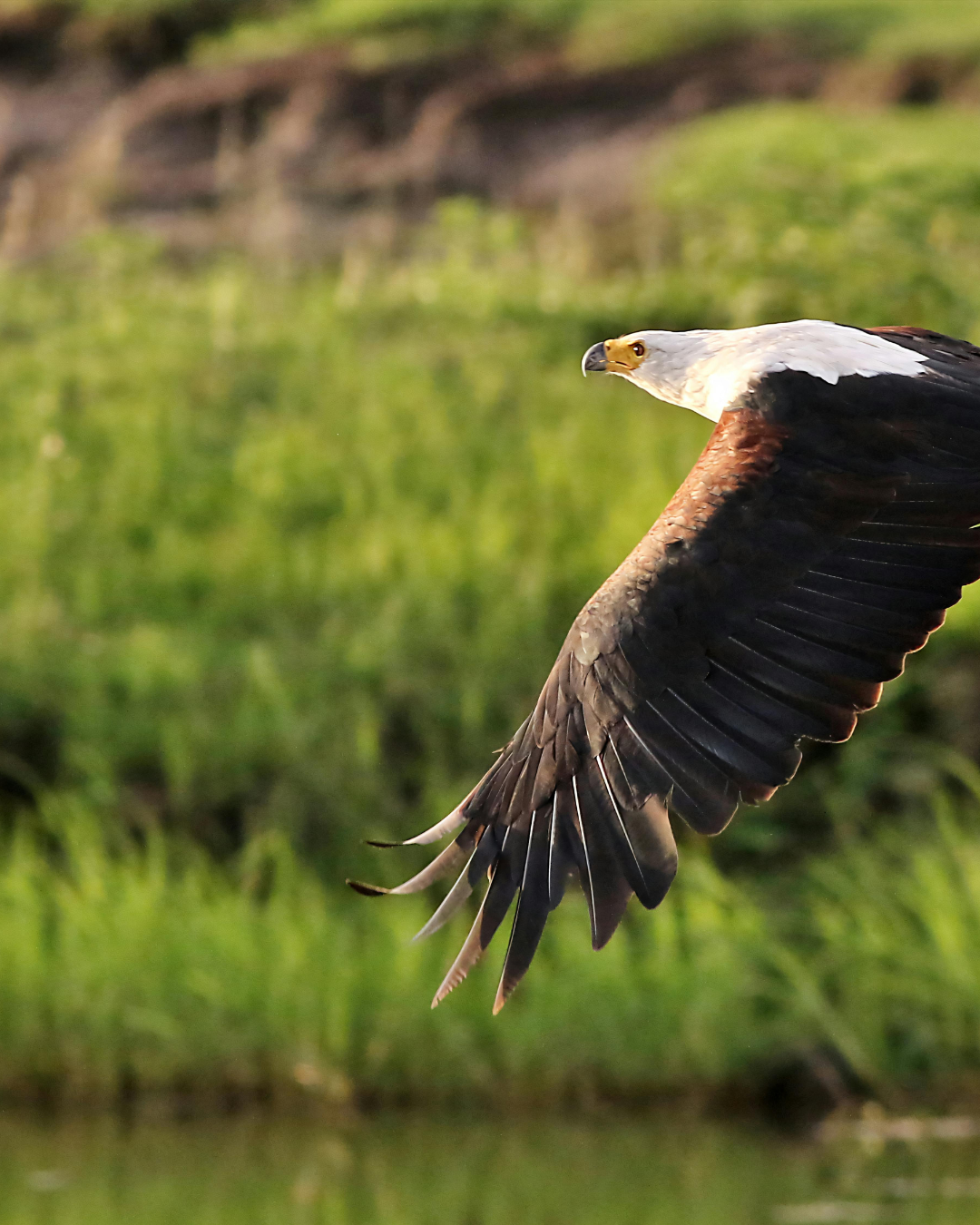
For birders, this is a dream destination. Look for wattled cranes, slaty egrets, African skimmers, African fish eagles, pygmy geese and huge numbers of herons, storks and kingfishers. The green season, from about November to April, brings migrant birds and breeding colours, although access is harder. See our Chobe River Birding Guide for more of the region's birdlife.
When to visit Nkasa Rupara
| Months | Conditions |
|---|---|
| July–October | The best time. Tracks are drier, and wildlife gathers around the remaining water. |
| May–June | Lovely and green, but water levels can still be high, so some tracks may be closed. |
| November–April | Rainy and often flooded. Large parts of the park can be inaccessible, but it's excellent for birding from the edges. |
Water levels change from year to year, so we always check the latest conditions before you go.
Self-driving Nkasa Rupara: what you need to know
- 4x4 only: a high-clearance 4x4 is essential, ideally with experience driving in sand and mud.
- Travel with another vehicle if you can, as the park is remote, with little or no phone signal.
- Ask about conditions at the park office or your lodge before driving in. Don't try flooded crossings.
- Carry supplies: water, food, fuel and a good map or GPS.
- Prefer not to drive yourself? Ask Namushasha River Lodge about current conditions and guided options before you set out.
Where to stay: Gondwana's Namushasha River Lodge
Gondwana doesn't have a lodge inside Nkasa Rupara, so we use Namushasha River Lodge on the Kwando River, about 24 km south of Kongola, as the base for exploring this corner of the Caprivi. It's the closest Gondwana property to the park. From here you can:
- Plan a full-day 4x4 excursion to Nkasa Rupara in the dry season, after checking conditions with the lodge
- Explore nearby Mudumu National Park on a self-drive
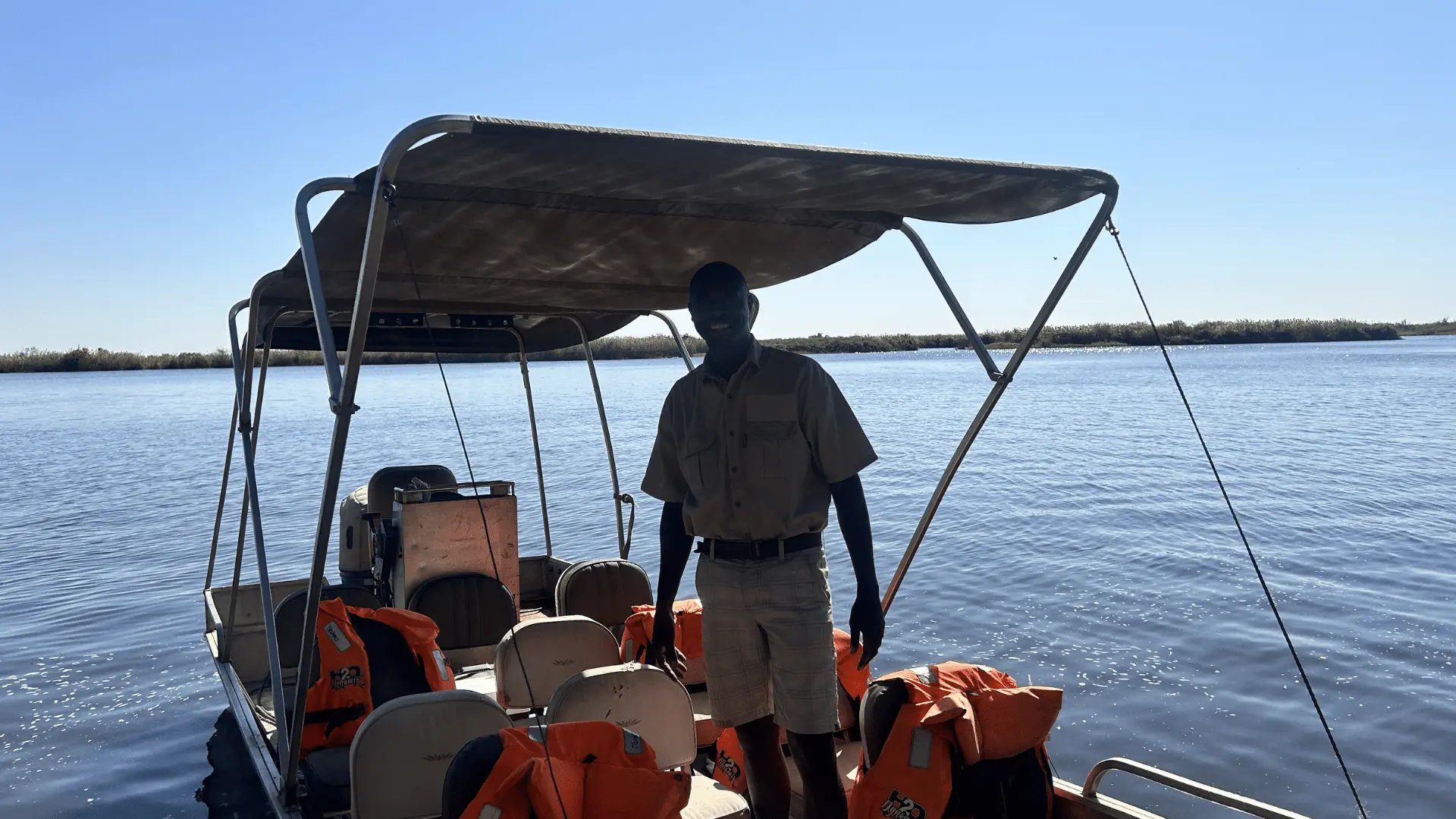
- Join a guided game drive in Bwabwata National Park and a boat cruise on the Kwando
- Visit the Namushasha Heritage Centre to learn about traditional village life
For more privacy, ask about the Namushasha River Villa. For a budget-friendly option, choose Namushasha River Camping2Go or the campsite. Afterwards, continue east to Gondwana's Zambezi Mubala Lodge on the Zambezi and Chobe River Camp on the Chobe. See our Caprivi Strip Safari Guide and our Etosha to Caprivi self-drive route.
Nkasa Rupara vs the Okavango Delta
The Okavango Delta is larger, more famous and home to many more luxury camps, with mokoro trips and fly-in access. Nkasa Rupara is smaller, wilder, far less visited and reachable by road. For an off-the-beaten-track adventure, it's hard to beat. Compare more in our Linyanti vs Savuti vs Okavango Delta and our Complete Guide to an Okavango Delta Safari.
You switch off the engine on the edge of a lagoon. Red lechwe splash through golden water, a fish eagle calls, and there isn't another vehicle in sight. Some places stay with you long after you return home.
Frequently asked questions
Where is Nkasa Rupara National Park?
Nkasa Rupara is in the southeast of Namibia's Zambezi Region, the Caprivi Strip, on the Kwando-Linyanti river system opposite Botswana.
Is Nkasa Rupara the same as Mamili National Park?
Yes. Mamili National Park was renamed Nkasa Rupara National Park in 2012.
Do I need a 4x4 for Nkasa Rupara?
Yes. A high-clearance 4x4 is essential, and some tracks may be closed when water levels are high.
When is the best time to visit Nkasa Rupara?
The dry season, roughly July to October, is best for access and wildlife. The rainy season is excellent for birding, but much of the park can be flooded.
Why is Nkasa Rupara called Namibia's mini Okavango?
It is a maze of channels, lagoons, reed beds and islands, similar to the Okavango Delta, but smaller and far less visited.
Where should I stay to visit Nkasa Rupara?
Gondwana's Namushasha River Lodge on the Kwando River is the closest Gondwana base. Plan a full-day 4x4 excursion in the dry season, and check conditions with the lodge first.
Explore Namibia's wildest wetland
We'll check water levels, plan your route and book your stay at Namushasha River Lodge and Gondwana's other Caprivi lodges.
Namibia Self-Drive Safaris Namibia Safari Tours WhatsApp Us