Kenya • Amboseli
Amboseli National Park: Elephants Beneath Kilimanjaro
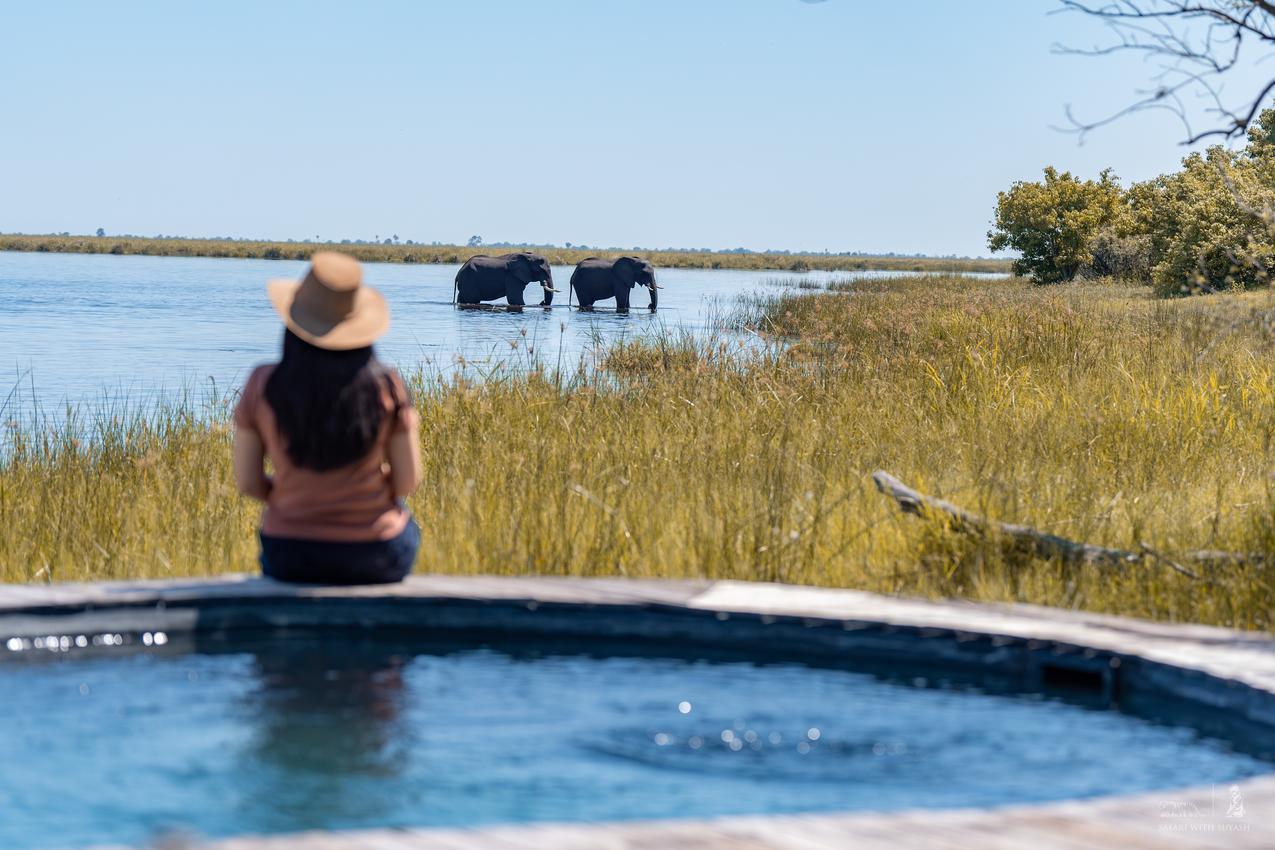
There is one view that sums up a Kenya safari for many people: a line of elephants walking across a dusty plain, with the snow-capped summit of Kilimanjaro rising behind them. That view belongs to Amboseli National Park. Small compared with the Masai Mara but unforgettable, Amboseli is one of the best places in Africa to watch elephants up close. This guide covers what to expect, when to go, how to get there and how to fit Amboseli into your Kenya trip.
Amboseli at a glance
- Where: southern Kenya, near the border with Tanzania
- Size: about 392 km², at the heart of a much larger ecosystem shared with Maasai communities
- Famous for: large elephant herds and views of Mount Kilimanjaro
- From Nairobi: about 4 to 5 hours by road, or a short scheduled flight
- Ideal stay: 2 to 3 nights
- Best time: the dry seasons, roughly June to October and January to February
Why visit Amboseli?
Amboseli's magic comes from a simple fact: in a dry landscape, it has water. Rain and snowmelt from Kilimanjaro sink into the mountain and resurface as springs in the park, feeding green swamps in the middle of the dust. Animals come from far around to drink and feed, and the elephants spend hours wading in the marshes, sometimes almost completely submerged.
The park was first set aside as a Maasai reserve in 1906, and it was named a UNESCO biosphere reserve in 1991. Today the Maasai still graze their cattle in the wider ecosystem around the park, and community conservancies on the boundaries help protect the routes the elephants use.
The elephants of Amboseli
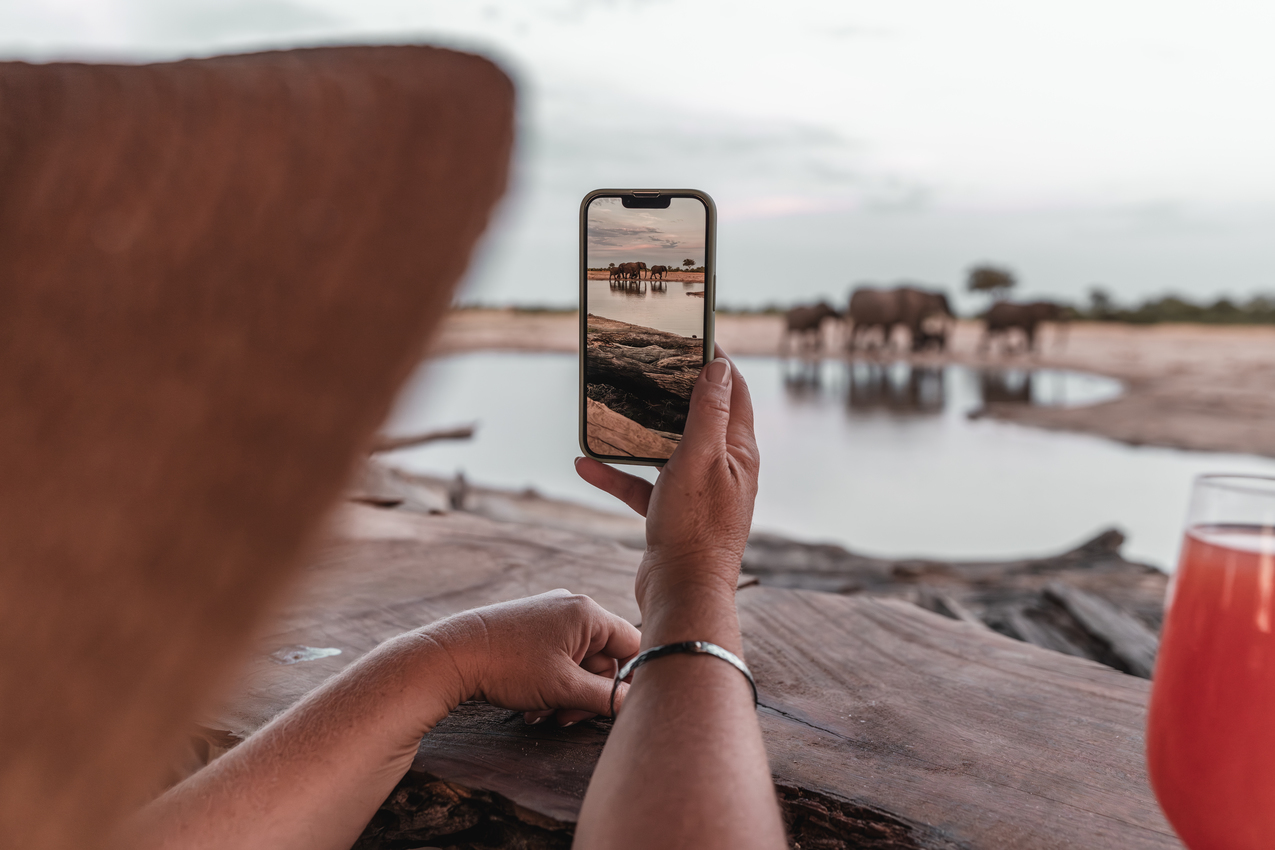
Amboseli's elephants are probably the most studied in the world. Researcher Cynthia Moss began following the park's elephant families in 1972, and the work has continued ever since. Because the herds have lived with quiet observation for decades, they are relaxed and often walk right past vehicles. Amboseli is also known for its big-tusked bulls, sometimes called “tuskers”, which are increasingly rare in Africa.
Watching an elephant family here is a lesson in how they live: the matriarch leading the way, young calves sheltering under their mothers, teenagers play-fighting, and the whole group gathering at the swamp in the heat of the day.
Other wildlife and birds
Elephants are the stars, but they are not alone. Expect to see Cape buffalo, Maasai giraffe, plains zebra, wildebeest, Thomson's and Grant's gazelles, hippos in the swamps, and predators including lions, cheetahs and spotted hyenas. Birdlife is rich, with around 400 species recorded, from pelicans and flamingos on seasonal waters to many birds of prey.
Seeing Kilimanjaro
Mount Kilimanjaro, Africa's highest mountain at 5,895 metres, stands just across the border in Tanzania. From Amboseli, the view of its snow-capped summit is spectacular, but it is often hidden by cloud. Your best chance is early in the morning and late in the afternoon, when the cloud tends to lift. Clear days are more common in the dry seasons.
- Be up at sunrise for the clearest view and the soft light photographers love.
- Climb Observation Hill, a small hill in the park with wide views over the swamps and plains.
- Stay at least two nights to give yourself more chances of a clear sky.

A day on safari in Amboseli
Days in Amboseli follow the rhythm of the animals. You head out at first light, when the air is cool, predators are still active and Kilimanjaro is most likely to be clear. By mid-morning, elephant families start walking in from the surrounding plains towards the swamps, and this is the time to find a spot near the water and watch them arrive.
The middle of the day is hot and bright, so most guests return to camp for lunch and a rest. In the late afternoon, the light softens, the elephants start leaving the swamps in long lines, and the dust they kick up glows gold in the sun. If you're staying in a private conservancy, the day can end with a guided walk or a night drive to look for animals that only come out after dark.
Because the park is fairly small and flat, game drives here involve less driving than in bigger parks and more time simply watching, which suits photographers and families with younger children.
Best time to visit Amboseli
| Months | Season | What to expect |
|---|---|---|
| June–October | Long dry season | Excellent game viewing, animals at the swamps, clearer mountain views; busiest time |
| November–December | Short rains | Showers, green scenery and fewer visitors |
| January–February | Short dry season | Warm, good wildlife and often clear views of Kilimanjaro |
| March–May | Long rains | The wettest period; some roads become muddy and some camps close |
For the rest of Kenya, see our guide to the best time to visit Kenya.
How to get to Amboseli
- By road: about 4 to 5 hours from Nairobi, usually with a stop for lunch or at a craft market. Most road safaris include Amboseli as the first or last park.
- By air: short scheduled flights from Nairobi's Wilson Airport land at airstrips in and around the park, saving most of a day.
Arriving a day early? Our guide to things to do in Nairobi before your safari has ideas for your first day.
Where to stay in and around Amboseli
Inside the park
Lodges in the park
Staying inside the park, close to the swamps, means you are among the elephants from the moment you leave your room. Ol Tukai Lodge and other lodges inside the park are popular choices.
Privacy and views
Private conservancies
Camps in the conservancies on the edge of the park, such as Tortilis Camp and Tawi Lodge, offer quieter game drives, walking safaris and night drives that are not allowed inside the national park.
Culture
Maasai community visits
Many camps can arrange a visit to a nearby Maasai village, where you learn about traditional life and how communities and wildlife share the land.
How to fit Amboseli into your Kenya safari
Amboseli works beautifully in combination with other parks. Popular routes include:
- Classic Kenya (7 to 9 days): Nairobi, Amboseli, Lake Nakuru and the Masai Mara.
- Safari and beach (10 to 12 days): Amboseli and the Mara, then the Indian Ocean coast. See our Kenya safari and beach holiday guide.
- Kenya and Tanzania (12 to 14 days): Amboseli and the Mara, then across the border to the Serengeti and Ngorongoro. Read Kenya vs Tanzania safari to compare.
For the Mara, our Masai Mara conservancies vs national reserve guide helps you choose where to stay.
Amboseli safari tips
- Bring a dust cover for your camera; the plains are dusty, especially in the dry season.
- Pack a warm layer: mornings can be cool, even in a hot season.
- Use binoculars to scan the swamps, where elephants and hippos hide in the reeds.
- Check park fees before you travel, as Kenya Wildlife Service fees are paid per person per day.
- Ask a travel clinic about malaria and recommended vaccinations for Kenya.
The sun is barely up, the cloud slides off Kilimanjaro's summit, and a family of elephants walks slowly across the plain in front of it. You forget to take the photo for a moment, because some things you just want to watch.
Frequently asked questions
What is Amboseli National Park famous for?
Amboseli is famous for its large, relaxed elephant herds, including big-tusked bulls, and for views of Mount Kilimanjaro rising behind the plains.
Can you see Kilimanjaro from Amboseli?
Yes, when the sky is clear. The mountain is often covered by cloud, so the best chances are early in the morning and late in the afternoon, especially in the dry seasons.
How far is Amboseli from Nairobi?
Amboseli is about 4 to 5 hours from Nairobi by road. Short scheduled flights from Wilson Airport are a faster option.
When is the best time to visit Amboseli?
The dry seasons, from about June to October and January to February, are best for game viewing and clearer views of Kilimanjaro.
How many days do you need in Amboseli?
Two to three nights is ideal, giving you several game drives and more chances to see Kilimanjaro without cloud.
Plan your Amboseli safari
We'll design a Kenya safari around Amboseli's elephants, from a short add-on to a full Kenya and Tanzania journey.
View Kenya Safaris East Africa Safaris Request a Quote WhatsApp Us