
Kenya • Masai Mara • Great Migration
Masai Mara Great Migration: When & Where to See the River Crossings
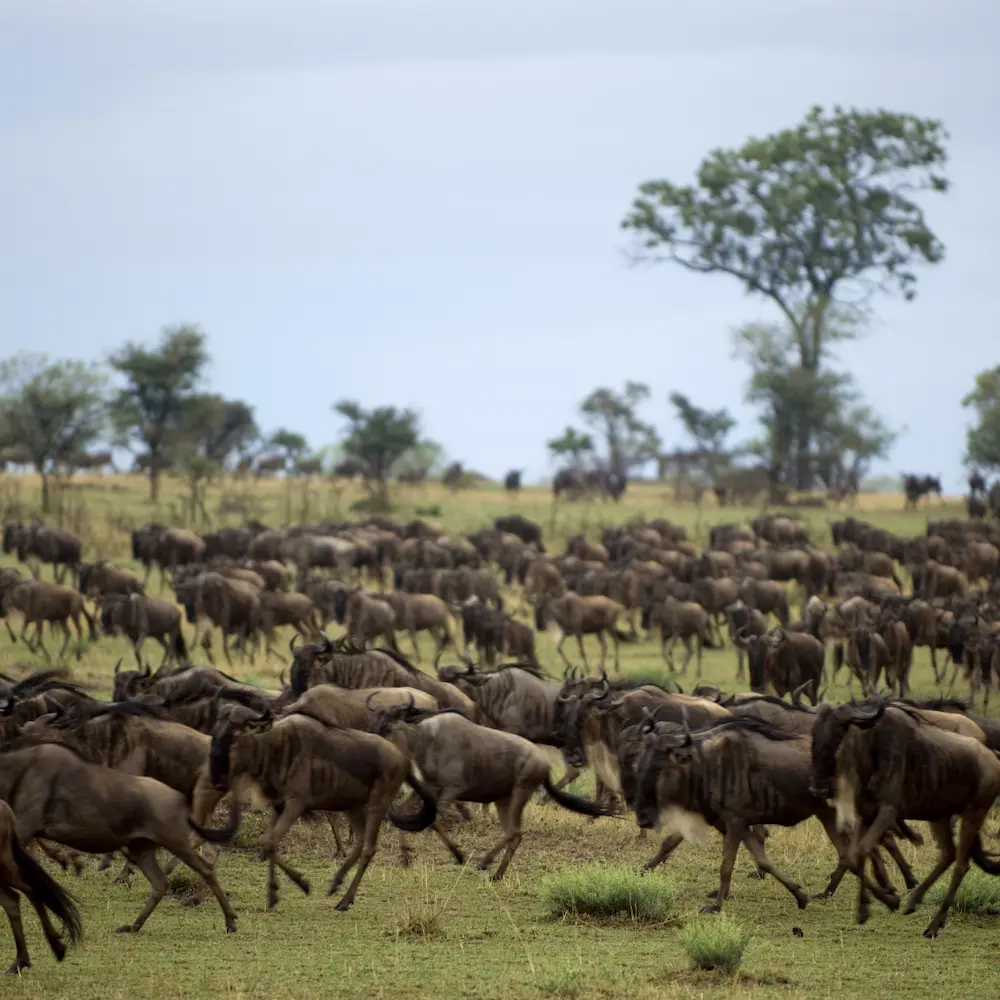
The Masai Mara Great Migration is one of the greatest wildlife spectacles on Earth. Each year, roughly a million or more wildebeest, along with zebra and gazelle, move in a vast loop between Tanzania's Serengeti and Kenya's Masai Mara. The herds usually reach the Mara from around July to October, when the famous Mara River crossings can take place.
Migration at a glance
- Herds in the Mara: usually about July to October
- River crossings: often August and September, but unpredictable
- Where: the Mara River and Talek River areas
- Also see: lions, cheetahs, leopards and crocodiles
- Ideal stay: 3 to 4 nights in the Mara
What is the Great Migration?
The Great Migration is a year-round, circular journey driven by rain and fresh grazing. The herds spend the early part of the year in the southern Serengeti, where they give birth, then move north and west as the grass dries. By mid-year, they head towards Kenya's Masai Mara, before returning south to Tanzania with the short rains. For the Tanzania side of the story, see our Serengeti migration guide.
When is the Great Migration in the Masai Mara?
| Months | What usually happens |
|---|---|
| July | The first herds typically arrive from the Serengeti. |
| August–September | Peak migration season, with the best chance of river crossings. |
| October | Herds begin moving back south, though many remain in the Mara. |
| November–June | Most herds are in Tanzania, but the Mara still has excellent resident wildlife. |
Remember: the migration follows the rain, not the calendar. Timing shifts from year to year, and crossings can't be guaranteed. Staying three or four nights gives you the best chance.
The Mara River crossings
The crossings are the dramatic heart of the migration. Herds gather on the riverbank, sometimes for hours, before the first animal plunges in and thousands follow. Crocodiles wait in the water and predators watch from the banks. It is raw, emotional and unforgettable, and patience is key. Your guide will position you safely and respectfully, away from the crowds where possible.
Reserve or private conservancy?
The Masai Mara National Reserve has the main river crossing points, but it can be busy in peak season. The private conservancies next to the reserve limit the number of vehicles and offer night drives, walking safaris and off-road driving. Many travellers stay in a conservancy for exclusivity and take day trips into the reserve for the crossings.
Big cats of the Mara
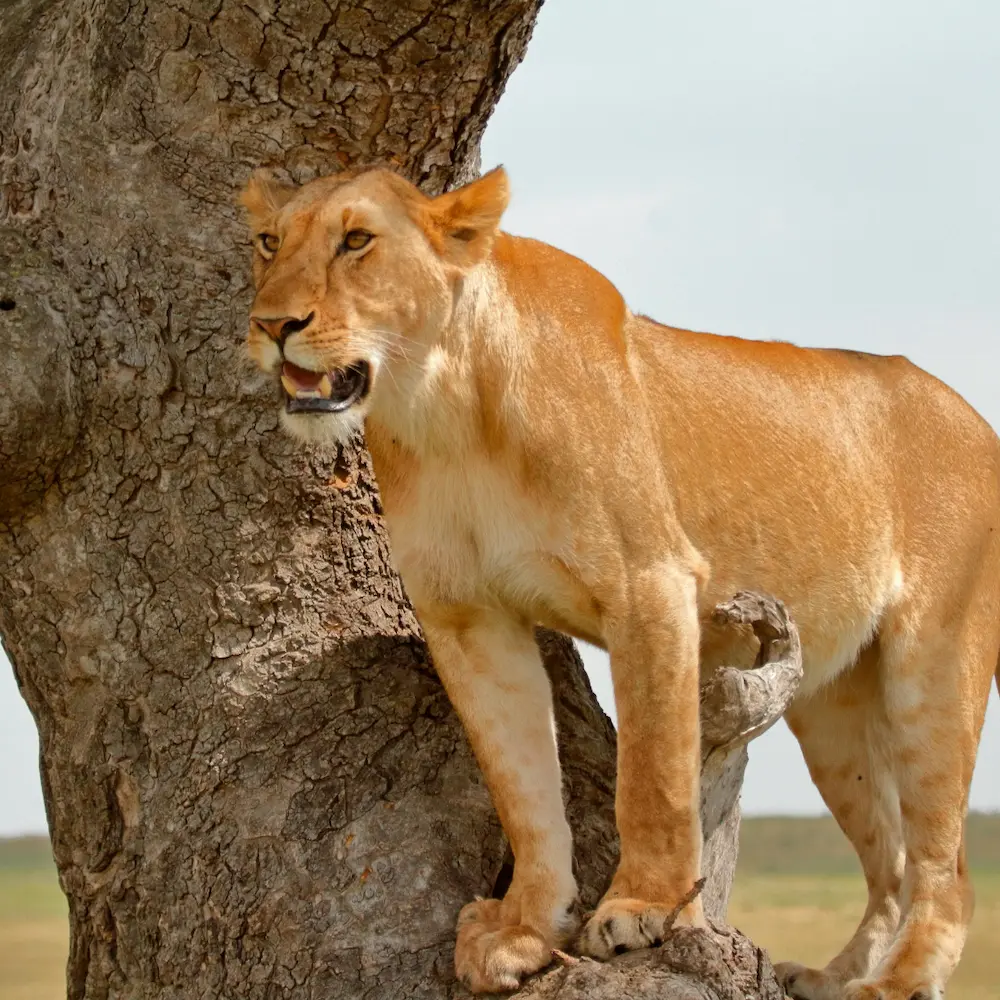
The Mara is famous for its predators, and the migration brings plenty of action. Lion prides, cheetahs hunting on the open plains and leopards in the riverine forest are all regularly seen. The resident wildlife is excellent all year, so even outside migration season, the Mara is a superb safari destination.
A hot-air balloon safari
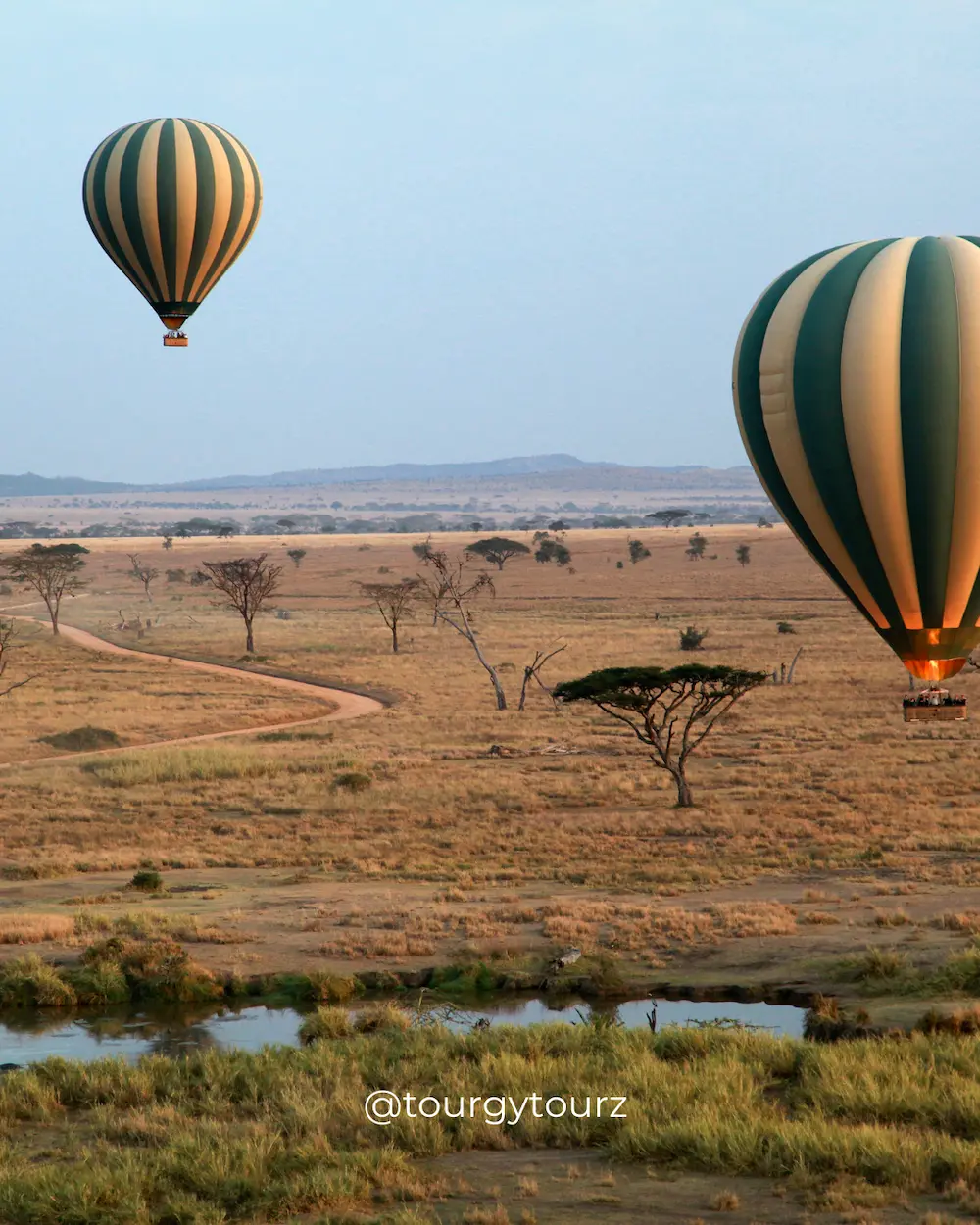
Floating over the plains at sunrise, watching herds and the river below, is one of the Mara's most magical experiences. Balloon flights usually end with a champagne bush breakfast. It is a highlight for honeymooners and photographers alike.
The riverbank falls silent. A single wildebeest steps forward, then another, and suddenly the water is alive. In that moment, you are watching one of Earth's oldest stories unfold.
How to plan your migration safari
- Book early: camps in the best areas fill quickly for July to October.
- Stay three or four nights to give yourself the best chance of a crossing.
- Choose your location carefully: camps near the river put you closer to the action.
- Combine parks: add Amboseli or Samburu for variety. See our Kenya Safari Guide.
- Consider the timing: read our guide to the best time to visit Kenya.
Frequently asked questions
When is the Great Migration in the Masai Mara?
The herds are usually in the Masai Mara from about July to October, with August and September often the best months for river crossings. Timing varies each year with the rains.
Are river crossings guaranteed?
No. Crossings depend on the herds, weather and grazing, so they can't be guaranteed. Staying three or four nights gives you the best chance.
Is it better to stay in the reserve or a conservancy?
The reserve has the main crossing points, while private conservancies offer fewer vehicles, night drives and walks. Many travellers stay in a conservancy and visit the reserve on day trips.
What else can you see in the Masai Mara?
The Mara is famous for lions, cheetahs and leopards, along with elephants, buffalo, giraffe, hippos and rich birdlife, all year round.
Plan your migration safari
Tell us your preferred dates, and we'll recommend the best camps and areas for the migration that year.
Explore Kenya Safaris Serengeti Migration WhatsApp Us