
Zimbabwe • Mana Pools
Mana Pools National Park: Zimbabwe's Wild Zambezi
Ask Africa's safari guides to name their favourite park, and many will say Mana Pools. On the banks of the Zambezi in northern Zimbabwe, this UNESCO World Heritage Site is a place of golden light, giant trees and elephants that stand on their hind legs to feed. It's one of the few parks in Africa where you can walk and canoe among big game. It's raw, wild and unforgettable.
Mana Pools at a glance
- Where: northern Zimbabwe, on the Zambezi River, opposite Zambia's Lower Zambezi National Park
- Famous for: walking and canoe safaris, elephants, wild dogs and lions
- Status: a UNESCO World Heritage Site
- Best time: the dry season, roughly June to October
- Getting there: a light-aircraft charter, or a long drive from Harare
- Ideal stay: 3 to 5 nights
Why is it called Mana Pools?
"Mana" means "four" in the Shona language, after the four large permanent pools left behind as the Zambezi changed its course over thousands of years. The pools, floodplains and forests of ana trees and mahoganies draw huge numbers of animals in the dry season.
What makes Mana Pools so special?
An iconic sight
Elephants on their hind legs
Late in the dry season, some Mana Pools bull elephants rise up on their hind legs to reach the seed pods of the tall ana trees. Seeing a giant elephant balancing on two legs is one of Africa's most extraordinary wildlife moments.
Rare predators
Painted wolves (wild dogs)
Mana Pools is one of Africa's best places to see African wild dogs, also called painted wolves, especially when they den in the middle of the dry season.
On foot and by water
Walking and canoeing
Mana Pools is famous for walking safaris with Zimbabwe's highly trained professional guides, and for canoeing the Zambezi past elephants and hippos. Read our Mana Pools walking safari guide and our canoe safari guide.

Wildlife in Mana Pools
- Elephants: including the famous bulls that stand on their hind legs
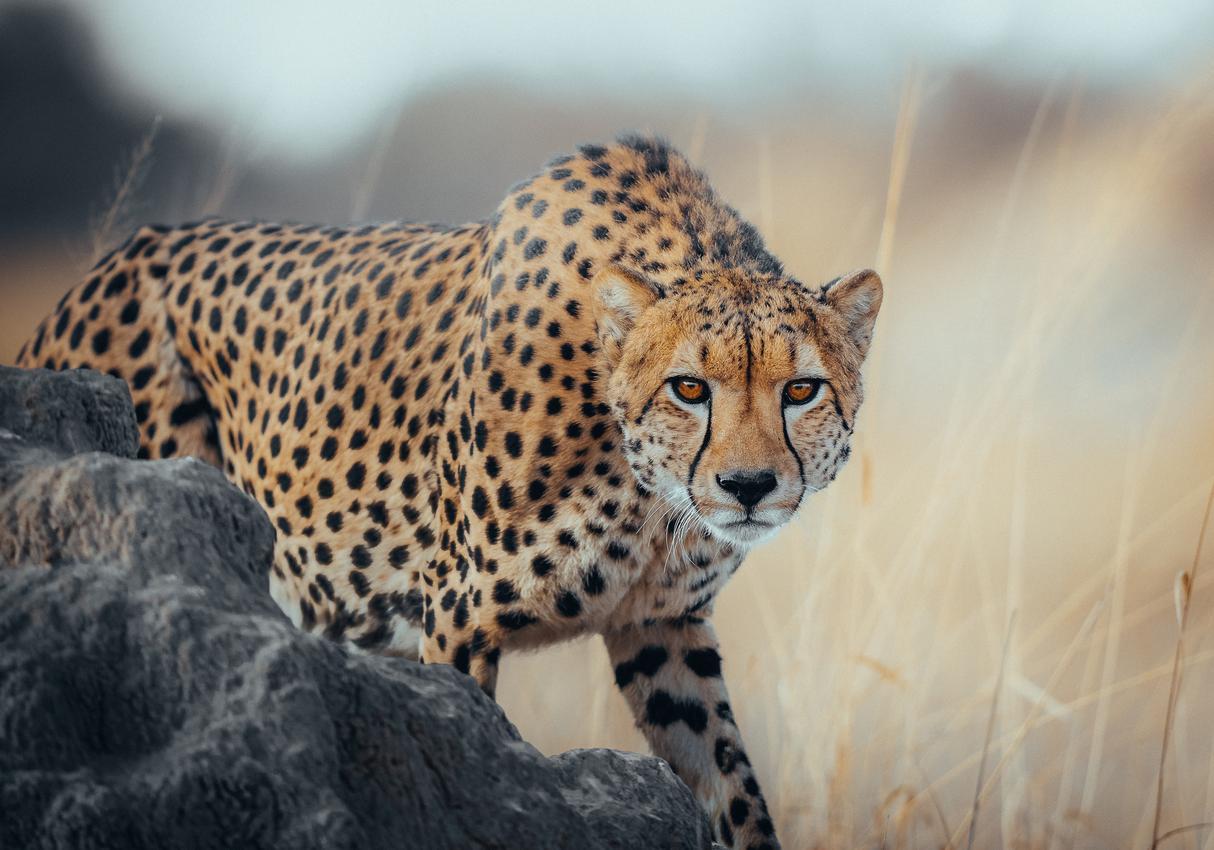
- Predators: lions, leopards, wild dogs, spotted hyenas and cheetahs (rare)
- Herds: buffalo, zebras, eland, kudu, waterbuck and impala
- River life: hippos, Nile crocodiles and superb birdlife, including carmine bee-eaters
Best time to visit Mana Pools
| Months | What to expect |
|---|---|
| April–May | Camps reopen; green and beautiful, with fewer visitors |
| June–August | Cool and dry. Excellent walking weather, and wild dogs often denning |
| September–October | Hot, with peak game viewing on the floodplains and elephants reaching for ana pods |
| November–March | The rains. Many camps close, and roads can become impassable |
How to get to Mana Pools
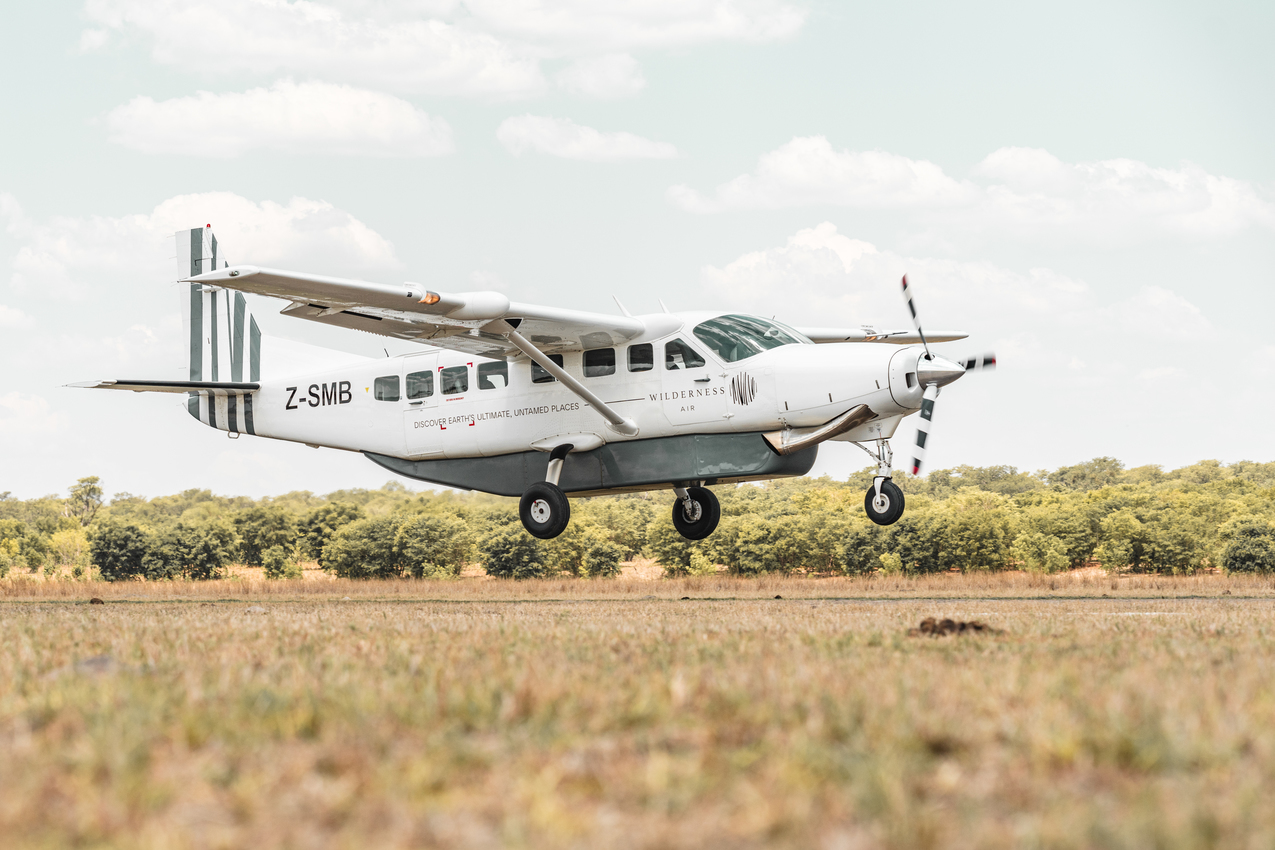
By air: light-aircraft charters fly to airstrips in and near the park, from Harare, Kariba or Victoria Falls. This is the easiest option and is often combined with Hwange and Victoria Falls.
By road: drive from Harare via Makuti to Marongora, where you collect park permits. The final stretch is gravel and can take several hours, so a 4x4 is essential.
Where to stay in Mana Pools
Choose between small riverfront camps facing the Zambezi, camps in private concessions on the park's edge, such as Wilderness's Ruckomechi, and seasonal walking camps inland. Mana Pools also has national park campsites for self-sufficient travellers. We'll help you choose the right camp for your interests and budget.
Combine Mana Pools with…
- Hwange National Park: big herds and classic game drives. See our Hwange National Park Safari Guide.
- Victoria Falls: the perfect start or finish. See things to do in Victoria Falls.
- Lake Kariba: houseboats, fishing and sunsets.
The light turns gold beneath the ana trees, a bull elephant rises slowly onto his hind legs and the Zambezi glitters behind him. In Mana Pools, Africa still feels like the first day of creation.
Frequently asked questions
Where is Mana Pools National Park?
Mana Pools is in northern Zimbabwe, on the southern bank of the Zambezi River, opposite Zambia's Lower Zambezi National Park.
What is Mana Pools famous for?
Mana Pools is famous for walking and canoe safaris, elephants that stand on their hind legs to feed, wild dogs, lions and its beautiful Zambezi floodplains.
When is the best time to visit Mana Pools?
The dry season, roughly June to October, is best. Many camps close during the rains from about November to March.
How do you get to Mana Pools?
The easiest way is a light-aircraft charter from Harare, Kariba or Victoria Falls. You can also drive from Harare, but the last section is gravel and needs a 4x4.
Why do elephants stand on their hind legs in Mana Pools?
Some bull elephants stand on their hind legs to reach the seed pods and leaves of the tall ana trees, especially late in the dry season.
Plan your Mana Pools safari
We'll choose the right camp, flights and activities, and combine Mana Pools with Hwange and Victoria Falls.
Victoria Falls Tours Hwange Safaris WhatsApp Us