Most travellers to Victoria Falls look across the border to Botswana for their safari. Fewer realise that one of Africa’s finest elephant parks lies a short flight south of the Falls, in Zimbabwe itself. Hwange is big, wild and wonderfully uncrowded, and its private concessions offer a safari to rival anywhere in the region.
This guide covers where Hwange is, its story, the wildlife, how to explore it, the best camps, when to go and how to get there. For camps, journeys and 2026 prices in one place, see our Hwange safaris page.
Where Is Hwange National Park?
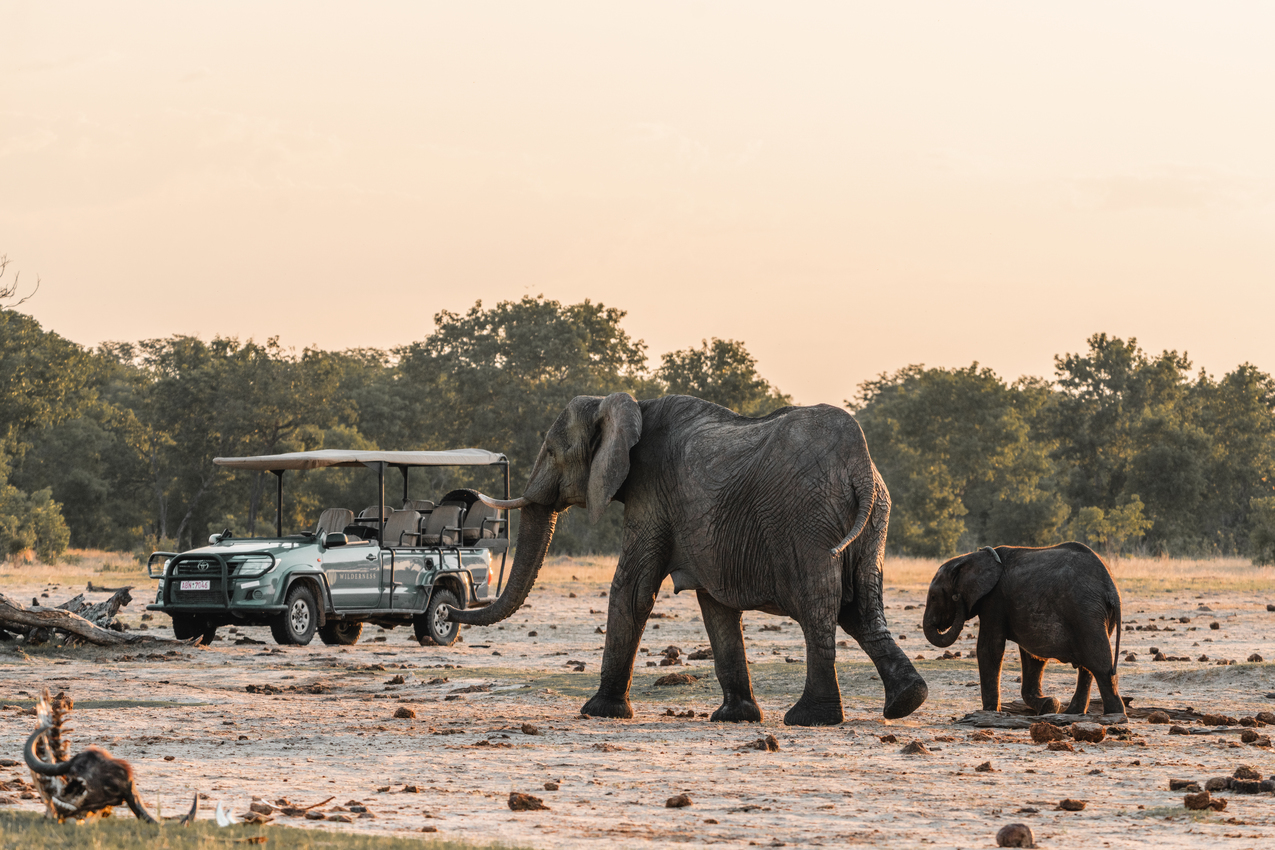
Hwange lies in western Zimbabwe, between Victoria Falls and Bulawayo, with its western edge on the Botswana border. At around 14,651 square kilometres it is the country’s largest national park, larger than many small countries.
Unlike the Okavango Delta or Chobe, Hwange has no great river. Its landscape is Kalahari sand covered with teak and mopane woodland, broken by open grassland and shallow pans. That lack of permanent water shapes everything about the park, and is the key to its wildlife spectacle.
A Short History: Water in a Dry Land
Hwange began life in 1928 as the Wankie Game Reserve, with Ted Davison as its first warden. Davison saw that wildlife struggled to survive the dry season in a land without rivers, and began pumping water from underground into the natural pans. The park became a national park in 1961.
Today pumped waterholes are still a lifeline. As the bush dries each year, they draw elephants, buffalo and antelope in from across the park, and predators follow. Wilderness’s Davison’s camp is named in his honour.
Hwange Wildlife
Hwange is home to more than 100 mammal species and over 400 bird species.
Elephants
Hwange is famous for one of the largest elephant populations in Africa. In the dry season, family herds and huge bulls queue at the waterholes to drink, bathe and dust, often within metres of a hide or camp deck.
Lion, leopard and cheetah
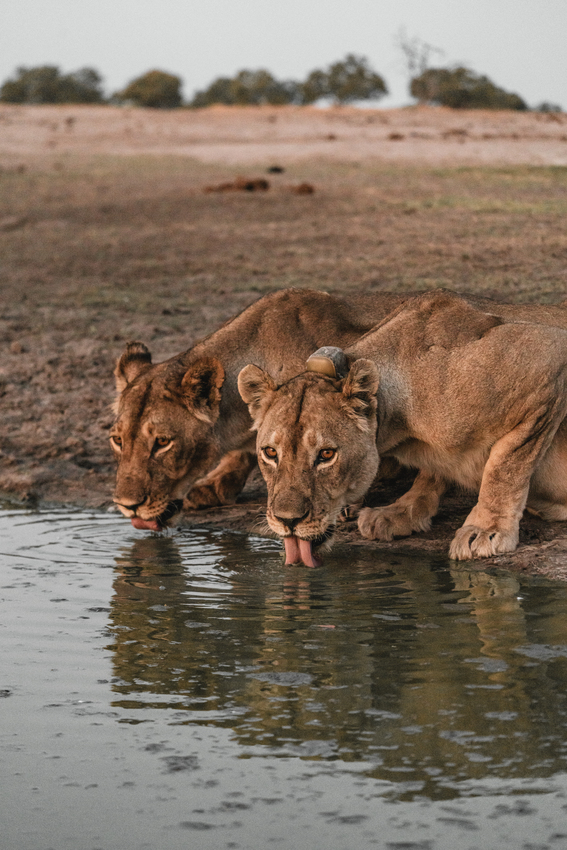
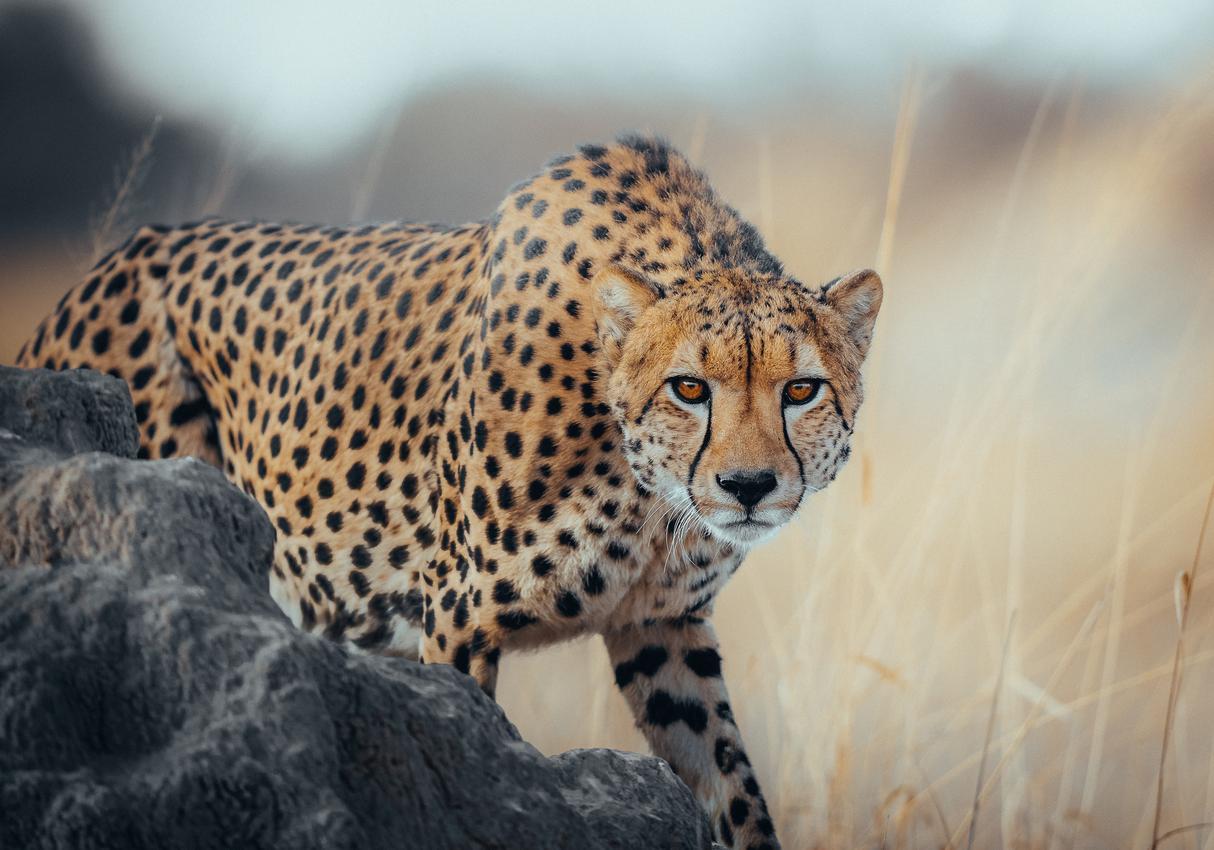
Lion prides hunt buffalo and plains game on the open grassland, while leopard prefer the thick teak woodland. Cheetah hunt on the plains when conditions allow.
Painted dogs
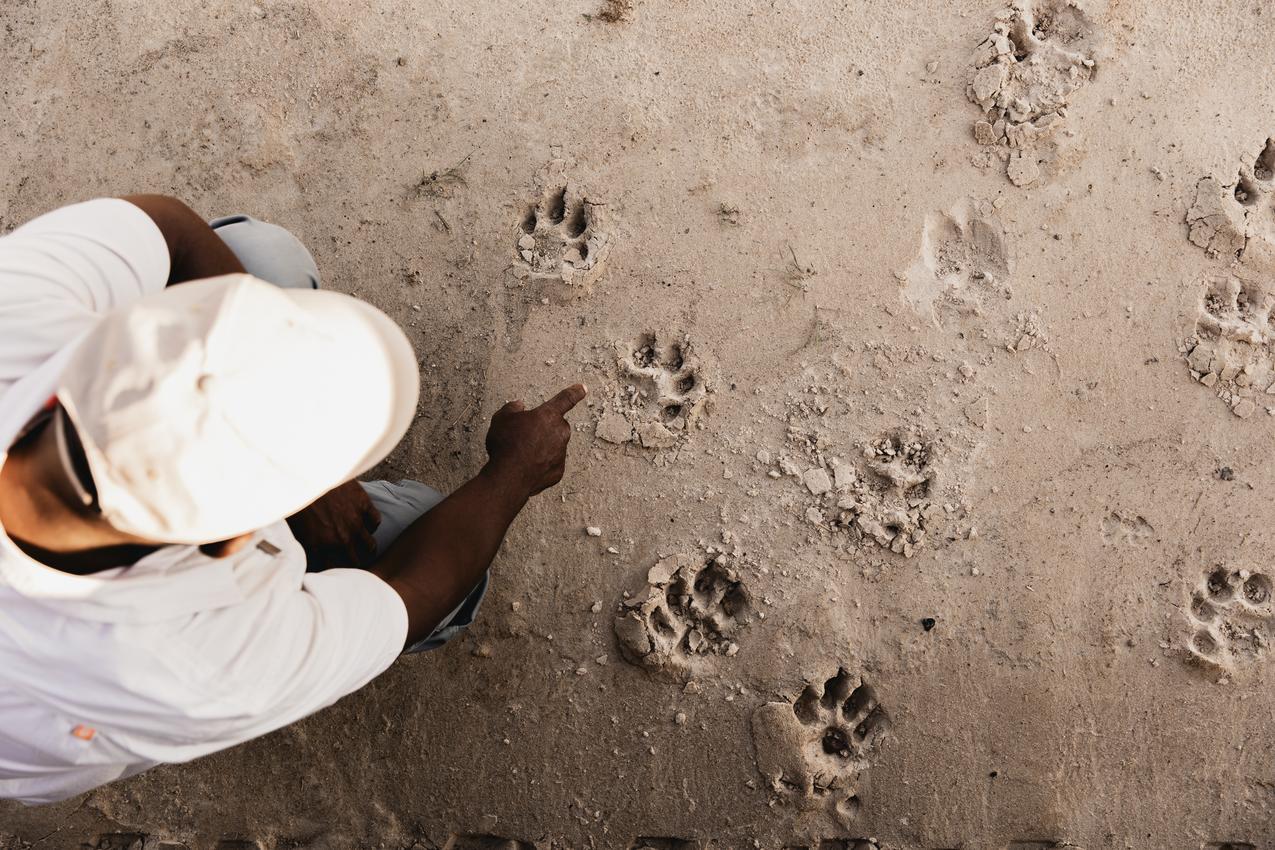
The endangered painted (African wild) dog ranges through Hwange, and the area is home to long-running painted dog conservation work. A sighting of a pack on the move is a highlight of any safari.
Sable, roan and plains game
Hwange is one of the best places in southern Africa to see sable and roan antelope. You will also find big buffalo herds, zebra, wildebeest, giraffe, kudu, eland and waterbuck.
Birds
With over 400 species recorded, Hwange is excellent for birding, especially from November to April when migrant species arrive.
Why Stay in the Linkwasha Concession
Hwange is vast, and where you stay shapes the experience. The Linkwasha Concession in the south-east is a private area used by a handful of Wilderness camps. It borders the Ngamo Plains, some of the park’s best grassland, and has pans with permanent water.
- Few vehicles: only guests of Linkwasha, Little Makalolo and Davison’s explore it.
- More activities: walks and evening spotlight drives as well as day drives.
- Expert guides: Zimbabwe’s guides are among the most highly trained in Africa.
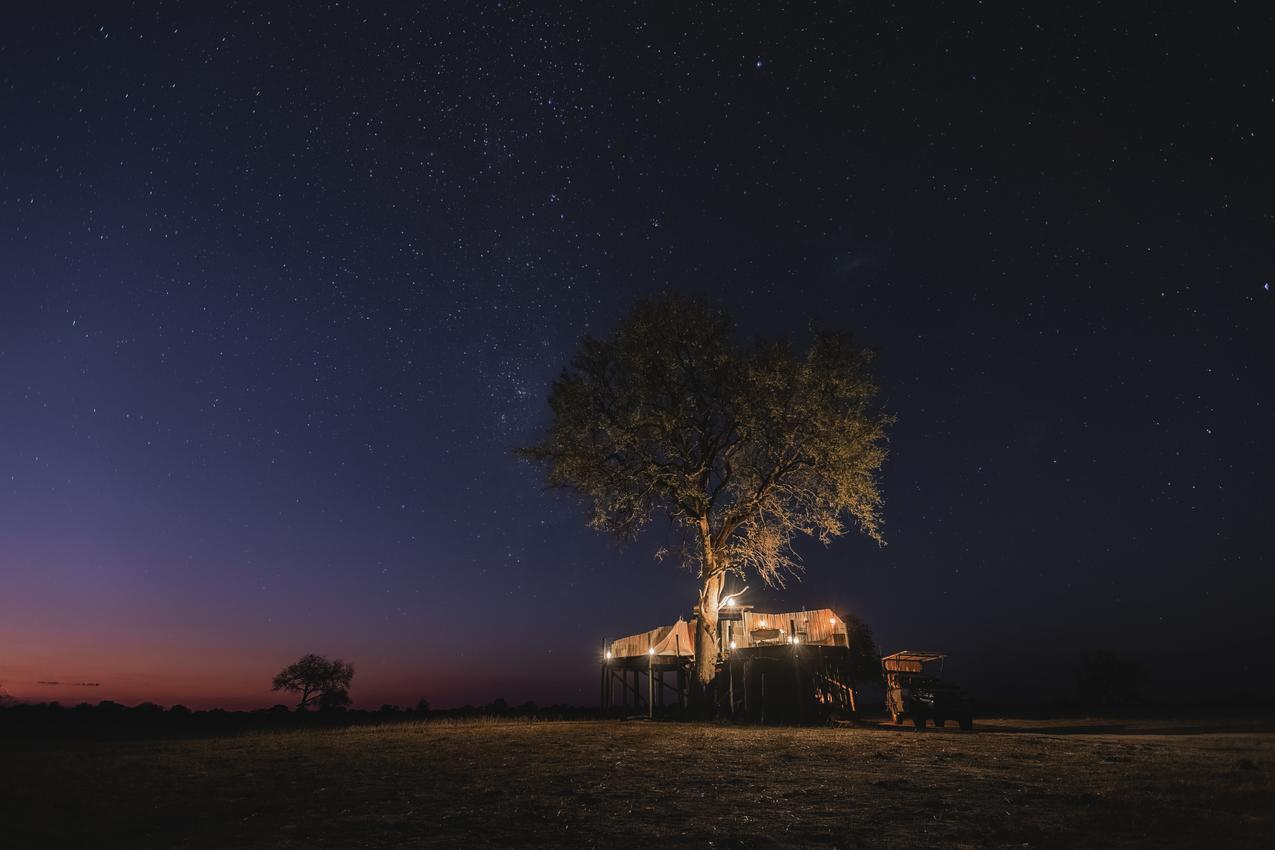
- Hides and star beds: ground-level hides at the waterholes and raised sleep-out platforms.
How to Explore Hwange
| Activity | What to expect | Tip |
|---|---|---|
| Game drives | Morning and afternoon in open vehicles | Bring a warm layer for winter mornings (June–August) |
| Spotlight drives | The drive back after sundowners, looking for nocturnal animals | Watch for genets, porcupines, hyena and hunting lions |
| Guided walks | On foot with a professional guide | Wear neutral colours and comfortable closed shoes |
| Hides | Ground-level views of elephants drinking | Midday in the dry season is often busiest at the water |
| Star beds | A night on a raised platform above a waterhole | Optional and limited, so request it when booking |
Where to Stay: Wilderness Camps in Hwange
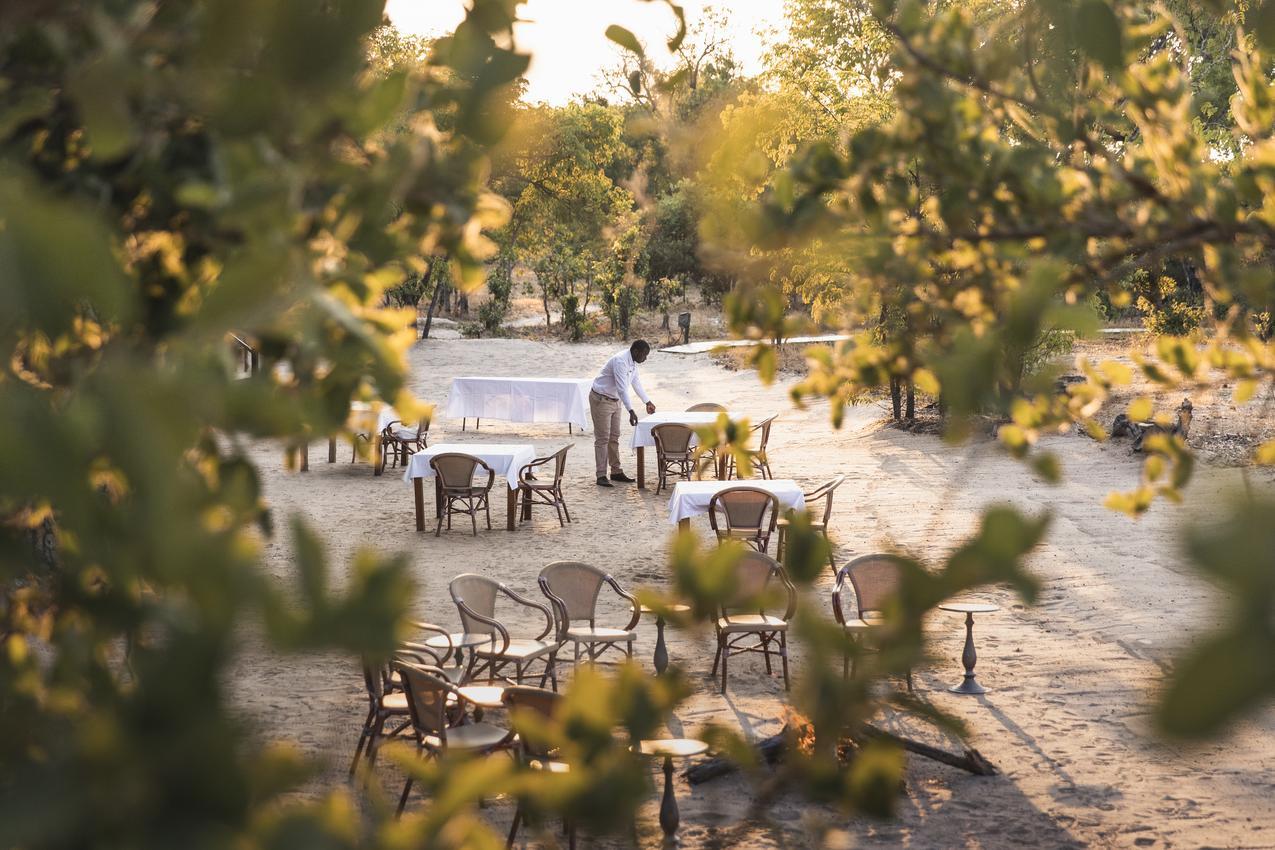
All three camps are in the Linkwasha Concession and fully inclusive of meals, scheduled activities, park fees, laundry and local drinks. 2026 rates per person per night sharing:
| Camp | Style | Highlights | Jan–Feb from | Jun–Oct from |
|---|---|---|---|---|
| Wilderness Linkwasha | Flagship | Eight tents on the Ngamo Plains, plunge pool, sunken hide, Scott’s Pan Star Bed | US$803 | US$1,820 |
| Wilderness Little Makalolo | Intimate | Six tents facing a busy waterhole, log-pile hide, Madison Pan Star Bed | US$715 | US$1,432 |
| Wilderness Davison’s | Classic tented | Nine tents and a family tent, waterhole and pool, excellent value | US$586 | US$1,012 |
A single supplement of about 30% applies. Compare full seasonal rates on our Hwange safaris page.
When to Visit Hwange
| Months | Weather | Wildlife | Best for |
|---|---|---|---|
| Jan – Mar | Warm, green, afternoon storms | Newborns; herds spread out; migrant birds | Value, photography, birding |
| Apr – May | Rains ending, pleasant | Wildlife returns to the pans | Quiet camps, shoulder rates |
| Jun – Aug | Cool, dry, sunny | Concentrations build at the waterholes | Comfortable days, excellent viewing |
| Sep – Oct | Hot and very dry | Peak elephant gatherings and predator action | The classic Hwange spectacle |
| Nov – Dec | First rains | Herds disperse; the bush turns green | Lower rates (except festive season) |
Planning to see Victoria Falls too? Read our guide to combining Victoria Falls and Hwange and the best time to visit Victoria Falls.
Getting There: Why We Fly
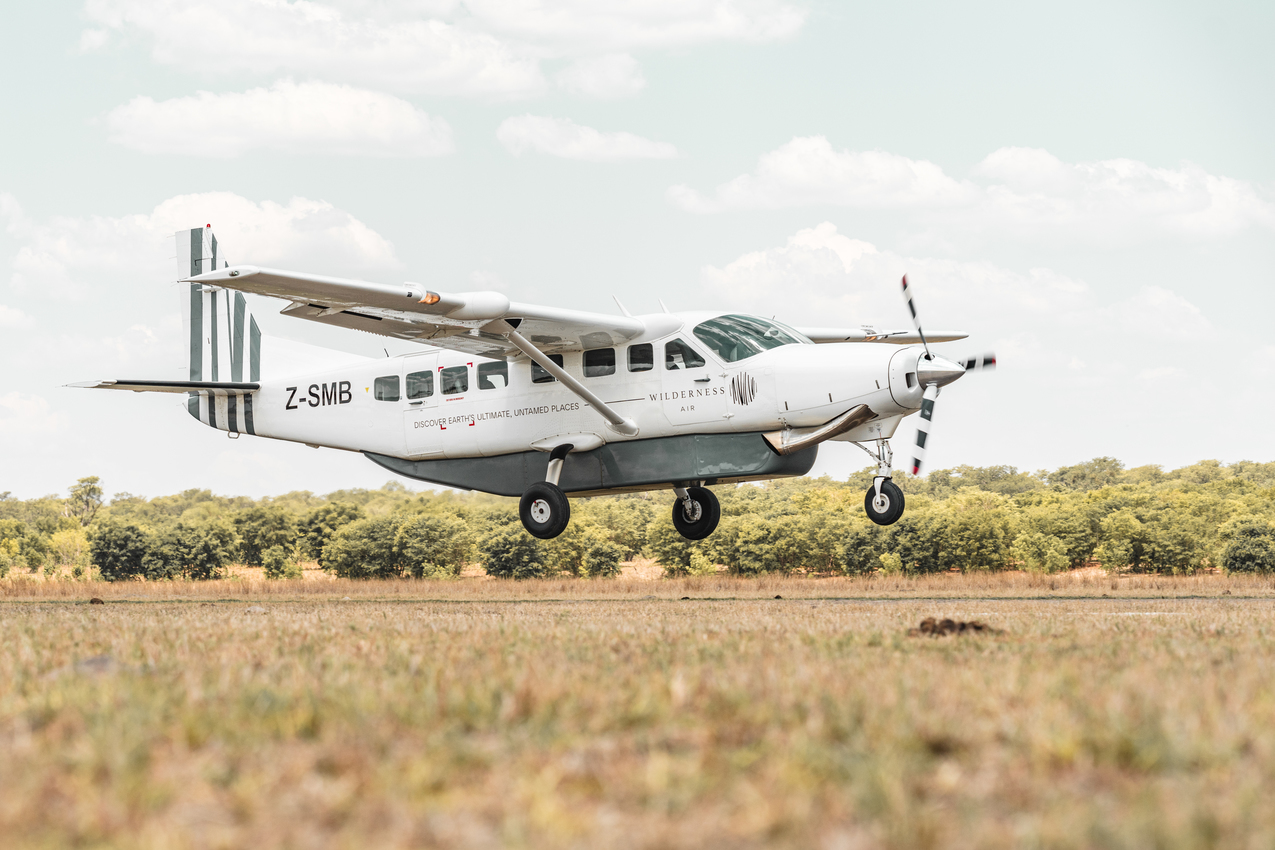
We fly our guests to Hwange. Mack Air’s light aircraft leave from Victoria Falls International Airport and land at the Linkwasha airstrip in under an hour, where your guide meets you. The flight saves a long, tiring road journey on sand and gravel, gives you a beautiful aerial view of the park, and adds time in the bush.
- Luggage: 20 kg per person including 5 kg hand luggage, in a soft-sided bag no larger than 30 × 42 × 70 cm.
- Check-in: at least 30 minutes before departure. Mack Air has a private lounge at Victoria Falls Airport.
- Extra seat: photographers can book one for up to 30 kg more equipment.
- Rainy season: some airstrips can close temporarily between November and April, when flights use the nearest alternative.
Practical Tips
- Visas: many nationalities can buy a visa on arrival in Zimbabwe. The KAZA UniVisa covers Zimbabwe and Zambia.
- Health: Hwange is in a malaria area. Speak to your doctor or a travel clinic about prevention before you travel.
- Safety: see our guide on whether Zimbabwe is safe for travellers.
- Packing: neutral colours, a warm fleece for winter mornings, a hat, sunscreen and binoculars.
- Insurance: comprehensive travel insurance is essential for a fly-in safari.
Frequently Asked Questions
Is Hwange worth visiting?
Yes. Hwange is one of Africa's finest elephant parks, with excellent predators, rare sable and roan antelope, and far fewer visitors than many better-known parks. Staying in a private concession like Linkwasha makes it a premium, uncrowded safari.
How far is Hwange from Victoria Falls?
Hwange National Park is south of Victoria Falls. A light-aircraft flight from Victoria Falls International Airport to the Linkwasha airstrip takes under an hour, and is the way we recommend travelling.
What is the best time to visit Hwange?
June to October is the best time for wildlife, when animals concentrate at the waterholes. September and October are the most dramatic but also the hottest. November to April is the green season, with lower rates and excellent birding.
What animals can you see in Hwange?
Hwange is known for large elephant herds, buffalo, lion, leopard, cheetah, painted dogs, sable and roan antelope, giraffe, zebra and more than 400 bird species.
Which camps are best in Hwange?
In the private Linkwasha Concession, Wilderness Linkwasha is the flagship camp, Little Makalolo is small and intimate, and Davison's is a classic tented camp with excellent value and a family tent.
How many days do you need in Hwange?
Three nights is a good minimum, and four lets you stay at two camps. Most guests combine Hwange with two or three nights at Victoria Falls.
Is Hwange a malaria area?
Yes. Hwange is in a malaria area, so speak to your doctor or a travel clinic about prevention before you travel.
Book a Hwange Safari
Fly-in Hwange safaris and Victoria Falls combinations, tailored to your dates.


Plan Your Hwange Safari
Tell us your dates and who is travelling. We will arrange the right Hwange camps, flights from Victoria Falls and the perfect pace.
Request Availability & Quote WhatsApp us