Victoria Falls — Mosi-oa-Tunya, "the smoke that thunders" — changes completely through the year. In April it is a roaring wall of water 1.7 km wide, with a spray cloud you can see from the airport. By November parts of the Zambian side are bare basalt and you can peer straight down the 108-metre gorge. Neither is "wrong" — they are simply two very different trips.
We send travellers to the Falls every month of the year, so this guide is built on what our guests actually experience: what the Falls look like each month, the weather and rainfall, which activities run when, how prices and crowds change, and how to time a visit if you are also planning a Chobe safari, the Okavango Delta, a honeymoon or a Kruger combination.

High Water vs Low Water: The Key Decision
The Zambezi rises after the summer rains in its catchment far upstream in Angola and western Zambia. That water takes weeks to arrive, so the Falls are fullest from roughly March to June — after the local rains have already ended — and lowest from about October to early December, just as the next rains begin. This delay is the single most important thing to understand when choosing your dates.
To give a sense of scale: at peak flood more than 500 million litres of water a minute go over the edge. At the end of the dry season the flow can drop to well under a tenth of that.
| High water (Feb–Jul) | Low water (Sep–Dec) | |
|---|---|---|
| What you see | Full curtain of water, huge spray cloud, rainbows | Exposed basalt cliffs, separate falls, clear gorge views |
| Photography | Best from the air; spray can block views on foot in April–May | Best on foot; you see the shape and depth of the gorge |
| Getting wet | You will be soaked on the rainforest walk | Mostly dry |
| Sound | A constant roar you hear from town | Quieter — you hear individual cataracts |
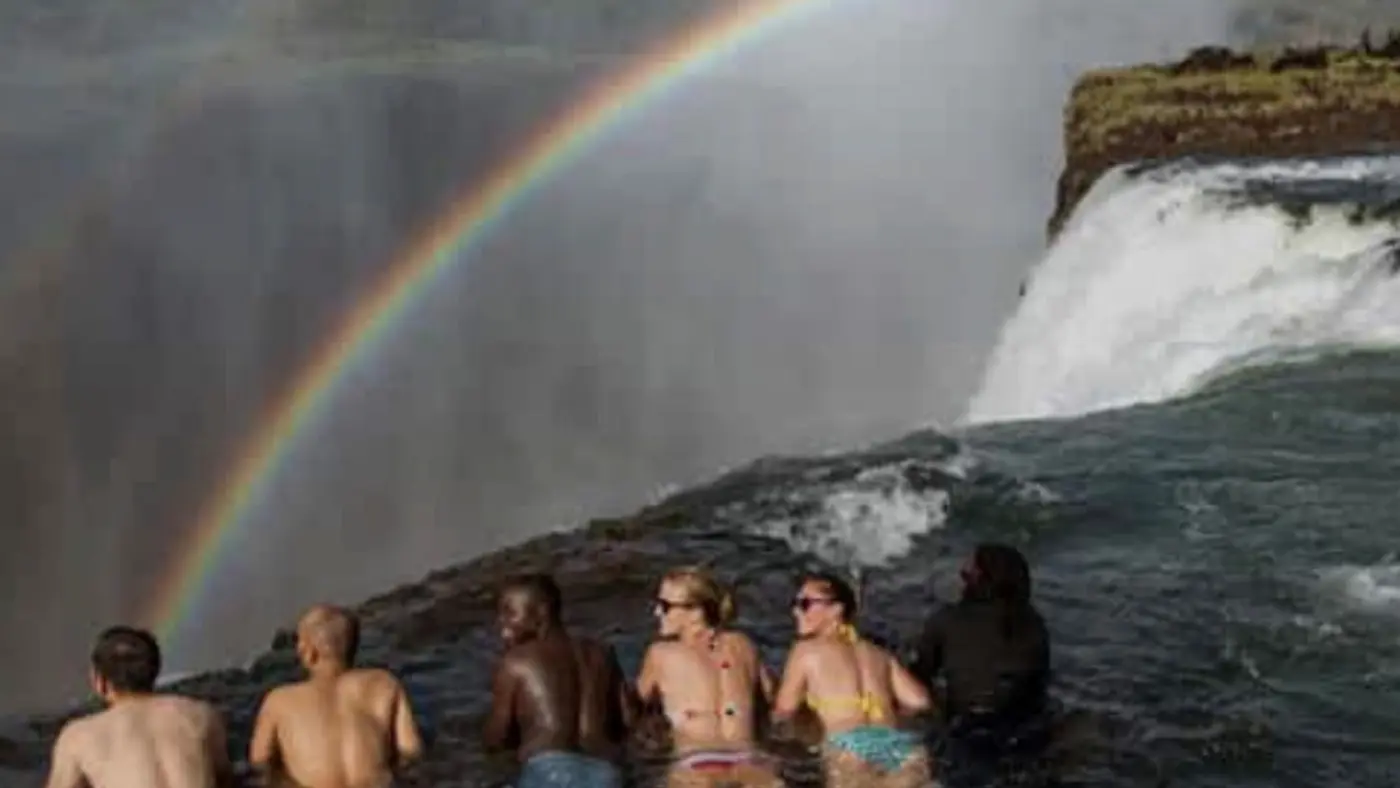
| Devil's Pool | Closed (Angel's Pool / island tour may run) | Open, usually mid-August to late December |
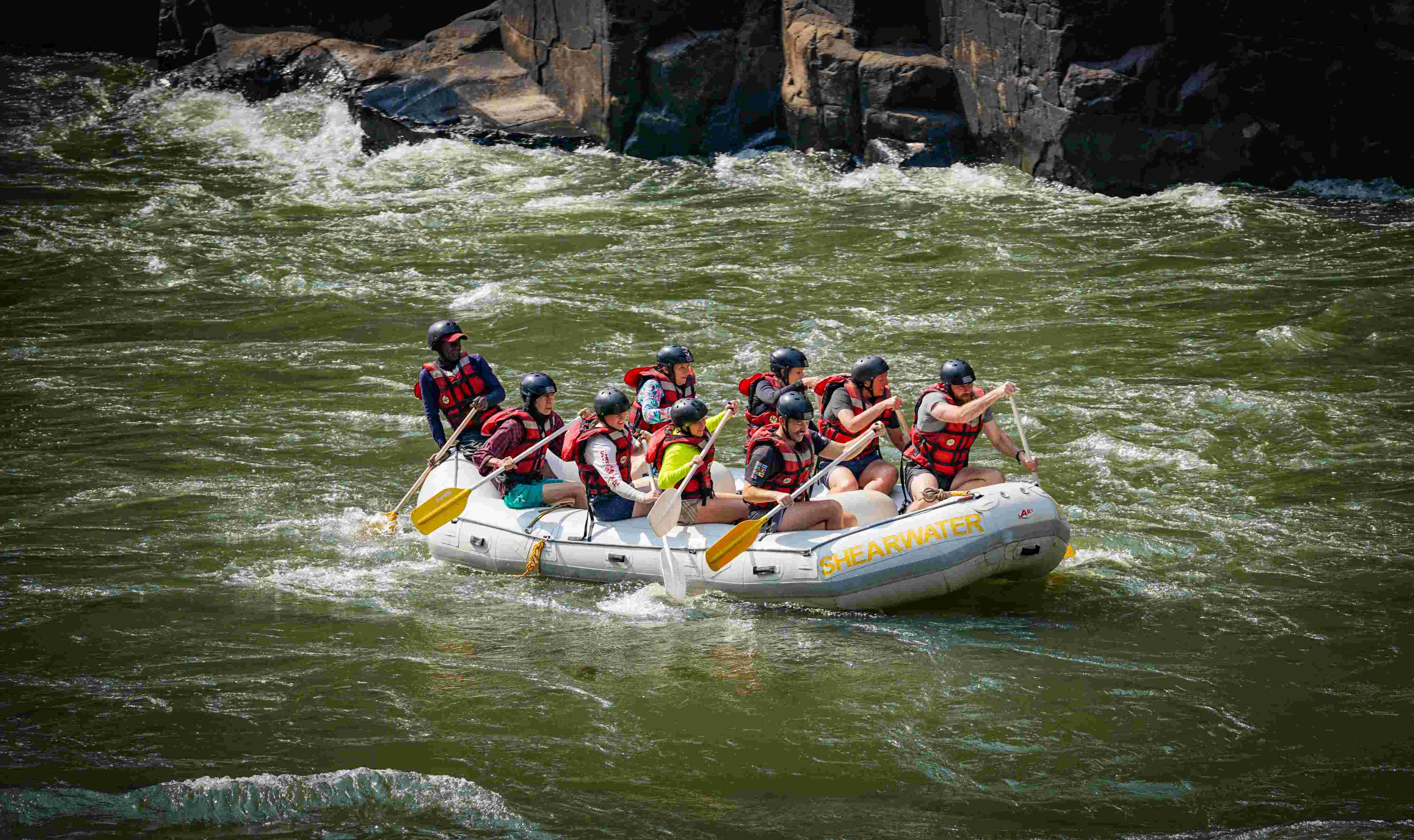
| White-water rafting | Short "high-water run" or closed at peak | Best season for the full run of rapids |
| Chobe safari | Green, lush, fewer vehicles | Peak elephant herds along the river |
| Prices | Mid to high (high from June) | High Aug–Oct, lower Nov–Dec |
The Four Seasons at Victoria Falls
Green season · Dec–Feb
Hot (30°C+), humid, afternoon thunderstorms. The river is rising, the bush is lush and birdlife is at its best. Fewer visitors and some of the year's lowest lodge rates.
Peak flood · Mar–May
The rains end and the Falls hit full power. Rainbows everywhere, heavy spray, lunar rainbows on full-moon nights. Bring a rain jacket — or just accept you will get soaked.
Cool dry season · Jun–Aug
Sunny days around 24–28°C, chilly mornings (6–10°C). Still lots of water, clear skies and the start of prime safari season. The most popular time — book lodges early.
Hot dry season · Sep–Nov
Temperatures climb to 32–35°C. Low water, Devil's Pool open, the best rafting and huge elephant herds on the Chobe River. October is the hottest month.
Victoria Falls Month by Month
| Month | Water level | Weather | Good for |
|---|---|---|---|
| January | Rising | Hot, rainy afternoons | Green scenery, lower rates, birding |
| February | Rising fast | Hot, rainy | Dramatic build-up, quiet town, good value |
| March | High | Rains easing | Big water, rainbows, helicopter flights |
| April | Peak flood | Warm, drying out | Maximum power; very wet on foot; lunar rainbow |
| May | Very high | Pleasant, dry | Spectacular Falls, lunar rainbows, few mosquitoes |
| June | High | Cool nights, sunny days | Great Falls views, start of dry-season safari |
| July | Falling | Cool, sunny | Best all-round month; school holidays — book early |
| August | Medium | Warming | Rafting opens fully, Devil's Pool usually opens |
| September | Medium–low | Warm, dry | Devil's Pool, Chobe elephants, clear gorge views |
| October | Low | Hottest month | Devil's Pool, best rafting, peak Chobe game |
| November | Lowest | Hot, first rains | Gorge geology, rafting, value rates |
| December | Low, starting to rise | Hot, rainy | Festive trips, Devil's Pool early in the month |
A closer look at each month
January and February. The rainy season is in full swing, but rain usually comes as a dramatic afternoon storm followed by sunshine. The Zambezi is rising week by week. This is the cheapest time for lodges and a wonderful time for birders, with migrant species in breeding colours. Rafting may run a shorter section of the gorge.
March and April. The water arrives in force. By April the spray cloud can be so thick that parts of the rainforest walk feel like standing in a storm, and some viewpoints show nothing but white mist. This is when the helicopter flight is unmissable: from above you see the full width of the Falls and the zigzag of the gorges.
May and June. Our favourite months for first-time visitors who want "the big Falls". The weather is dry and comfortable, the water is still huge but the spray is starting to settle, and on full-moon nights the Zimbabwe park opens for evening viewing of the lunar rainbow.
July and August. Peak season. Sunny, cool and dry, with excellent Falls views and every activity running by August. It overlaps with European and South African school holidays, so the best lodges on the river fill up 6–9 months ahead.
September and October. The Falls narrow into separate cascades, revealing the black basalt cliffs. Devil's Pool is open, the rafting is world-class (Grade 4–5 rapids) and Chobe is at its peak, with herds of hundreds of elephants coming to drink. October is hot — plan activities for early morning and late afternoon.
November and December. The lowest water of the year. The Zambian side can be almost dry, but the Zimbabwe side still delivers good views. The first rains arrive, the bush turns green and rates drop again — except over Christmas and New Year, which books up quickly.
Weather and Rainfall by Month
Victoria Falls sits at about 900 metres above sea level, so mornings in winter are cooler than many people expect. The figures below are approximate long-term averages for Victoria Falls town.
| Month | Avg high | Avg low | Rainfall | Rain days |
|---|---|---|---|---|
| Jan | 29°C | 18°C | ~165 mm | Many |
| Feb | 29°C | 18°C | ~145 mm | Many |
| Mar | 29°C | 17°C | ~85 mm | Some |
| Apr | 29°C | 14°C | ~25 mm | Few |
| May | 27°C | 10°C | ~3 mm | Rare |
| Jun | 24°C | 6°C | ~1 mm | Almost none |
| Jul | 25°C | 6°C | 0 mm | Almost none |
| Aug | 28°C | 9°C | 0 mm | Almost none |
| Sep | 32°C | 14°C | ~2 mm | Rare |
| Oct | 34°C | 18°C | ~25 mm | Few |
| Nov | 33°C | 19°C | ~65 mm | Some |
| Dec | 30°C | 19°C | ~170 mm | Many |
Zimbabwe Side vs Zambia Side by Season
Victoria Falls is shared by Zimbabwe and Zambia (see Where is Victoria Falls located?). Most of the main curtain of water — the Main Falls, Devil's Cataract and Rainbow Falls — faces the Zimbabwe side, which is why it keeps a good view even at low water. The Zambian side, especially the Eastern Cataract, is spectacular at high water but can run almost dry from about October to December.
| Zimbabwe side (Victoria Falls town) | Zambia side (Livingstone) | |
|---|---|---|
| Viewpoints | 16 viewpoints along the rainforest path, facing the Falls | Closer, more "inside the spray"; Knife-Edge Bridge |
| High water | Excellent, but very wet | Dramatic and very wet |
| Low water | Still good views of the Main Falls | Eastern Cataract can be dry |
| Unique activities | Lunar rainbow nights, Zambezi National Park | Devil's Pool, Livingstone Island, Boiling Pot walk |
| Best months | All year | February – July |
- High water: both sides are impressive. Zambia's Knife-Edge Bridge gives the most dramatic soaking.
- Low water: base yourself on the Zimbabwe side for the best walking views, then cross into Zambia for Devil's Pool on Livingstone Island. Prefer to stay in Zambia? See Explore Victoria Falls from Livingstone.
Planning to see both sides? Read our Victoria Falls visa guide first — the KAZA UniVisa usually makes this simple. Each side charges its own park entry fee in US dollars.


Which Activities Run When
| Activity | Best months | Notes |
|---|---|---|
| Guided Falls tour (rainforest walk) | All year | Bring a rain jacket Feb–Jul |
| Helicopter "Flight of Angels" | All year; best Mar–Jul | The best way to see high water — book a flight |
| Zambezi sunset cruise | All year | Hippos, crocs and elephants on the banks in dry months |
| Devil's Pool | Mid-Aug to late Dec | Water-level dependent — see our Devil's Pool guide |
| Livingstone Island tour | Roughly Jun–Dec | Closed when water is too high |
| White-water rafting | Aug–Dec (full run) | Short runs or closures at peak flood (Mar–May) |
| Bungee, gorge swing & zip line | All year | Spray makes high-water jumps extra dramatic |
| Upper Zambezi canoeing | Jun–Dec | Calmer water, more wildlife on the banks |
| Lunar rainbow | Full-moon nights, roughly Apr–Jul | Needs high spray and clear skies |
| Chobe day trip | All year; best Jun–Oct | See our Chobe day trip from Victoria Falls |
Want the full list with what each one is really like? Read the best Victoria Falls tours and activities and things to do in Victoria Falls.
Prices and Crowds Through the Year
| Period | Crowds | Lodge prices | Booking ahead |
|---|---|---|---|
| Jan – Mar | Low | Lowest of the year | 1–2 months |
| Apr – May | Moderate | Mid | 2–4 months |
| Jun – Oct | High (peak Jul–Aug) | Highest | 6–9 months for top lodges |
| Nov – early Dec | Low | Lower | 1–2 months |
| Christmas – New Year | High | High | 4–6 months |
For a full breakdown of what a trip costs — flights, lodges, activities and park fees — see our Victoria Falls package cost guide, or browse mid-range Victoria Falls hotels and lodges.
Best Time for Your Type of Trip
| You are… | Go in | Why |
|---|---|---|
| First-time visitor | Jun – Aug | Big water, sunny weather, everything open |
| Honeymoon couple | May – Sep | Dry evenings for sunset cruises and bush dinners |
| Photographer | May – Jun or Oct – Nov | Rainbows and aerials, or the bare gorge |
| Adventure seeker | Sep – Nov | Devil's Pool, full rafting, gorge swing |
| Safari combination | Jun – Oct | Dry season in Chobe, Okavango and Kruger |
| Family with children | Jun – Aug | Mild weather, lower malaria risk, school holidays |
| Budget traveller | Jan – Mar, Nov | Lowest lodge rates |
| Birder | Nov – Mar | Migrants and breeding plumage |
Honeymoon and couples
May to September gives comfortable weather, sunset cruises without rain and a full Falls. Pair it with a romantic lodge and a private bush dinner — ideas in our Honeymoon in Victoria Falls guide, or see our ready-made Victoria Falls honeymoon packages.
Photographers
Go in May–June for rainbows, lunar rainbows and aerial shots, or October–November to photograph the gorge, the basalt walls and dramatic storm skies. Bring a waterproof camera cover for any visit between February and July.
Adventure seekers
September to November: Devil's Pool, the full rafting run through the Batoka Gorge, the gorge swing and the bridge bungee all line up.
Safari combinations
June to October overlaps the dry season in Chobe, the Okavango Delta and Kruger, when animals gather at water and the bush is thin. See our Victoria Falls, Chobe and Okavango itinerary or the Kruger & Victoria Falls safari package.
Families
The cool dry months are easiest with children: lower malaria risk, comfortable temperatures and plenty to do. Note that Devil's Pool, rafting and bungee have minimum ages, so check before you promise them to the kids.
Travellers with limited mobility
The dry months (July–October) mean less slippery paths on the rainforest walk. Our accessible Africa safaris team plans step-free routes and private transfers — see also our accessible Victoria Falls travel guide.

Combining Victoria Falls with a Safari
Victoria Falls is the natural gateway to some of Africa's best wildlife areas, and the timing that suits the Falls also matters for your safari:
- Chobe National Park (Botswana) — just 80 km away. Excellent from June to October, when tens of thousands of elephants gather along the Chobe River. Easy as a day trip or 2–3 nights in Kasane.
- Okavango Delta (Botswana) — a short flight away. Its floodwaters peak from June to August, the same time the Falls still look full. Read our best time to visit Botswana guide.
- Hwange National Park (Zimbabwe) — Zimbabwe's largest park, best in the dry season from July to October.
- Kruger (South Africa) — short flights via Johannesburg make this an easy and popular combo; the dry season (May–October) is best for both.

Sample 3-Night Plans: High Water vs Low Water
| Day | High water (e.g. May) | Low water (e.g. October) |
|---|---|---|
| Day 1 | Arrive, Zambezi sunset cruise | Arrive, Zambezi sunset cruise |
| Day 2 | Guided Falls tour (rain jacket!), helicopter flight, lunar rainbow if full moon | Early Devil's Pool tour from Livingstone, afternoon guided Falls tour in Zimbabwe |
| Day 3 | Chobe day trip | Full-day white-water rafting or Chobe day trip |
| Day 4 | Craft market, depart | Morning canoe on the Upper Zambezi, depart |
Our 3 Nights in Victoria Falls itinerary lays this out in more detail, and our 4-day, 5-day and 6-day Victoria Falls packages are ready to book.
What to Pack by Season
- Rain jacket or poncho (Feb–Jul)
- Dry bag or waterproof phone pouch
- Shoes with grip for wet paths
- Warm fleece for Jun–Aug mornings
- Light, breathable clothing for Sep–Dec
- Wide-brimmed hat and sunscreen
- Insect repellent (all year)
- Swimwear for Devil's Pool
- Binoculars for Chobe and the Zambezi
- US dollars in small notes
Common Timing Mistakes to Avoid
- Expecting Devil's Pool and peak flood together. They never overlap — Devil's Pool needs low water.
- Visiting only the Zambian side in October–November. You may see mostly dry rock. Always include the Zimbabwe side at low water.
- Skipping the helicopter in April–May. On foot the spray can hide most of the Falls; from the air you see it all.
- Booking July–August late. Riverside lodges and good-value packages sell out months ahead.
- Forgetting the cold. Winter mornings are surprisingly chilly on open safari vehicles and boats.
- Staying only one night. Flights in and out leave you with barely half a day at the Falls — plan at least two nights.
Getting to Victoria Falls
Most travellers fly into Victoria Falls International Airport (Zimbabwe, about 20 minutes from town) or Livingstone (Zambia, about 15 minutes from the Falls). There are direct flights from Johannesburg (around 1 hour 40 minutes), Cape Town, Nairobi and Addis Ababa, plus links to Kasane for Chobe and Maun for the Okavango Delta. We arrange airport meet-and-greet and transfers as part of every package.
How Long to Stay
Two nights covers the Falls and one cruise. Three nights lets you add a helicopter flight and either Devil's Pool, rafting or a Chobe day trip. Add two to four nights in Chobe, Hwange or the Okavango Delta to turn it into a full safari — or combine it with an island beach stay afterwards.
Frequently Asked Questions
What is the best month to visit Victoria Falls?
For most visitors July is the best all-round month: the Falls are still full, skies are clear, days are sunny and around 25°C, and Chobe safaris are excellent. May and June have even more water, while September is best if you want Devil's Pool, rafting and big elephant herds on the same trip.
When is Victoria Falls at its fullest?
Victoria Falls is usually at its fullest from late March to May, peaking around April, after the summer rains in the upper Zambezi catchment in Angola and western Zambia. At peak flow more than 500 million litres of water a minute go over the edge and the spray can rise several hundred metres, so a helicopter flight is the best way to see it.
When is Victoria Falls dry?
The Falls never dry up completely, but water is lowest from about October to early December. The Zambian side, especially the Eastern Cataract, can be almost bare rock then, while the Zimbabwe side — particularly the Main Falls and Devil's Cataract — still has water all year.
Is it worth visiting Victoria Falls in low water?
Yes. Low water reveals the full 108-metre depth of the gorge, opens Devil's Pool, gives the best white-water rafting on the Zambezi and coincides with peak elephant season in nearby Chobe National Park. You simply see a different, more geological Falls rather than a wall of spray.
When can you swim in Devil's Pool?
Devil's Pool is usually open from about mid-August to late December, depending on river levels. From roughly January to mid-August operators often run Angel's Pool or a Livingstone Island tour instead, when water levels allow. See our Devil's Pool guide for the full details.
Which side of Victoria Falls is better, Zimbabwe or Zambia?
The Zimbabwe side has about three-quarters of the viewpoints facing the main curtain of water and keeps a good view all year. The Zambian side is best at high water and is where Devil's Pool and Livingstone Island are. Many visitors see both on a KAZA UniVisa.
Is the rainy season a bad time to visit Victoria Falls?
Not necessarily. From November to March rain usually falls as short afternoon storms rather than all day, the landscape turns green, birdlife is excellent and lodge rates are often lower. It is hot and humid, and the water is still building, so it suits travellers who value price and scenery over peak flow.
When is the malaria risk highest at Victoria Falls?
Victoria Falls is in a malaria area and the risk is highest in the warm, wet months from November to April. It is lower in the cool dry season from June to August, but not zero. Speak to a travel clinic about prophylaxis before any visit.
How many days do you need at Victoria Falls?
Two to three nights is ideal: a guided tour of the Falls, a Zambezi sunset cruise and one or two extra activities such as a helicopter flight, Devil's Pool, rafting or a Chobe day trip. Add two to four nights in Chobe or the Okavango Delta for a full safari.
Bookable Victoria Falls Tours
Prefer a ready-made trip? These are our most popular Victoria Falls packages — all with transfers and local guides included.

Planning Your Victoria Falls Trip?
Tell us your dates and we will tell you exactly what the Falls will look like, which activities will be running and how to add Chobe or the Okavango Delta.
WhatsApp for a quote Send an enquiry