When many people hear the words “accessible travel,” they immediately think of wheelchairs, ramps and step-free rooms. Those are very important, but they are only one part of accessibility. Many travellers live with disabilities, health conditions or sensory needs that are not immediately visible to other people.
These are often called invisible disabilities, hidden disabilities or non-apparent disabilities. A traveller may look perfectly fine at the airport, in a safari vehicle or at a lodge dinner table, but still need extra time, privacy, medication access, quieter spaces, regular meals, patience, rest periods or a more flexible itinerary.
At Tourgy Tourz, we believe accessible African travel should include both visible and invisible needs. You should not have to “prove” your difficulty before your comfort is taken seriously. If something affects the way you travel, it matters.
Important note: This article is for general travel planning only. It is not medical advice. Travellers with medical conditions, chronic illnesses or disability-related support needs should speak with their healthcare provider before travelling and confirm travel insurance that covers their needs.
In this guide
What is an invisible disability? Why invisible disabilities matter in safari travel Examples of invisible disabilities that may affect travel Airports, flights and the Hidden Disabilities Sunflower How safari planning can be adapted Choosing suitable lodges Game drives, transfers and activity pacing Privacy, dignity and communication How Tourgy Tourz can support youWhat Is an Invisible Disability?
An invisible disability is a disability, medical condition, neurological difference, chronic illness or mental health condition that is not always obvious from the outside. The person may not use a wheelchair or visible mobility aid, but they may still experience real barriers when travelling.
Some invisible disabilities affect energy, pain levels, concentration, sensory processing, communication, blood sugar, breathing, digestion, memory, anxiety or how someone responds to crowds, noise and unfamiliar environments.
This is why it is so important for the travel industry to move beyond the idea that a traveller only needs support if their disability is visible. A person can appear strong, confident and independent, while still needing thoughtful planning behind the scenes.
Why Invisible Disabilities Matter in Safari Travel
Safari travel is beautiful, but it can also be demanding. A safari may include early mornings, long road transfers, remote lodges, unfamiliar food, bumpy game drives, hot weather, limited bathroom access, airport queues and changes in routine.
For some travellers, these are small inconveniences. For others, they can affect health, comfort and confidence. A traveller with diabetes may need regular meals, medication storage or snacks during game drives. A traveller with anxiety may prefer private transfers and clear daily plans. A traveller with chronic pain may need shorter drives and fewer lodge changes. A neurodiverse traveller may need quieter spaces, routine, sensory breaks or detailed preparation before activities.
This does not mean safari is impossible. It means safari should be planned properly.
A memorable safari is not measured by how much you push through. It is measured by whether the journey feels comfortable, respectful and possible for you.
Examples of Invisible Disabilities That May Affect Travel
Invisible disabilities are broad and every person’s experience is different. The list below is not complete, and it should never be used to make assumptions about a traveller. It simply shows why accessible travel must be flexible.
Autism, ADHD and sensory sensitivities
Some neurodiverse travellers may find airports, crowds, noise, bright light, unfamiliar food or unpredictable schedules overwhelming. Others may love nature and wildlife but need a calmer pace, clear explanations and more control over daily plans.
Diabetes and blood sugar management
Travellers with diabetes may need to think about meal timing, snacks, medication, insulin storage, game drive duration, long transfers and access to medical support.
Epilepsy and seizure conditions
Travellers with epilepsy may need careful planning around sleep disruption, flashing lights, heat, medication, fatigue and remote locations. Safari lodges should be briefed only with the traveller’s consent and according to their comfort level.
Chronic pain, arthritis or fatigue
A person may walk normally but still struggle with long sitting periods, uneven lodge pathways, bumpy drives or packed schedules. Slower itineraries and private transfers can make a big difference.
Anxiety, PTSD or panic disorders
Travel can bring uncertainty. Airports, crowds, border crossings, delays and unfamiliar environments can be difficult for some travellers. Clear communication, private guiding and realistic daily schedules can reduce unnecessary stress.
Digestive conditions such as Crohn’s disease or IBS
Bathroom access, food choices, long transfers and remote areas may be important considerations. A private itinerary can allow more control over stops and pacing.
Heart, respiratory or sleep-related conditions
Some travellers may need easier walking distances, oxygen considerations, CPAP machine support, backup power checks, gentle pacing or lodges with reliable facilities.
Airports, Flights and the Hidden Disabilities Sunflower
Airports can be one of the most stressful parts of travel for people with invisible disabilities. Queues, security checks, loud announcements, crowds, delays and rushed boarding can be difficult even before the safari begins.
Some airports and airlines recognise the Hidden Disabilities Sunflower, a discreet symbol that lets staff know a traveller may need extra time, support or understanding. Wearing a sunflower lanyard or badge is voluntary. It does not require someone to explain their full medical history to strangers, but it can gently signal that support may be needed.
Travellers with chronic conditions are also commonly advised to carry essential medication and medical supplies in hand luggage, pack extra supplies for possible delays and carry medical information where appropriate. Always confirm your own needs with your healthcare provider before departure.
Helpful airport planning ideas:
- Request airport assistance in advance where needed.
- Carry medication, medical equipment and important supplies in hand luggage.
- Pack extra supplies in case of delays.
- Keep medical letters, prescriptions or condition information accessible.
- Allow longer connection times to avoid rushing.
- Use quiet areas where available.
- Consider whether a Hidden Disabilities Sunflower lanyard may be helpful.
How Safari Planning Can Be Adapted
The best safari for a traveller with an invisible disability is rarely the most rushed itinerary. It is usually the itinerary with enough breathing room. Private safari planning allows the route, accommodation and activities to be shaped around the traveller rather than forcing the traveller to keep up with a fixed group schedule.
For many travellers with hidden disabilities, small adjustments can make a major difference. These may include private transfers, flexible meal times, fewer lodge changes, shorter game drives, quieter accommodation, clear daily schedules, medication cooling checks or a guide who understands that the traveller may need extra time.
Safari planning adjustments may include:
- Private airport transfers instead of shared shuttles.
- Fewer destinations and longer stays in each place.
- Rest time after international flights.
- Flexible meal timing and snack planning.
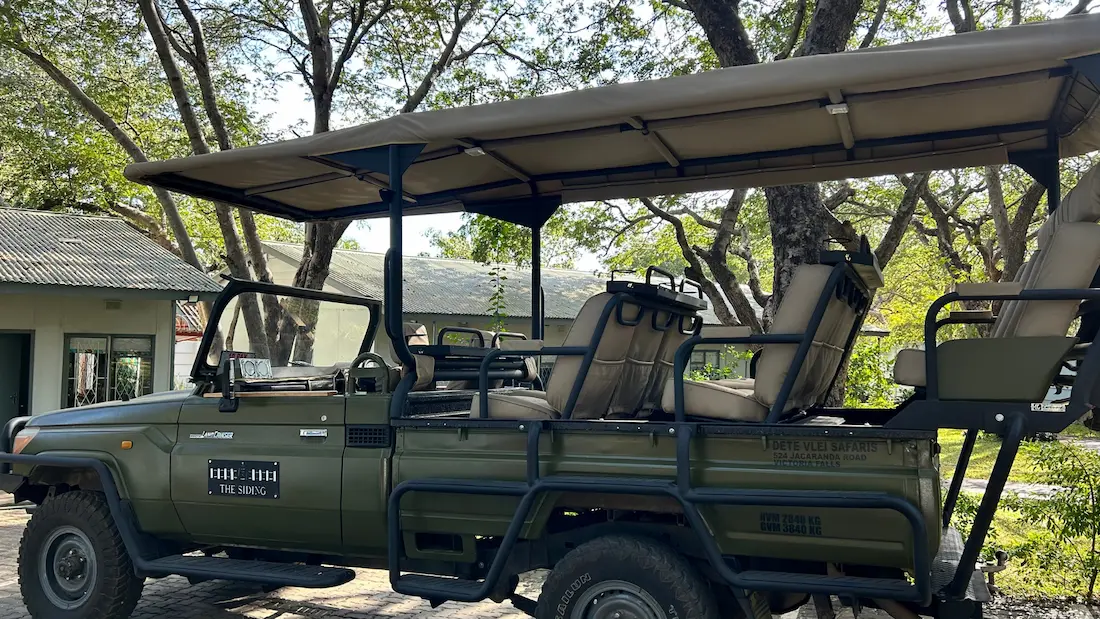
- Private safari vehicles where possible.
- Shorter or optional game drives.
- Rooms closer to the main lodge area.
- Backup power checks for medical equipment.
- Medication refrigeration questions checked before booking.
- Clear communication before each activity.
Choosing Suitable Safari Lodges
A lodge can be beautiful and still not be the right fit for a specific traveller. For invisible disabilities, the questions are often practical. Is the lodge remote? Is there backup power? Can meals be flexible? Are rooms quiet? Are there long walks to dinner? Is Wi-Fi important for communication or comfort? Can medication be stored safely?
Some travellers may prefer small quiet lodges. Others may prefer larger hotel-style properties with more facilities and easier access to town. Some may feel safest in private game reserves with personal service, while others may prefer destinations with easier medical access.
Lodge questions worth asking:
- Is the lodge remote or close to a town?
- Is there reliable electricity and backup power?
- Can medication be refrigerated if needed?
- Can meals be served earlier or adjusted?
- Can the lodge provide simple food or familiar options?
- Are rooms far from the dining area?
- Are pathways uneven, sandy or steep?
- Is the property quiet or busy?
- Is there Wi-Fi or mobile signal?
- How far is the nearest clinic or medical facility?
Game Drives, Transfers and Activity Pacing
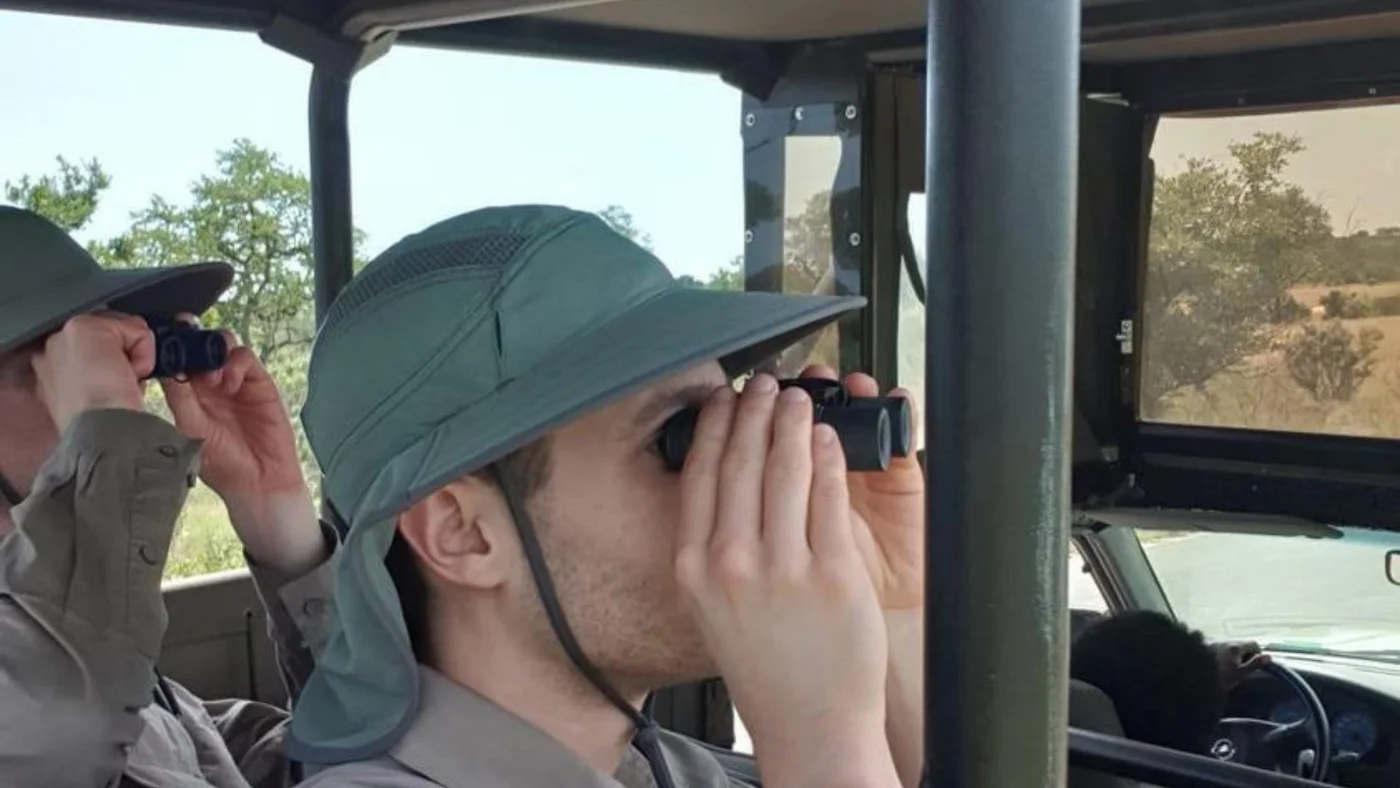
Game drives are one of the great joys of safari, but they can also be long, bumpy and unpredictable. Some drives may last three to four hours. Bathroom access may be limited. Wildlife sightings can extend the route. Temperatures can change quickly between early morning and afternoon.
Travellers with invisible disabilities may need to consider snacks, water, medication, pain levels, fatigue, anxiety, sensory comfort or how long they can sit comfortably. This is where private guiding becomes valuable.
Helpful game drive planning tips:
- Ask how long game drives normally last.
- Request a private vehicle where possible.
- Carry water, snacks and essential supplies.
- Tell the guide privately if you may need a break.
- Ask whether shorter drives are possible.
- Skip an activity if rest is more important.
- Choose lodges where wildlife can sometimes be seen from the deck.
A safari does not have to be intense to be meaningful. Sometimes a quiet morning watching elephants from a lodge deck is just as memorable as a long game drive.
Privacy, Dignity and Communication
One of the most sensitive parts of invisible disability travel is privacy. Not every traveller wants to explain their condition to every guide, lodge receptionist or transfer driver. Some people are comfortable sharing details. Others only want essential support needs communicated.
A good travel planner should never pressure a traveller to disclose more than they are comfortable sharing. The focus should be on practical needs: meal timing, rest periods, medication storage, quiet rooms, private transfers, medical equipment, shorter drives or emergency contacts.
The language also matters. Travellers should not be made to feel difficult, dramatic or demanding. If someone tells us that they need extra time, a private transfer, a quieter room or a flexible schedule, that request deserves respect.
You do not need to look disabled for your travel needs to be real. If something helps you travel with more comfort and confidence, it is worth planning for.
How Tourgy Tourz Can Support You
Tourgy Tourz helps travellers plan African safaris that feel personal, realistic and comfortable. If you have an invisible disability, chronic illness, sensory need or medical consideration, we can help you think through the practical details before you book.
We can recommend private safari routes, slower itineraries, flexible lodges, private transfers and destinations that make sense for your needs. We can also communicate important requests to suppliers before arrival, so that your journey feels smoother and less stressful.
You do not need to share every personal detail. You can simply tell us what would help you travel better. For example: “I need regular meal times,” “I need a room close to the main area,” “I need backup power for medical equipment,” “I prefer private transfers,” or “I get overwhelmed by rushed schedules.”
If you have any of these needs, we are here to help make your African safari experience comfortable, dignified and memorable.
Plan an Accessible Safari That Respects Your Needs
Whether your disability is visible or invisible, your comfort matters. We can help you plan a private African safari with flexible pacing, carefully selected lodges and practical support before you travel.
Explore Accessible Africa SafarisFinal Thoughts
Invisible disabilities remind us that accessibility is not only about what can be seen. It is about listening, planning and creating travel experiences that respect real human needs.
African safaris can be deeply peaceful, healing and memorable when they are planned with care. The open landscapes, wildlife, slower rhythm and private guiding options can work beautifully for many travellers who need a more thoughtful approach.
At Tourgy Tourz, we believe accessible safari travel should be about dignity, comfort and possibility. Your journey does not need to look like anyone else’s. It only needs to work for you.