Planning a safari as a family is exciting, but when travelling with an autistic child, it may also come with extra questions. Will the journey be too long? Will the lodge be quiet enough? What happens if the child needs a break from an activity? Can meals be adjusted? Will the guide understand that not every child responds to travel in the same way?
These are thoughtful and valid concerns. At Tourgy Tourz, we do not present ourselves as medical or autism specialists. We are a travel company that believes African travel should be planned with care, dignity and respect for different needs. Every child is different, every family is different, and autism is a spectrum. For this reason, the best safari is not a standard package copied and pasted for everyone. It is a carefully designed journey built around the family travelling.
Important note: This guide is not medical advice. It is a practical travel-planning guide for families. Parents, guardians and caregivers know their child best and should seek professional guidance where needed before making travel decisions.
In this guide
Can an African safari work for an autistic child? The planning approach that matters most Flights, airports and arrival days Choosing the right safari style Choosing suitable lodges Game drives and safari activities Food, sleep and routine Safari destinations that may work well Questions families should ask before bookingCan an African Safari Work for an Autistic Child?
For some families, yes. For others, a safari may need to be planned very carefully or postponed until the child is ready. The answer depends on the child’s sensory preferences, communication style, comfort with new environments, ability to manage long journeys, safety needs and the type of safari being considered.
A busy group tour with many early mornings, long road transfers, multiple border crossings and strict schedules may not be the best choice. A slower private safari, however, can be much more suitable. Private safaris allow families to move at their own pace, take breaks when needed and choose accommodation that feels calmer and more predictable.
Africa is not one single travel experience. A safari in a large national park, a private game reserve, a quiet lodge near Victoria Falls, a beach extension in Zanzibar or a self-drive journey through Namibia will all feel very different. This is why destination matching is so important.
The Planning Approach That Matters Most
When planning a safari with an autistic child, the most important question is not simply, “Which lodge is best?” The better question is, “What does this child need in order to feel safe, understood and comfortable while travelling?”
Some children may enjoy animal sightings, quiet landscapes and outdoor space. Others may find the sounds, smells, heat, insects, vehicle movement or changes in routine difficult. Some children may communicate clearly when they need a break, while others may show distress through behaviour, withdrawal or sensory overload. Respectful travel planning begins by listening to the family before suggesting destinations.
A good safari plan should consider:
- The child’s usual daily routine and how much it can change comfortably.
- Sensory sensitivities such as noise, heat, textures, smells, insects, crowds or bright light.
- Food preferences, safe foods, allergies and mealtime flexibility.
- Sleep routine, bedtime needs and whether interleading rooms are required.
- Communication preferences, including verbal and non-verbal communication.
- Safety concerns, including wandering, water safety and unfenced lodge areas.
- Whether private transfers and private game drives would reduce stress.
- How many nights the family should stay in one place before moving.
The goal is not to force a child to fit into a safari schedule. The goal is to design a safari that gives the family space, flexibility and realistic expectations.
Flights, Airports and Arrival Days
For many families, the safari itself is not the biggest concern. The journey to get there can be the hardest part. Long flights, airport queues, security checks, announcements, crowds, unfamiliar bathrooms and waiting times can all be overwhelming for some children.
Where possible, families may want to choose flights with shorter layovers, airport assistance, pre-selected seats and enough connection time to avoid rushing. It can also help to prepare the child before travel using photos, simple explanations, visual schedules or a step-by-step travel plan.
We usually recommend keeping the first arrival day gentle. After an international flight, it may be better to spend the first night near the arrival city or airport rather than immediately adding a long road transfer. This gives the family time to rest, eat, shower, sleep and adjust before the safari begins.
Helpful arrival-day ideas:
- Book a private airport transfer instead of a shared shuttle.
- Avoid adding too many activities on the first day.
- Choose a hotel with comfortable rooms, simple meals and easy check-in.
- Allow time for the child to settle before moving to the safari lodge.
- Keep familiar snacks, comfort items, headphones, toys or devices easily available.

Choosing the Right Safari Style
A safari can be planned in many ways. For a family travelling with an autistic child, the safari style should be chosen carefully. The cheapest option is not always the most suitable option, especially if it involves shared vehicles, strict schedules, long waiting times or little flexibility.
Private safaris
A private safari gives the family more control. The guide can understand the family’s pace, breaks can be built into the day and the vehicle does not need to follow the expectations of strangers. If the child needs to return to the lodge earlier, pause for quiet time or skip an activity, it is easier to adjust.
Private game reserves
Private game reserves can be a good option for some families because they often offer a more personalised experience. They may have fewer vehicles at sightings, more attentive lodge service and guides who can get to know the family. However, not all private reserves are the same, and some lodges have age limits for game drives or unfenced areas, so details must be checked before booking.
Self-drive safaris
Self-drive travel can work well for families who need flexibility, especially in destinations such as Namibia or parts of South Africa. The family can stop when needed, carry familiar food and move at their own rhythm. The downside is that driving distances can be long, and parents must be comfortable with navigation, road conditions and travel logistics.
Small group safaris
Small group safaris may be suitable for some families, but they are less flexible. If a child needs a break, the group schedule may not be able to change. Families considering a group safari should ask detailed questions about drive times, vehicle size, group size, meal schedules and the level of flexibility available.
Choosing Suitable Safari Lodges
The right lodge can make a significant difference. A beautiful lodge is not automatically the best lodge for a neurodiverse family. Families may need to think about layout, noise, safety, food, room type and how close the rooms are to the main lodge area.
Some families prefer a smaller lodge because it feels quieter and less crowded. Others prefer a larger hotel-style lodge because it offers more facilities, more room options and easier meal flexibility. The best choice depends on the family and the child’s needs.
Useful lodge features to ask about:
- Family rooms or interleading rooms.
- Rooms close to the main area to reduce walking distances.
- Rooms away from noisy public spaces, bars or entertainment areas.
- Flexible meal options and early dinner possibilities.
- Availability of plain foods or child-friendly meals.
- Swimming pool safety and whether the lodge is fenced.
- Whether animals move freely through the property.
- Whether the lodge can assist with a quieter table at meals.
- Whether private vehicles are possible for game drives.
- Whether there are age restrictions for activities.

Game Drives and Safari Activities
Game drives are often the highlight of a safari, but they can also be demanding. They may involve early mornings, bumpy roads, long periods of sitting, sudden stops, excitement from other guests and instructions to remain quiet near wildlife. For some children this is manageable and exciting. For others it may feel uncomfortable or restrictive.
Families should not feel pressured to do every game drive. A successful safari does not have to mean joining every activity from sunrise to sunset. Sometimes the best family safari includes one game drive per day, more rest time at the lodge and a slower rhythm.
Game drive planning tips:
- Ask whether a private vehicle is available.
- Start with shorter drives where possible.
- Bring headphones, sunglasses, comfort items or quiet activities.
- Let the guide know if the child may need breaks or extra patience.
- Ask about toilet stops before departure.
- Avoid overloading the itinerary with too many early mornings.
- Choose lodges where wildlife can sometimes be seen from the deck or waterhole.
A private guide can be especially helpful because the guide can adjust the tone of the experience. Some children may enjoy learning animal facts in detail. Others may prefer quiet observation. Some may be excited for the first hour and then need a break. A respectful guide understands that there is no single “correct” way for a child to enjoy safari.
Food, Sleep and Routine
Food can be one of the most important parts of planning. Some autistic children have strong food preferences, safe foods or sensitivities to taste, smell, texture or presentation. This should be discussed before travel, not after arrival.
Families may want to carry familiar snacks, especially for flights and transfers. For lodge stays, it is helpful to ask whether the kitchen can prepare plain meals, early meals, simple breakfasts or packed snacks. Not every lodge can accommodate every request, but many will try when they are informed in advance.
Sleep and routine considerations:
- Try not to change hotels every night.
- Build in rest afternoons after travel days.
- Keep bedtime routines as familiar as possible.
- Ask for room locations that are quieter.
- Consider whether the child needs a separate sleeping space.
- Avoid itineraries that require very early mornings every day.
For many families, a slower itinerary is not a luxury. It is what makes the journey possible.
Safari Destinations That May Work Well
There is no single best African destination for every autistic child. However, some destinations may be easier to shape around family needs than others.
South Africa
South Africa is often a practical starting point for families because it has strong tourism infrastructure, private safari options, good road networks, a wide range of accommodation and easier combinations with Cape Town, Johannesburg or the Kruger region. Private Kruger safaris, malaria-free reserves near Cape Town and carefully paced family itineraries can all be considered depending on the family’s needs.
Victoria Falls
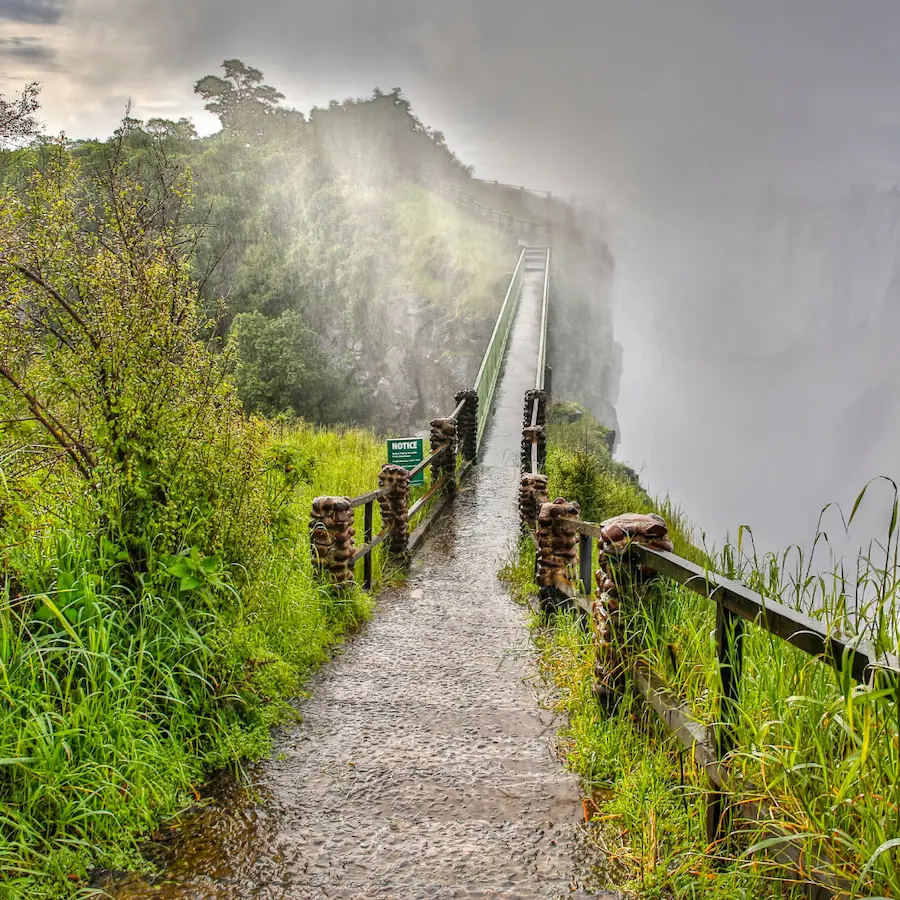
Victoria Falls can work well as a short extension if planned gently. Families can choose quieter lodge stays, private transfers and flexible sightseeing. However, the rainforest walk can be wet, noisy and busy during peak times, so timing and expectations matter.
Namibia
Namibia offers space, dramatic landscapes and self-drive possibilities, but distances can be long. It may suit families who enjoy open scenery and slower road travel, but it should not be rushed. A Namibia itinerary for a neurodiverse family should include fewer stops and longer stays.
Botswana
Botswana offers exceptional wildlife and quieter wilderness areas, but many camps are remote and reached by light aircraft. This can be magical for some families and stressful for others. Families should consider flight sensitivity, lodge remoteness and medical access before choosing this style of safari.
Questions Families Should Ask Before Booking
Before confirming a safari, families may want to ask detailed questions. These questions are not “too much.” They are part of responsible planning.
- How long are the road transfers between each stop?
- Can we book private transfers?
- Can we request a private safari vehicle?
- Are children allowed on all game drives?
- Can the lodge provide early or simple meals?
- Can we request a quieter room location?
- Is the lodge fenced?
- Are there pools, rivers or unfenced decks near the rooms?
- Can we skip activities without disrupting the itinerary?
- Is there Wi-Fi if the child uses a device for comfort or communication?
- What happens if we need to return early from a game drive?
- How close is the nearest clinic or medical support?
How Tourgy Tourz Can Help
We believe accessible travel should be handled with care, not rushed through a standard booking process. For families travelling with an autistic child, we can help design a safari that considers pace, privacy, lodge style, room setup, transfers, activities and downtime.
We may recommend fewer destinations, private transfers, flexible safari lodges, quieter accommodation and realistic travel days. We can also communicate important requests to lodges and suppliers before arrival, so families do not have to explain everything repeatedly at each stop.
The most important part is an honest conversation before planning begins. The more we understand about your child’s travel needs, comfort items, food preferences, routine, sensory sensitivities and safety considerations, the better we can help shape the journey.
Plan a Thoughtful Accessible African Safari
If your family is considering Africa and you need a safari planned with patience, flexibility and respect, our accessible travel team can help you explore suitable options.
Explore Accessible Africa SafarisFinal Thoughts
Travelling to Africa with an autistic child is not about proving that every family must travel in the same way. It is about creating space for different ways of experiencing the world. For some children, safari may become a beautiful experience of animals, nature, quiet landscapes and family connection. For others, it may require careful timing, shorter activities and more rest.
A successful safari is not measured by how many activities a family completes. It is measured by whether the journey feels safe, respectful and possible for the people travelling. With thoughtful planning, honest communication and the right support, African travel can be made more welcoming for neurodiverse families.