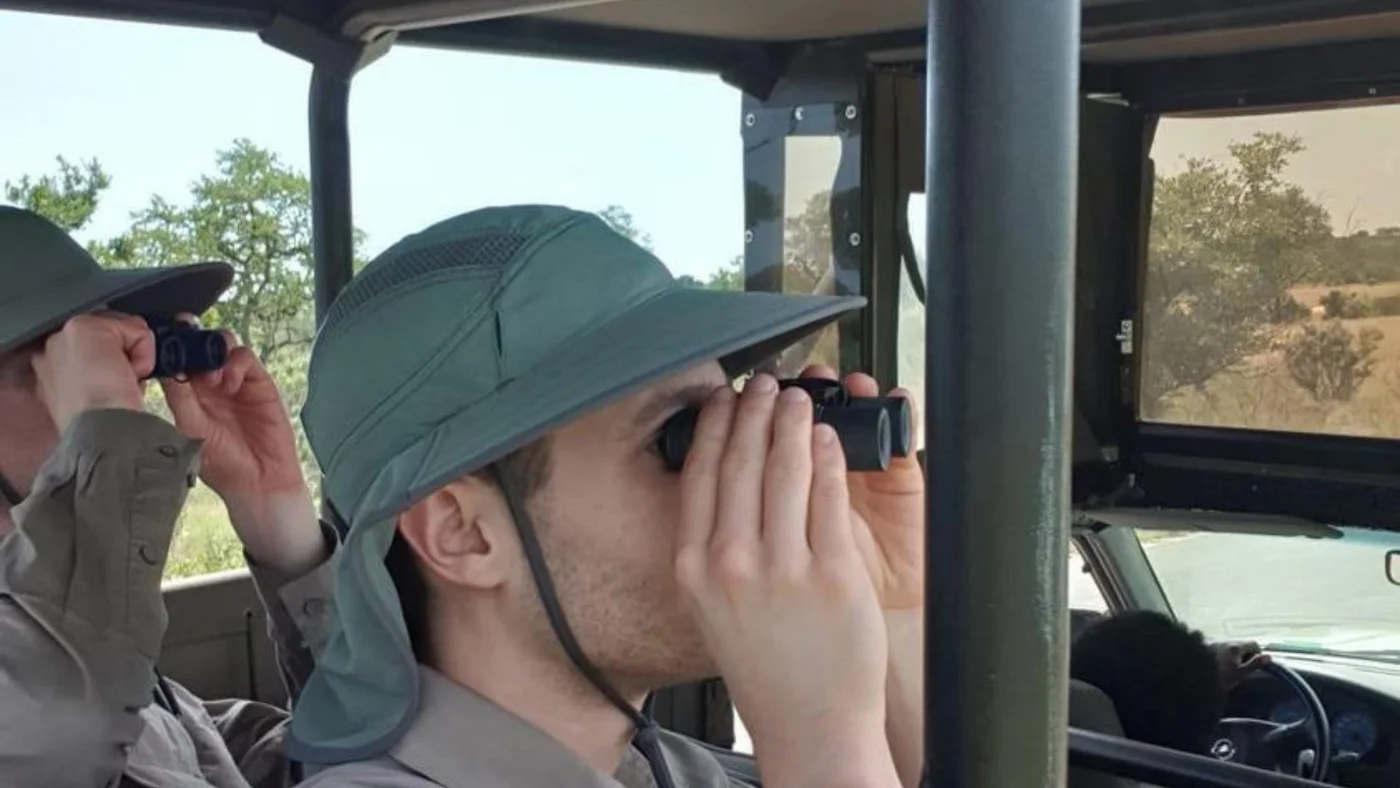
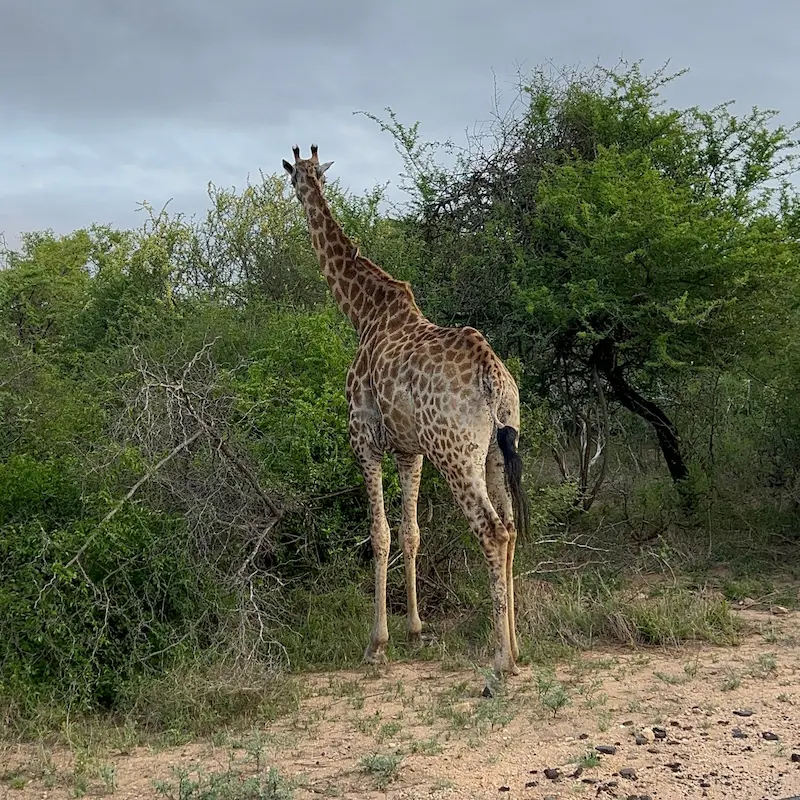
Travelling to Africa with diabetes is possible for many people, but it requires thoughtful preparation. A safari is not the same as a city break where pharmacies, restaurants and medical facilities are always close by. Safari travel can include long flights, road transfers, early morning game drives, remote lodges, hot weather, changing meal times and days spent far from major towns.
This does not mean travellers with diabetes should avoid safari. It simply means the trip should be planned with more care. At Tourgy Tourz, we do not give medical advice, and we do not replace your doctor, diabetes nurse or healthcare provider. Our role is to help travellers think through the practical travel details so that the safari is more comfortable, realistic and well organised.
Important note: This article is for general travel planning only. It is not medical advice. Travellers with Type 1 diabetes, Type 2 diabetes, gestational diabetes or any other medical condition should speak to their healthcare provider before travelling, especially before visiting remote safari areas.
In this guide
Can you travel to Africa with diabetes? Speak to your doctor before travelling Flights, airports and hand luggage Insulin, medication and storage on safari Meals, snacks and safari schedules Game drives and activity planning Why private safaris may be better Family safari planning with diabetes Choosing the right African safari destination Questions to ask before bookingCan You Travel to Africa with Diabetes?
Many travellers with diabetes visit Africa successfully every year. The key is preparation. Diabetes affects people differently, so the right safari plan depends on your medication, blood glucose monitoring routine, fitness level, diet, travel experience, age, type of diabetes and how comfortable you are in remote environments.
Some travellers may feel confident joining a scheduled safari. Others may prefer a private itinerary with more control over meals, stops and activity times. Some may want hotel-style lodges with reliable electricity and easier medical access. Others may be comfortable in remote luxury camps if everything is planned carefully in advance.
The most important thing is not to choose a safari only because it looks beautiful online. Choose a safari that matches your health needs, your comfort level and your preferred pace.
Speak to Your Doctor Before Travelling
Before booking an African safari, speak with your doctor, diabetes nurse or healthcare provider. This is especially important if you use insulin, an insulin pump, a continuous glucose monitor, multiple medications or have had recent changes in your diabetes management.
Your healthcare provider can advise you on medication timing across time zones, insulin storage, vaccinations, malaria prevention, travel insurance, emergency planning and what to do if your blood glucose becomes difficult to manage while away.
Helpful things to discuss before travel:
- Medication timing during long-haul flights and time zone changes.
- How much medication and testing equipment to pack.
- Whether you need a doctor’s letter for airport security.
- How to store insulin safely in hot climates.
- What snacks or hypo treatments to carry.
- Whether your destination has malaria risk and what medication is suitable for you.
- Travel insurance that covers pre-existing medical conditions.
- Emergency instructions for travel companions or guides.
A safari is easier to enjoy when your medical plan and your travel plan work together.
Flights, Airports and Hand Luggage
Long flights and airport delays can disrupt normal routines. Meal times may change, sleep may be interrupted and activity levels may be lower than usual. Travellers with diabetes should plan carefully for the journey before the safari even begins.
Diabetes organisations commonly advise travellers to keep insulin, diabetes medication, glucose monitoring equipment and essential supplies in hand luggage rather than checked luggage. Checked luggage can be lost, delayed or exposed to temperatures that are not suitable for medication.
Practical airport and flight tips:
- Carry diabetes supplies in your hand luggage.
- Pack more supplies than you expect to need.
- Keep snacks or glucose treatment easily accessible.
- Ask your doctor for a travel letter if carrying insulin, needles, sensors or pumps.
- Check airline and airport security guidance before departure.
- Set reminders for medication if time zones may confuse your routine.
- Keep medication, snacks and testing supplies with you during layovers.
If two adults are travelling together, some families prefer to split backup supplies between hand luggage bags. This can reduce stress if one bag is misplaced during the journey.
Insulin, Medication and Storage on Safari
Insulin and some diabetes supplies can be sensitive to heat, cold and direct sunlight. This is important in Africa, where safari destinations may be hot during the day and remote lodges may rely on generator or solar power.
If you use insulin, ask your healthcare provider how it should be stored while travelling. Then ask your safari planner to check storage options at every lodge. Some lodges have room fridges, some have main kitchen fridges, and some remote camps may have limited refrigeration access.
Questions to ask about storage:
- Does the lodge have reliable electricity?
- Is there a fridge in the room?
- If not, can medication be stored safely by lodge staff?
- Is there backup power during outages?
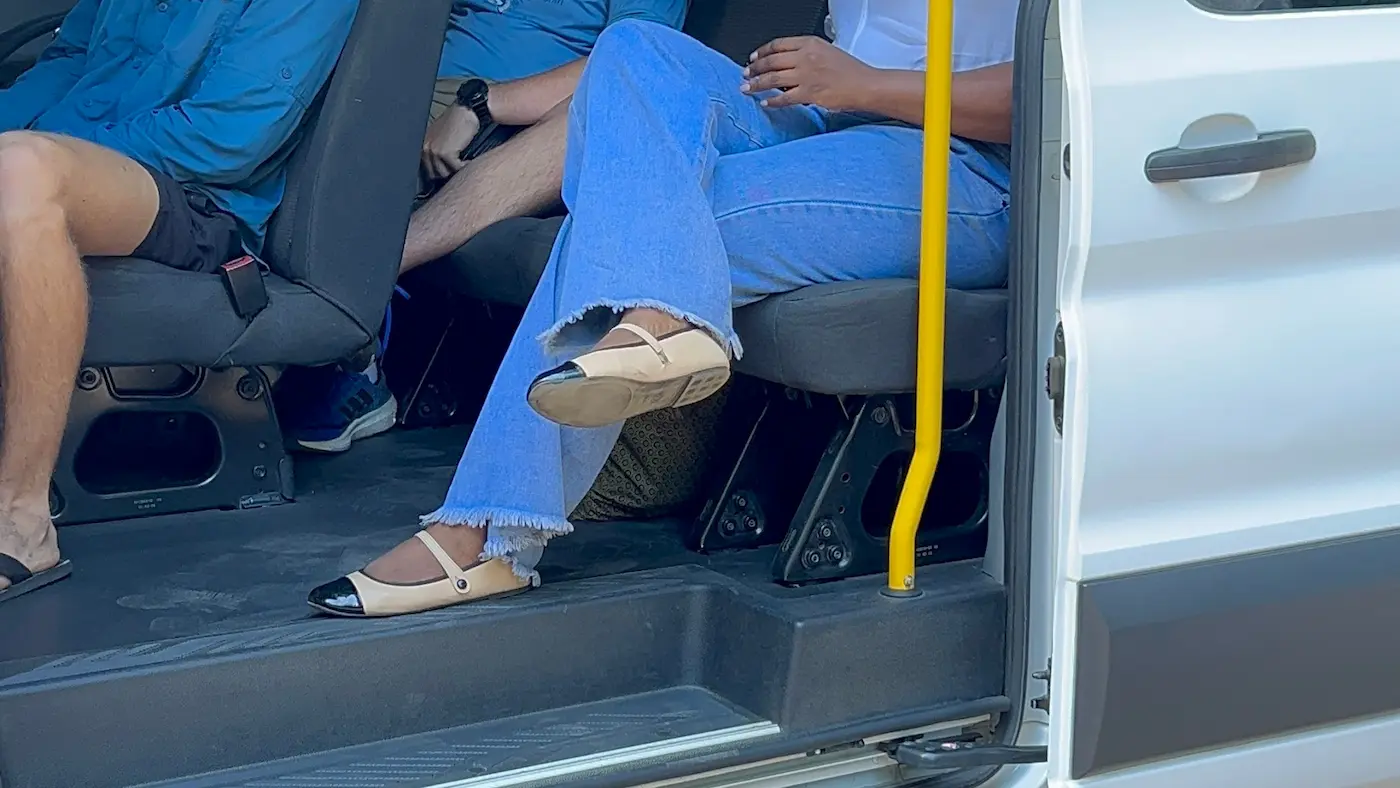
- Can medication be kept cool during road transfers?
- Will there be long periods away from the lodge during activities?
Travellers should also be careful during game drives and road transfers. Medication should not be left in a hot vehicle, in direct sunlight or against frozen ice packs unless your healthcare provider has advised how to store it safely. A proper medical cooling pouch or travel case may be useful, but this should be discussed with your healthcare provider before departure.
Meals, Snacks and Safari Schedules
Safari meal times can be different from home. Many lodges start the day early, often with coffee before sunrise, followed by a morning game drive and then breakfast later. Lunch may be relaxed, afternoon tea may be served before the evening drive, and dinner may be after dark.
For some travellers with diabetes, this rhythm works well. For others, delayed meals or unfamiliar food can be difficult. The best approach is to discuss your needs before travel and choose lodges that can be flexible.
Useful meal planning ideas:
- Ask whether the lodge can provide early breakfast or simple snacks before game drives.
- Carry suitable snacks during flights, transfers and game drives.
- Tell the lodge in advance if you prefer regular meal times.
- Ask about packed snacks for long road transfers.
- Check whether special dietary requests can be accommodated.
- Avoid assuming that remote lodges can access specific foods at short notice.
This is one reason tailor-made safari planning is valuable. If meal timing is important for your comfort, your itinerary should not be built around rushed transfers, late arrivals or back-to-back activities.
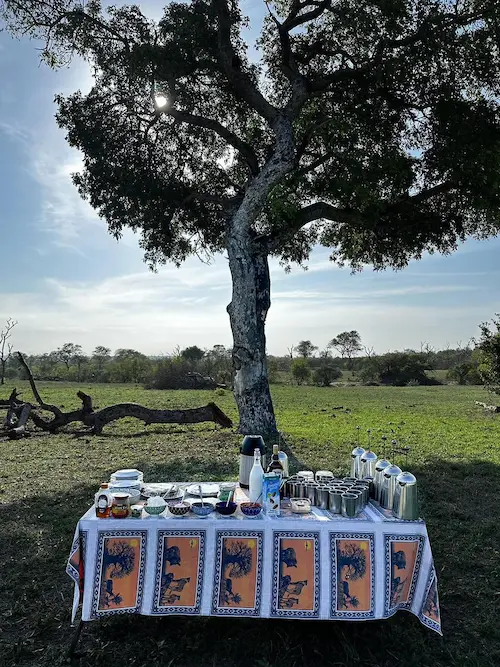
Game Drives and Activity Planning
Game drives are the heart of the safari experience, but they can last several hours. A typical morning or afternoon drive may include time away from the lodge, limited bathroom access and unpredictable return times depending on wildlife sightings.
Travellers with diabetes should think ahead. Bring water, snacks, glucose treatment if advised by your healthcare provider, and any monitoring supplies you may need during the activity. It is also wise to tell your guide privately if you may need to pause, return early or access your supplies during the drive.
Game drive planning tips:
- Choose private game drives where possible.
- Carry your essential supplies in a small day bag.
- Ask how long the game drive normally lasts.
- Ask whether there will be a coffee or snack stop.
- Tell the guide if you may need flexibility.
- Drink enough water, especially in hot weather.
- Do not feel pressured to join every activity if you need rest.
A successful safari is not about doing every drive. It is about enjoying the experience safely and comfortably. Some travellers may prefer one game drive per day with more rest time. Others may enjoy the full safari rhythm. Both approaches are valid.
Why Private Safaris May Be Better for Travellers with Diabetes
A private safari gives travellers more control over timing, transfers and daily rhythm. This can be especially helpful for travellers with diabetes because the itinerary can be shaped around meal times, medication routines, rest stops and personal comfort.
On a private safari, it may be easier to stop during road transfers, request earlier meals, return from activities when needed and communicate directly with your guide. This does not mean every traveller with diabetes must book a private safari, but it can remove many avoidable stresses.
For travellers who want Big Five wildlife with a higher level of flexibility, a Private Kruger Safari can be a strong option. Private Kruger and Greater Kruger itineraries can be designed with suitable lodges, private transfers and a more comfortable pace.
Consider a Private Kruger Safari
If you prefer a safari with more flexibility around meals, transfers, game drives and rest time, a private Kruger safari may be a better fit than a fixed group itinerary.
Explore Private Kruger SafarisFamily Safari Planning with Diabetes
Diabetes travel planning is not only for adults. Families may also travel with children, teenagers, parents or grandparents who have diabetes. In these cases, the safari should consider the whole family’s comfort and routine.
A child or teenager with diabetes may need more structure around meals, snacks, rest and monitoring. Older travellers may prefer shorter transfers, fewer lodge changes and easier access to medical support. Multi-generational families may need a balance between exciting safari experiences and gentle pacing.
Families can explore suitable options through our Family Safari Destinations page, where the focus is on matching the right destination to the family’s needs, age range and travel style.
Family-friendly planning ideas:
- Choose fewer destinations and longer stays.
- Book private transfers instead of shared shuttles.
- Ask about family rooms or interleading rooms.
- Check whether meals can be served earlier for children.
- Carry snacks during flights, transfers and game drives.
- Make sure one or more adults understand the traveller’s diabetes plan.
- Choose lodges with a comfortable place to rest between activities.
Choosing the Right African Safari Destination
The best safari destination depends on your health needs, travel style and comfort with remote areas. Some travellers want luxury lodges and easy logistics. Others want wilderness and adventure. Both can be possible, but the level of planning will differ.
South Africa and Kruger
South Africa is often a practical choice because it offers good tourism infrastructure, many lodge styles, private transfers, family-friendly options and excellent safari areas. Kruger and the Greater Kruger region can work well for travellers who want strong wildlife viewing with a range of accommodation levels.
Victoria Falls
Victoria Falls can work well as a short add-on to a safari. It offers hotels and lodges with easier access to town facilities, but travellers should consider heat, walking distances, activity timing and hydration, especially during warmer months.
Namibia
Namibia offers wide open landscapes and beautiful lodge stays, but driving distances can be long. Travellers with diabetes should avoid rushed self-drive itineraries and consider whether medication storage and meal timing will be easy across remote areas.
Botswana
Botswana offers exceptional wilderness experiences, but many camps are remote and may require light aircraft transfers. This can be wonderful for some travellers, but those with medical considerations should ask detailed questions about camp facilities, refrigeration, evacuation procedures and medical access.
Questions to Ask Before Booking
Before confirming your safari, ask detailed questions. This is not being difficult. It is responsible travel planning.
- How far is the lodge from the nearest airport or town?
- How long are the road transfers?
- Can transfers be private?
- Does the lodge have reliable electricity?
- Is there a fridge in the room or safe medication storage?
- Can the lodge assist with early meals or snacks?
- Can game drives be private or shortened if needed?
- How long are the morning and afternoon game drives?
- Is there mobile signal or Wi-Fi?
- How far is the nearest clinic or hospital?
- Does your travel insurance cover diabetes and safari travel?
- What happens if you need medical assistance while at the lodge?
How Tourgy Tourz Can Help
Tourgy Tourz can help travellers with diabetes plan African safaris with more confidence by focusing on practical details. We can recommend suitable safari regions, private transfers, flexible lodges, slower itineraries and family-friendly options where needed.
We can also communicate important travel requests to lodges before arrival, such as meal timing, room location, refrigeration questions and transfer preferences. While we cannot give medical advice, we can help shape the travel experience around your comfort and practical needs.
Our Accessible Africa Safaris page is a helpful starting point for travellers who need additional planning support, whether related to mobility, medical equipment, age, family needs or health-conscious safari logistics.
Plan a More Comfortable African Safari
If you are travelling with diabetes and want a safari planned around comfort, timing, privacy and practical logistics, our team can help you explore suitable options.
Explore Accessible Africa SafarisFinal Thoughts
Travelling to Africa with diabetes is not about avoiding adventure. It is about planning adventure wisely. A safari can be a beautiful experience, but it should be designed with respect for your health routine, comfort and confidence.
The right itinerary may include fewer lodge changes, private transfers, carefully selected accommodation, realistic game drive schedules and proper communication before arrival. With good preparation and advice from your healthcare provider, many travellers with diabetes can enjoy Africa in a way that feels exciting, safe and well supported.