Zimbabwe • Hwange • Best Time
Best Time to Visit Hwange National Park
The best time to visit Hwange is the dry season, from July to October. With little water elsewhere, wildlife crowds around the park's waterholes, and the famous elephant herds are at their most impressive. The green season, from November to April, brings lush scenery, newborn animals, superb birding and lower rates.
At a glance
- Best for big game: July to October
- Peak elephant viewing: September and October
- Best for birds and baby animals: November to March
- Best value: the green season and the shoulder months
- Coolest months: June and July (cold early mornings)
Why the dry season is so good in Hwange
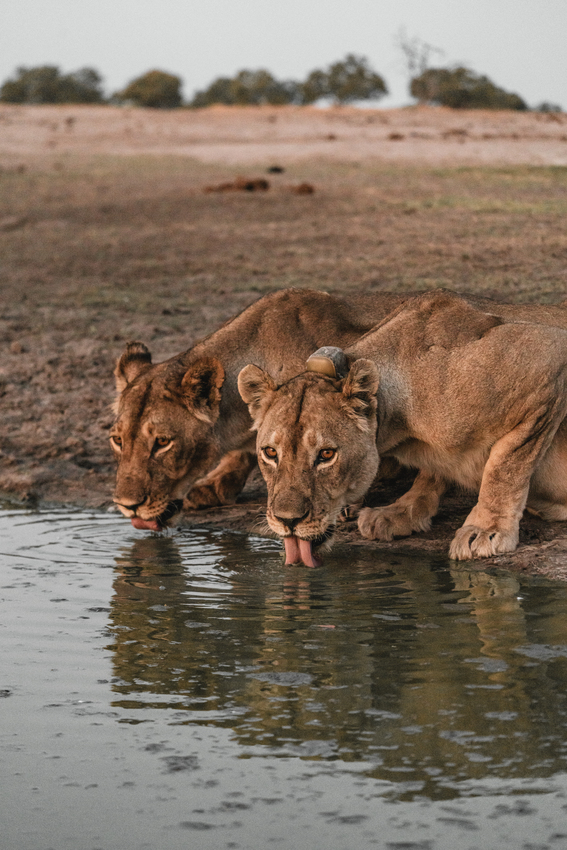
Hwange has few permanent rivers, so much of its wildlife depends on waterholes, many of them kept full by pumps. As the bush dries out, animals have to visit these waterholes to drink, which makes them much easier to find. Elephants arrive in large family groups, and predators such as lions follow the prey.
Hwange month by month
| Months | Season | What to expect |
|---|---|---|
| January–March | Green season | Warm with afternoon storms. Lush scenery, newborn animals and excellent birding. Animals spread out, so game is harder to find. |
| April–May | Shoulder | Rains ease, the bush is green and the light is beautiful. Good value. |
| June–July | Early dry season | Cool, clear days and cold early mornings. Wildlife starts to concentrate at waterholes. |
| August–October | Peak dry season | Hot and dry. Outstanding game viewing, with big elephant herds at the waterholes. Peak demand, so book early. |
| November–December | Start of the rains | The first rains arrive. Migrant birds return and many animals give birth. |
The green season: a hidden gem
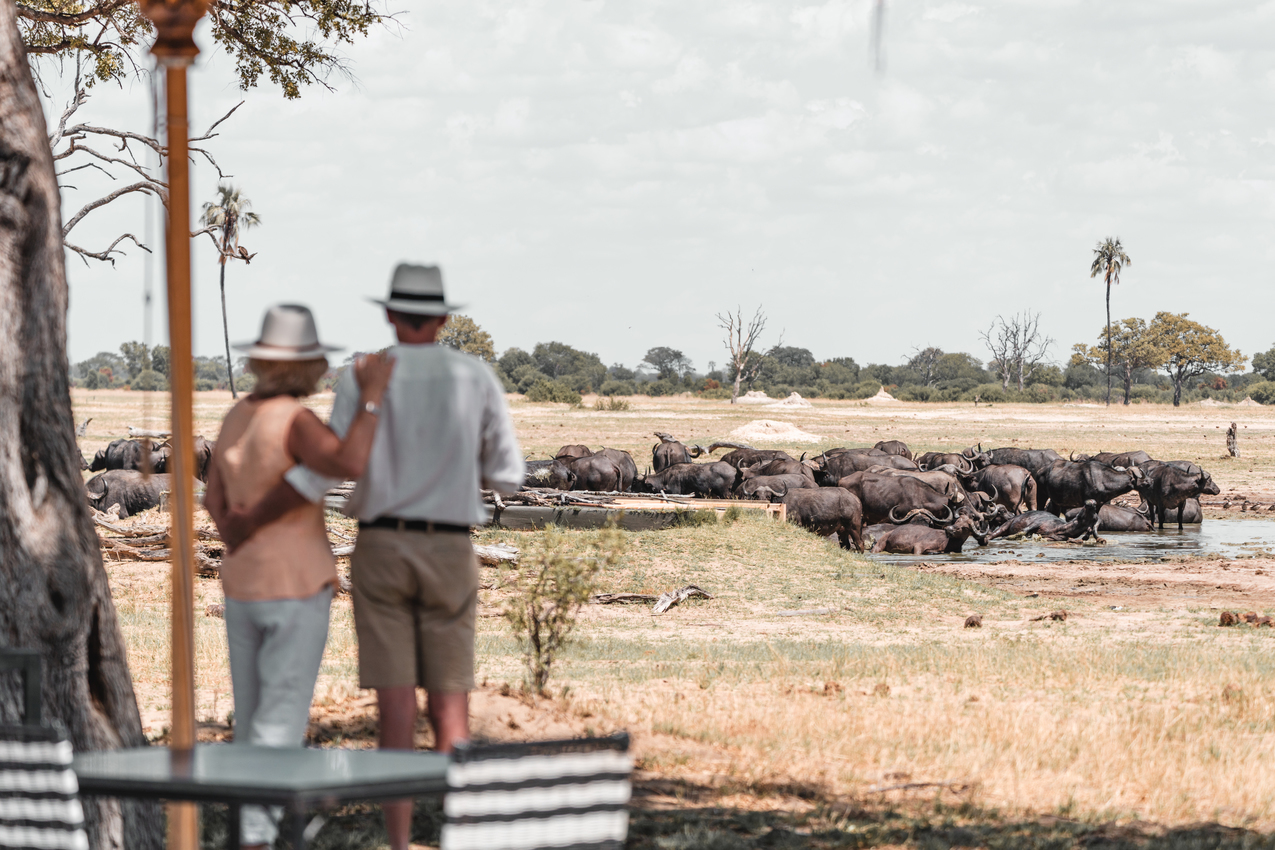
Don't overlook the rainy months. The landscape turns green, the skies are dramatic, and the bush is full of baby animals. Birdlife is at its best, with migrant species arriving from as far away as Europe. Rates are often lower, and there are fewer visitors. Game can be more spread out, but expert guides still find plenty.
What to pack for each season
- June to August: warm layers, a fleece, a beanie and gloves for early morning drives
- September to October: light, breathable clothing, a hat and plenty of sunscreen
- November to April: a light rain jacket and insect repellent
- All year: neutral-coloured clothes, binoculars and comfortable walking shoes
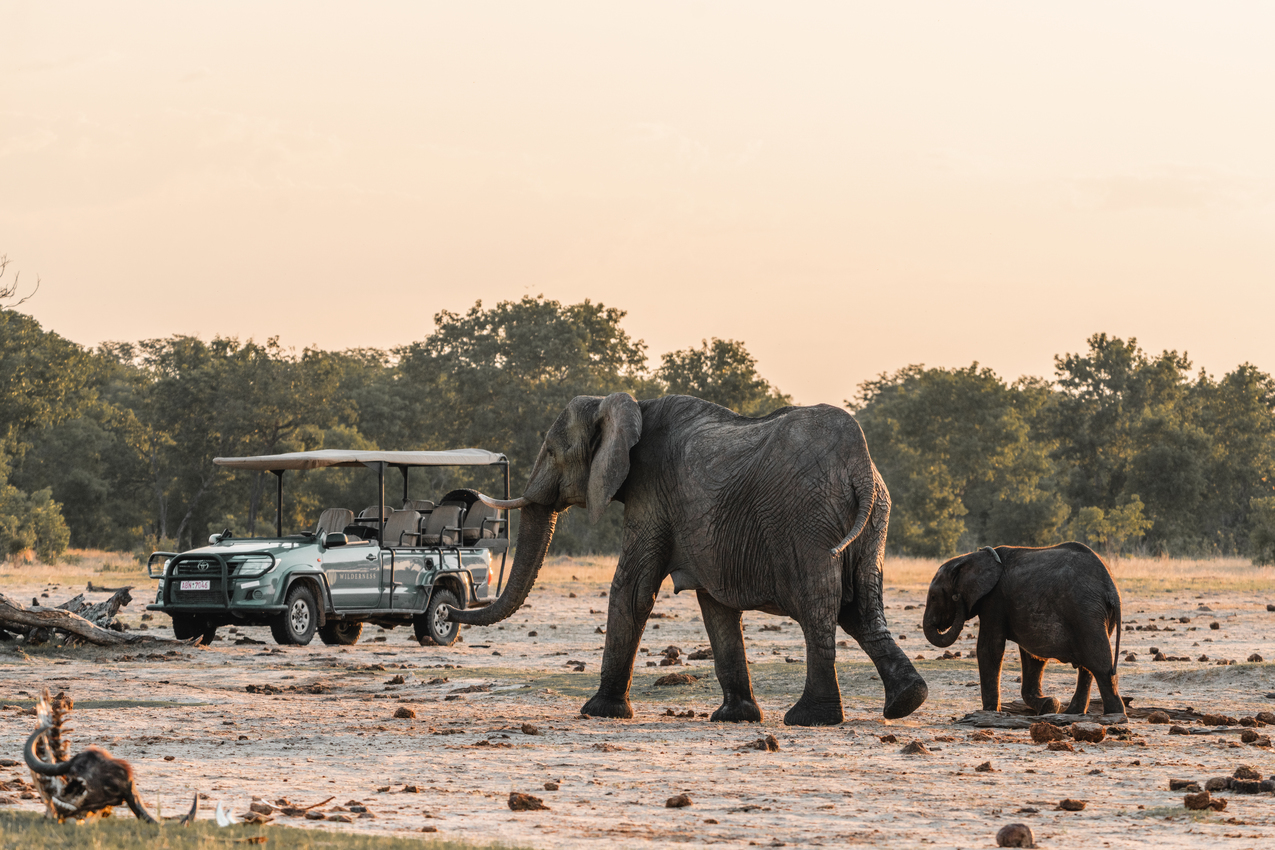
At the end of a dry-season day, the waterhole becomes a stage: elephants arrive in the golden light, and the whole camp falls quiet to watch.
Combining Hwange with Victoria Falls
Timing matters if you're adding Victoria Falls. The Falls are fullest from around March to May, while Hwange's game viewing peaks later in the year. See our guides to the best time to visit Victoria Falls and combining Victoria Falls and Hwange.
Ready to choose a camp? Compare them in where to stay in Hwange.
Frequently asked questions
When is the best time to visit Hwange?
The dry season, from July to October, is the best time for game viewing, when wildlife gathers at the waterholes. September and October are peak months for elephants.
Is the green season a good time to visit Hwange?
Yes, for birding, baby animals, lush scenery and lower rates. Wildlife is more spread out, but good guides still find plenty.
How cold does Hwange get?
June and July bring cold early mornings and evenings, so pack warm layers for game drives. Days are usually mild and sunny.
When should I book a Hwange safari?
For August to October, book well ahead, as the small camps fill quickly in peak season.
Plan your Hwange safari at the right time
Tell us when you'd like to travel, and we'll advise on the best camps and combinations for those dates.
Read Our Hwange Safari Guide WhatsApp Us