Travelling with a CPAP Machine on Safari in Africa
Travelling with a CPAP machine on safari is absolutely possible, but it needs to be planned properly before your trip is confirmed. Safari lodges can be remote, power systems vary from one property to another, and some camps rely on generators or solar power. For travellers who use CPAP therapy every night, these practical details matter.
A CPAP machine, which stands for Continuous Positive Airway Pressure, is commonly used by people with sleep apnea. It gently pushes air through a mask while the person sleeps, helping to keep the airway open. For many travellers, it is an important part of sleeping safely and comfortably away from home.
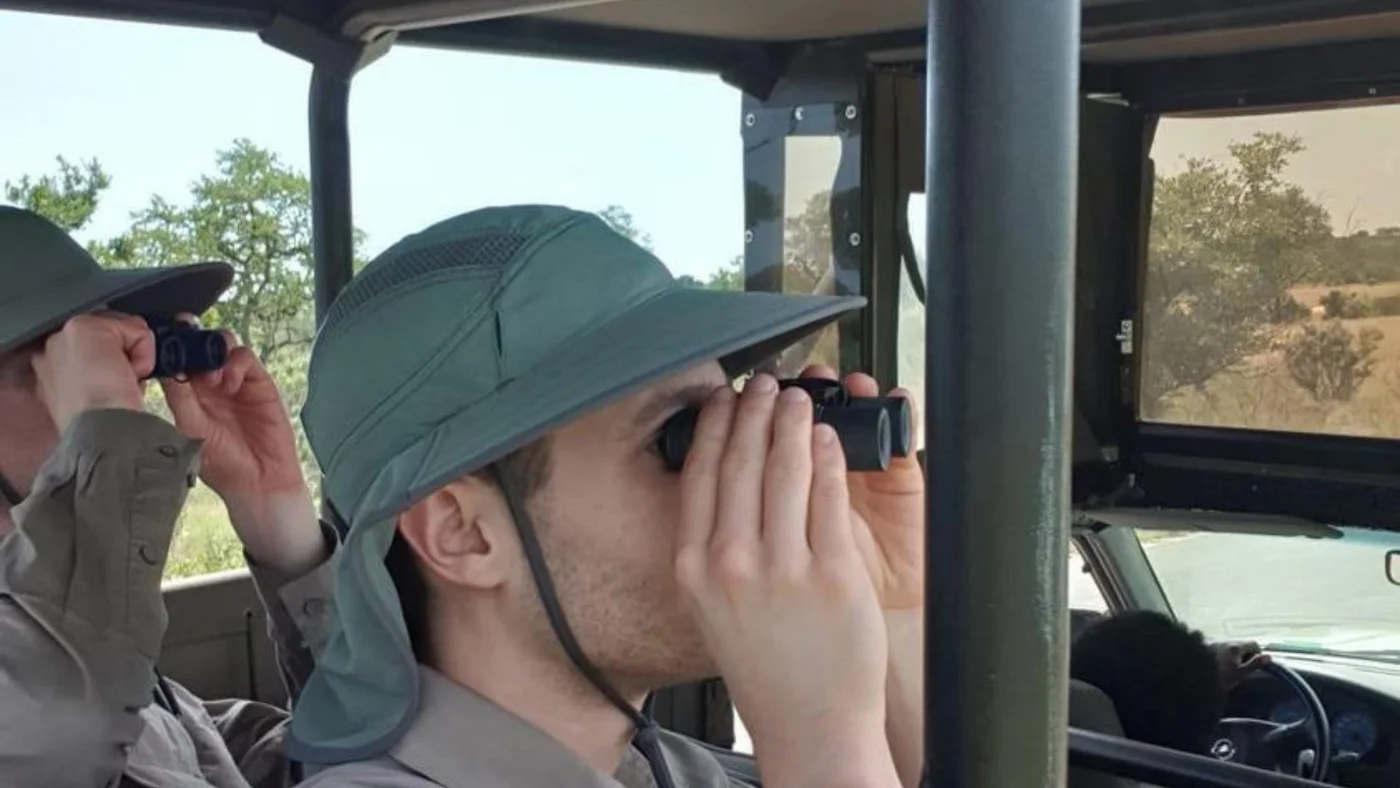
Accessible Africa Safaris
Private safari planning for travellers with mobility needs, medical equipment or special room requirements.
View Accessible SafarisAccessible Kruger Safari
Kruger can work well for CPAP users when lodges, power and transfers are checked in advance.
Read Kruger GuideRequest a Custom Quote
Need help checking lodge power, plug points or room suitability before booking?
Plan My SafariWhat Is a CPAP Machine?
A CPAP machine is a medical device often prescribed for people with obstructive sleep apnea. It provides a steady flow of air through a mask while the person sleeps, helping to keep the airway open and improve breathing during the night.
A typical CPAP setup may include:
- The CPAP machine itself
- A power cord or power supply unit
- A breathing tube
- A face mask or nasal mask
- A humidifier chamber on some models
- Filters and spare parts
- A travel case
Some travellers use full-size CPAP machines, while others use smaller travel CPAP machines. Both can be taken on safari, but each has different power and packing requirements.
Why CPAP Planning Matters on Safari
Safari lodges are not always like city hotels. Some are in remote areas, private reserves, national parks, deserts or wilderness locations. This is part of what makes safari special, but it also means power supply must be checked properly.
Before confirming a safari, CPAP users should consider:
- Does the lodge have electricity in the room all night?
- Is there backup power during outages?
- Are plug points located close to the bed?
- Will an extension cord be needed?
- Does the lodge use generator or solar power?
- Are there scheduled electricity times?
- Can batteries be charged during the day?
- Is distilled or suitable water available for humidifier use?
- Is the room easy to reach if the traveller also has mobility needs?
These questions should be asked before the quote is finalised, not after the safari is booked.
Best Safari Style for CPAP Users
The best safari for CPAP users is usually one that avoids unnecessary uncertainty. Remote adventure can still be possible, but only when power and lodge logistics are clear.
Do Safari Lodges Have Power for CPAP Machines?
Many safari lodges do have electricity, but the setup can vary. Some lodges are connected to main power grids. Others use generators, solar systems, inverters or a combination of power sources.
When planning a safari with a CPAP machine, ask the lodge or travel planner:
- Is electricity available inside the room overnight?
- Is power available 24 hours?
- Is there generator backup?
- Does the lodge switch off power at certain times?
- Is there a plug point close to the bed?
- Can an extension cord be provided?
- Can batteries be charged safely during the day?
- Does the lodge need advance notice of CPAP use?
Should You Bring a CPAP Battery on Safari?
A CPAP battery can be very useful on safari, especially if you are staying in remote lodges, tented camps, mobile camps or areas where electricity may be limited.
A battery may help if:
- The lodge uses generator power
- There are occasional power interruptions
- You are staying in a remote camp
- You are travelling during load shedding or local power instability
- You need peace of mind during overnight use
- You have a travel CPAP machine compatible with battery use
Before buying or packing a battery, check compatibility with your CPAP model. Not every battery works with every machine, and some airlines have rules for lithium batteries.
Flying with a CPAP Machine to Africa
Most international travellers fly with their CPAP machine as part of their medical equipment. It is usually safer to keep the machine in your hand luggage rather than checked luggage, because checked bags can be delayed, damaged or misplaced.
Before flying, consider:
- Pack the CPAP machine in its travel case
- Keep the mask, tubing and power supply together
- Carry a copy of your prescription or medical letter if available
- Check airline rules for medical devices
- Check lithium battery limits if travelling with a battery
- Empty the humidifier chamber before packing
- Keep spare filters and mask parts in your luggage
If you plan to use your CPAP machine during a flight, speak to the airline before departure. Some airlines may require advance approval, specific batteries or seat power compatibility checks.
Will a CPAP Machine Count as Carry-On Luggage?
In many cases, CPAP machines are treated as medical equipment rather than ordinary luggage, but rules can vary by airline and country. Travellers should confirm this directly with their airline before travel.
Even when a CPAP bag is allowed separately, it is wise to avoid overpacking the CPAP case with unrelated items. Keep it clearly identifiable as medical equipment.
Plug Adapters for CPAP Machines in Africa
African countries use different plug types, so CPAP users should pack the correct adapters for each destination.
For Southern and East Africa, you may need adapters depending on whether you are travelling to:
- South Africa
- Zimbabwe
- Zambia
- Botswana
- Namibia
- Kenya
- Tanzania
- Uganda
- Seychelles
- Zanzibar
Many modern CPAP machines support international voltage, but travellers should check the label on the device or power brick before departure. If unsure, ask the CPAP supplier or doctor before travelling.
Should You Bring an Extension Cord?
Yes, an extension cord is very useful for CPAP travel. In some lodges, the plug point may not be close to the bed, or the room layout may not suit the machine placement.
Pack:
- A lightweight extension cord
- Correct plug adapters
- A multi-country travel adapter
- A power bank for smaller electronics
- A dedicated CPAP battery if required
Do not overload plugs or use unsafe adapters. Safari lodges may have different power systems, and safety should always come first.
Distilled Water and CPAP Humidifiers on Safari
Some CPAP users use a humidifier chamber that requires water. Distilled water may not always be easy to find in remote safari areas, so this should be planned before travel.
Options to discuss with your doctor or CPAP supplier include:
- Using distilled water where available
- Buying suitable water in a city before travelling to remote areas
- Using bottled water temporarily if advised by your CPAP provider
- Using a travel CPAP model with waterless humidification if suitable
- Travelling without humidification if medically acceptable for you
CPAP Travel Checklist for Safari
- CPAP machine
- Mask and headgear
- Tubing
- Power cord and power supply
- Correct plug adapters
- Extension cord
- Spare filters
- Humidifier chamber if used
- Distilled water plan
- Battery pack if needed
- Medical letter or prescription if available
- Travel insurance documents
- Cleaning wipes or approved cleaning supplies
- Backup mask cushion if available
Best Safari Destinations for CPAP Users
CPAP users can travel across many safari destinations, but some routes are easier than others because they offer better infrastructure, stronger lodge options and smoother access.
Kruger National Park and Greater Kruger
Kruger is one of the strongest choices for CPAP users because it offers many lodge styles, airport access and private safari planning options. A fly-in Kruger safari can help reduce long travel days, while a private Kruger safari allows more comfortable pacing.
Cape Town and Kruger
Combining Cape Town and Kruger works well because city hotels often have more predictable electricity and Kruger can be planned with selected lodges.
Victoria Falls
Victoria Falls can be a good add-on for CPAP users, especially when staying in established hotels or lodges with reliable room power. It is also a slower-paced destination compared with very remote mobile safaris.
Namibia
Namibia is beautiful but needs careful planning because distances are long and some lodges are remote. CPAP users should check power supply, room plug points and backup systems before booking.
Botswana and Chobe
Botswana and Chobe can work well when using established lodges. Mobile camping safaris require much more detailed CPAP power planning.
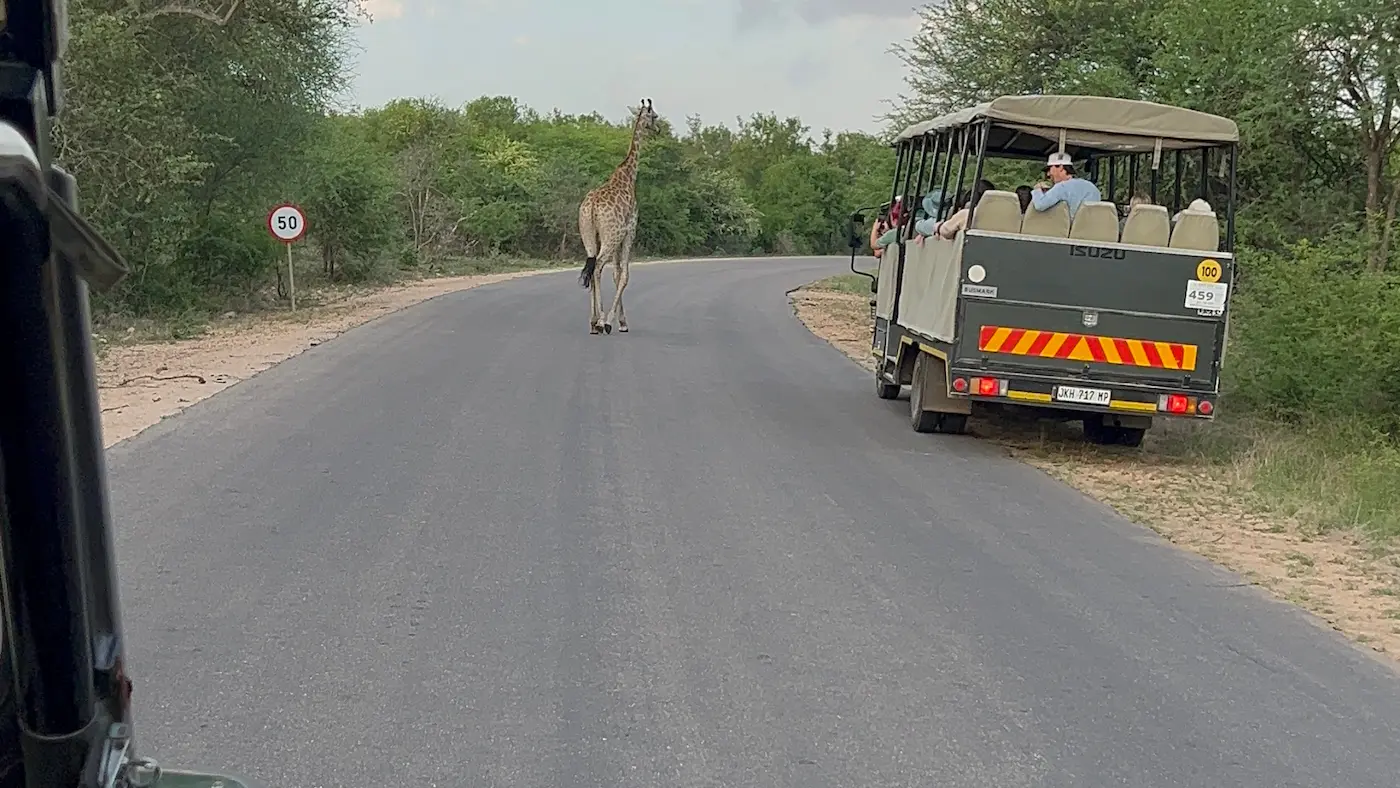
Remote Tented Camps and CPAP Machines
Remote tented camps can be magical, but they require extra planning for CPAP users. Some camps may not have power inside tents throughout the night, while others may offer charging in central areas only.
Before booking a remote camp, ask:
- Is there electricity inside the tent overnight?
- Can a CPAP machine be used in the room?
- Is battery power required?
- Can batteries be recharged during the day?
- Is the camp reachable if urgent support is needed?
- Is the traveller comfortable with remote conditions?
For many CPAP users, a permanent lodge may be more comfortable than a remote mobile camping safari.
What to Tell Your Safari Planner
When enquiring about a safari, tell your travel planner that you travel with a CPAP machine before they start quoting. This helps them select the correct lodges and routes.
Useful information includes:
- Your CPAP machine model
- Whether you use a humidifier
- Whether you need distilled water
- Whether you have a battery
- Whether you need power all night
- Whether you have mobility needs as well
- Whether you need a room close to reception or dining
- Whether you use other medical equipment
CPAP and Senior-Friendly Safari Planning
Many CPAP users are also senior travellers or prefer a slower pace. A senior-friendly safari can reduce fatigue and make the journey more enjoyable.
Good planning choices include:
- Fewer lodge changes
- Private transfers
- Shorter travel days
- Fly-in options where possible
- Comfortable lodges with reliable room power
- Rest time on arrival day
- Private guides who understand the traveller’s needs
You can also read our Senior Friendly African Safaris guide for more comfort-focused planning advice.
CPAP and Accessible Safari Planning
Some CPAP users also travel with wheelchairs, walkers, mobility scooters or other medical equipment. In that case, accessibility planning becomes even more important.
The travel planner should check:
- Room access
- Bathroom suitability
- Distance from room to dining area
- Vehicle access
- Wheelchair or mobility aid storage
- Power access for CPAP and other devices
- Backup electricity
For more detailed advice, read our Accessible Africa Safaris page and Wheelchair Safari Guide.
Common Mistakes to Avoid
- Booking a remote camp without checking overnight power
- Assuming every lodge has plug points near the bed
- Packing the CPAP machine in checked luggage only
- Forgetting plug adapters
- Not checking airline lithium battery rules
- Assuming distilled water will be easy to find in remote areas
- Not telling the safari planner about CPAP use before booking
- Choosing too many one-night stops
Final Thoughts: CPAP Users Can Enjoy Safari with the Right Planning
Travelling with a CPAP machine should not stop you from enjoying an African safari. It simply means the trip needs extra preparation. With suitable lodges, private routing, confirmed power access and the correct travel equipment, CPAP users can enjoy Kruger, Victoria Falls, Namibia, Botswana and other safari destinations with confidence.
The most important step is to mention your CPAP machine early. Once your travel planner knows, they can help choose safari options that are more comfortable, practical and suitable for your needs.
Plan a Safari with CPAP or Medical Equipment Needs
Tourgy Tourz helps travellers plan accessible and senior-friendly African safaris with lodge power checks, private transfers, room suitability checks, CPAP planning and unrushed guides.
View Accessible Africa Safaris Request a Custom Quote