Can Wheelchair Users Go on Safari in Africa?
Yes, wheelchair users can go on safari in Africa. The most important thing is that the safari should be planned properly from the beginning, with suitable rooms, private transfers, realistic travel times, accessible activities and guides who understand that the journey should feel calm, dignified and unrushed.
A safari is not only about walking or climbing in and out of vehicles. Much of the experience is visual, scenic and guided. With the right planning, travellers with mobility needs can enjoy wildlife viewing, private game drives, beautiful lodges, river cruises, city touring and multi-country African travel.
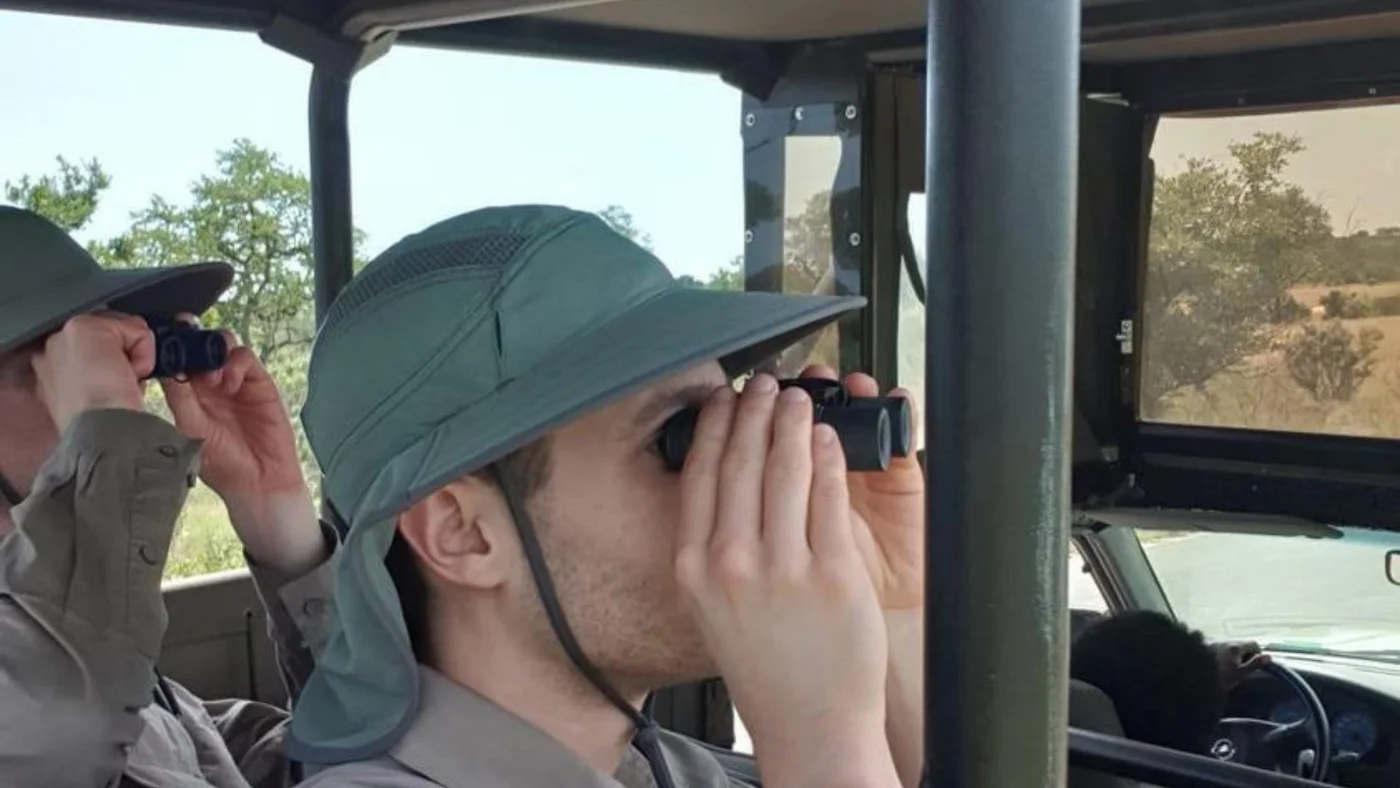
Accessible Africa Safaris
Plan private accessible safaris with wheelchair-friendly rooms, vehicle checks and unrushed guides.
View Accessible SafarisPrivate Kruger Safaris
Kruger is one of the best safari regions to consider for private accessible safari planning.
View Private Kruger SafarisRequest a Custom Quote
Need help checking rooms, ramps, vehicle access or medical equipment requirements?
Plan My Accessible SafariWhat Makes an African Safari Wheelchair-Friendly?
A wheelchair-friendly safari is not only about one accessible room. The whole journey needs to be considered from arrival to departure.
Important accessibility details include:
- Airport assistance and arrival support
- Private transfers with enough space for a wheelchair or mobility aid
- Step-free or easier access at hotels and lodges
- Wheelchair-friendly rooms where available
- Bathroom layout and shower access
- Distance between the room, reception, dining area and activity departure point
- Private game drives or adapted safari vehicles where available
- Unrushed guides and flexible daily pacing
- Backup power and charging points for medical equipment
This is why accessible safari planning should be handled carefully and personally. A lodge may be beautiful, but if the room is far from the main area or the pathways are difficult, it may not be the right choice for that traveller.
Why Private Safaris Are Best for Wheelchair Users
For wheelchair users and travellers with limited mobility, private safaris are usually much better than shared group tours.
Private tours allow time for:
- Boarding and exiting vehicles without pressure
- Extra comfort stops during transfers
- Slower movement between rooms, dining areas and activities
- Flexible game drive times where possible
- Shorter game drives when needed
- More direct communication with the guide
- Personal attention throughout the journey
Group tours can be stressful because they move according to fixed schedules. Accessible travel works better when the itinerary is designed around the traveller, not the other way around.
Can Wheelchair Users Join Game Drives?
Yes, many wheelchair users can enjoy game drives. The correct solution depends on the traveller’s mobility level, wheelchair type and ability to transfer into a safari vehicle seat.
Option 1: Traveller Can Transfer Into the Safari Vehicle
This is the most common option. The traveller may use a wheelchair at the lodge and during transfers, then transfer into the safari vehicle with assistance.
In this case, the planning should check:
- Vehicle height
- Steps into the vehicle
- Available assistance
- Wheelchair storage
- Comfort during the drive
Option 2: Traveller Has Limited Mobility but Does Not Use a Wheelchair Full Time
Many safari travellers are not full-time wheelchair users, but may need extra support because of age, injury, balance, knee problems or general mobility challenges.
These travellers often benefit from:
- Lower-step vehicles where available
- Private drives
- Shorter walking distances
- Ground-floor rooms
- More restful pacing
Option 3: Traveller Needs an Adapted Safari Vehicle
Some travellers require a ramp or adapted safari vehicle. These vehicles are not available everywhere, so they must be requested and checked before confirming the itinerary.
This is why early planning is important. The more specific the accessibility information, the easier it is to match the traveller with suitable suppliers.
Best African Safari Destinations for Wheelchair Users
Not every safari destination is equally easy for wheelchair users. Some destinations have better airports, smoother transfers, better hotel options and more suitable private touring possibilities.
Wheelchair-Friendly Safari Lodges: What to Check Before Booking
When a lodge says it is wheelchair-friendly, it is still important to ask detailed questions. Accessibility can mean different things in different destinations.
Before booking, check:
- Is the accessible room confirmed, not just requested?
- Is the room on the ground floor or accessible by lift?
- Are there steps between the room and main lodge area?
- Is the bathroom suitable for the traveller’s needs?
- Is there a roll-in shower or step-free shower?
- Are grab rails available?
- How far is the room from reception and dining areas?
- Are pathways paved, gravel, sand or uneven?
- Can the wheelchair fit through the bedroom and bathroom doors?
- Is there backup power for medical equipment?
This level of checking can prevent serious problems during travel.

Medical Equipment on Safari
Many accessible safari travellers need to travel with medical equipment or mobility support items. This may include CPAP machines, medication that needs cooling, walking frames, portable oxygen, mobility scooters or wheelchairs.
Before confirming a safari, travellers should ask about:
- Plug points in the room
- Power supply and backup generator or solar support
- Battery charging access
- Medication refrigeration
- Wheelchair or mobility aid storage
- Airport assistance
- Transfer vehicle space
- Travel insurance for medical equipment
Can Travellers with Hearing or Visual Impairments Enjoy Safari?
Yes. Safari is a very sensory experience, and private guiding can make the journey much more comfortable for travellers with hearing or visual impairments.
For Travellers with Hearing Impairments
Helpful options include written daily itineraries, WhatsApp communication, front-row seating where possible and private guides who can pause, point, type or write information during tours.
For Travellers with Visual Impairments
Descriptive guiding is very important. A good guide can describe animal behaviour, landscapes, distances, sounds and movement in detail. Boat cruises, cultural experiences and nature sounds can also become meaningful parts of the journey.
Accessible River Cruises and Boat Safaris
River cruises can be excellent for travellers with mobility needs because they allow wildlife viewing without long road-based game drives.
Good options may include:
- Victoria Falls sunset cruises
- Chobe River safaris
- Selected Cape Town and coastal cruises
- Knysna Lagoon cruises on Garden Route itineraries
Before booking a cruise, check ramp access, boarding steps, wheelchair storage, restroom access and crew assistance.
How to Plan a Wheelchair-Accessible Safari Step by Step
What to Tell Your Safari Planner
The more information you share, the better the safari can be planned.
Useful details include:
- Do you use a manual wheelchair, electric wheelchair or mobility scooter?
- Can you transfer into a normal vehicle seat?
- Can you walk short distances with support?
- Do you need a roll-in shower?
- Do you need a lift or ground-floor room?
- Are you travelling with CPAP, oxygen or medication refrigeration needs?
- Do you prefer shorter drives?
- Are bathroom stops needed during transfers?
- Are you comfortable on gravel paths?
These questions are not meant to make travel feel complicated. They help create a better and safer experience.
Is an Accessible Safari More Expensive?
Accessible safaris can sometimes cost more because they often require private transfers, private guiding, specific accommodation and additional vehicle planning.
However, not every accessible safari has to be ultra-luxury. The final cost depends on:
- Destination
- Lodge level
- Vehicle requirements
- Number of travellers
- Length of stay
- Season
- Amount of private guiding required
For many travellers, the value comes from comfort, reduced stress and knowing that the details have been checked before arrival.
Can a Wheelchair Safari Be Combined With Cape Town, Victoria Falls or Namibia?
Yes. A wheelchair-accessible safari can be combined with city, waterfall, river cruise and desert experiences when the route is planned carefully.
Popular combinations include:
- Cape Town and Kruger
- Kruger and Victoria Falls
- Victoria Falls and Chobe
- Namibia accessible travel planning
- Botswana and Chobe safaris
Final Thoughts: Wheelchair Users Can Absolutely Experience Safari
A wheelchair user can absolutely go on safari in Africa. The secret is not to force the traveller into a standard itinerary. The safari should be designed around their comfort, mobility needs, pace and travel goals.
With suitable lodges, private vehicles, careful supplier checks and guides who understand the assignment, an African safari can be one of the most memorable travel experiences for wheelchair users and travellers with limited mobility.
Plan a Private Accessible Safari in Africa
Tourgy Tourz helps travellers plan accessible African safaris with wheelchair-friendly rooms, private transfers, vehicle access checks, medical equipment planning and unrushed private guides.
View Accessible Africa Safaris Request a Custom Quote