Tanzania • Ngorongoro
Ngorongoro Crater Safari Guide: Rhinos, Lions & a Lost World
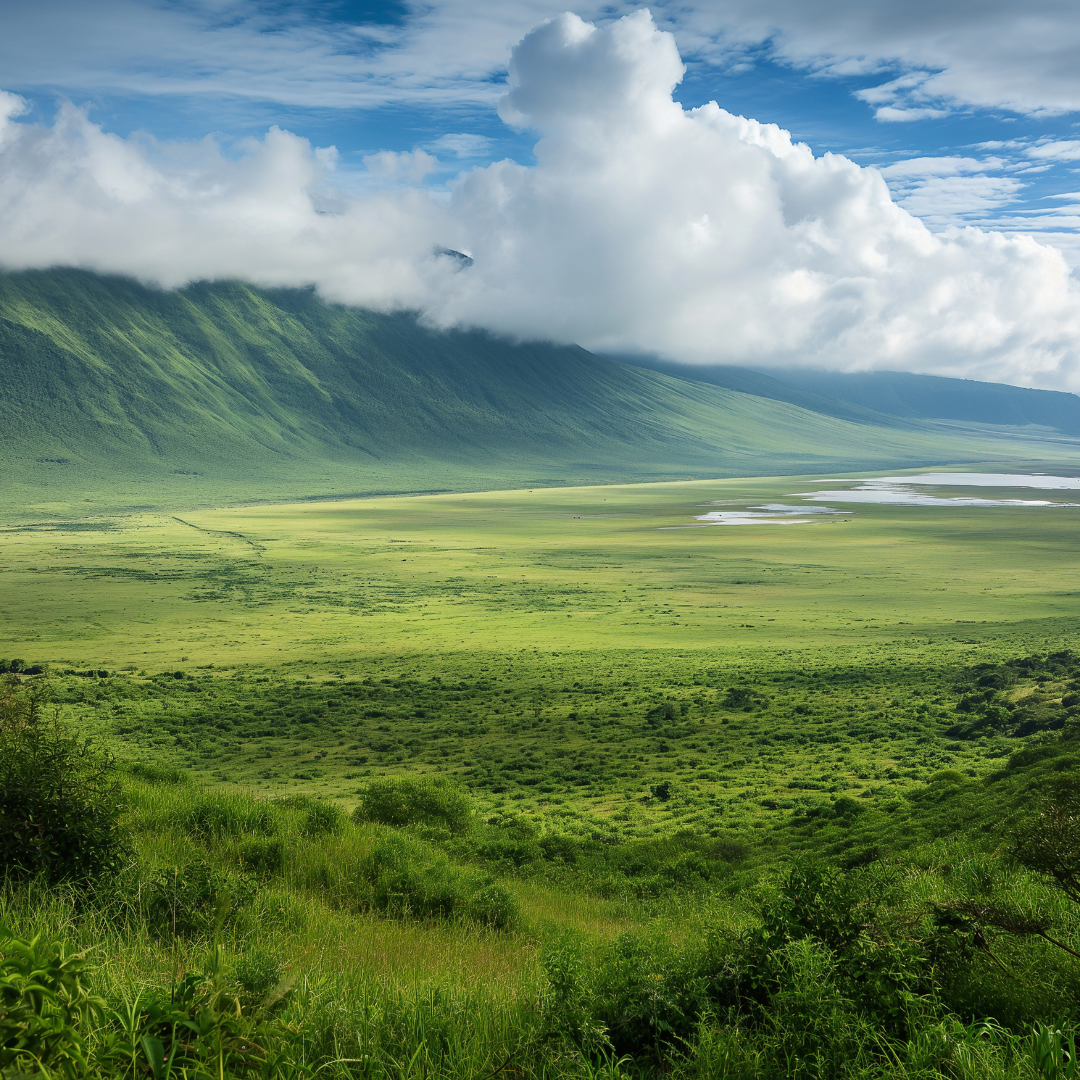
Standing on the rim of the Ngorongoro Crater, you look down 600 metres into a green world where black dots slowly become buffalo, zebras and elephants. This collapsed volcano is the world's largest unbroken caldera and one of the densest wildlife areas in Africa. A day inside it is the highlight of many Tanzania safaris.
Ngorongoro at a glance
- What it is: a collapsed volcano, about 260 km² and roughly 600 m deep
- Famous for: black rhinos, lions, huge buffalo herds and flamingos
- Status: part of the Ngorongoro Conservation Area, a UNESCO World Heritage Site
- Time needed: one full day in the crater, with a night on the rim
- Getting there: about 3 to 4 hours' drive from Arusha
What animals can you see in the Ngorongoro Crater?
The crater floor holds a remarkable concentration of wildlife all year round:
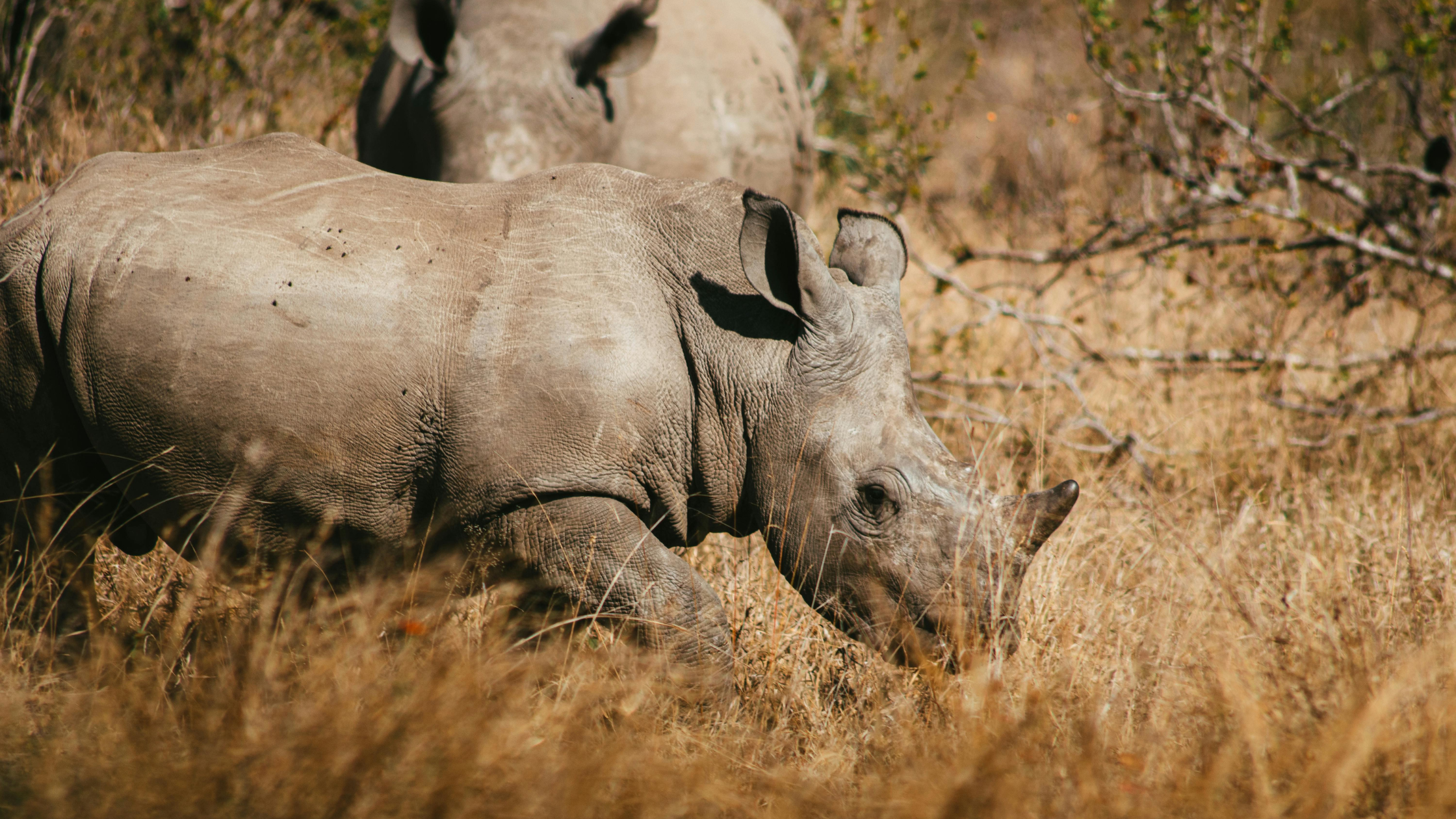
- Black rhinos: one of the best places in East Africa to see these critically endangered animals in the wild
- Lions: prides often rest close to the tracks
- Elephants: mostly big old bulls with impressive tusks
- Buffalo, zebras and wildebeest in large herds
- Hyenas, jackals and servals
- Hippos in the Ngoitokitok spring and other pools
- Flamingos on Lake Magadi, the crater's soda lake
You won't see giraffes or impalas on the crater floor, as there is little suitable food for them there.
How does a crater day work?
Early morning
Descend at first light
Leave your rim lodge early to be among the first vehicles down the steep descent road. Mornings are best for active predators and soft light.
Midday
Picnic by the water
Enjoy a picnic lunch at a designated site beside a hippo pool. Keep food inside the vehicle, as the kites are bold!
Afternoon
Climb back to the rim
Time on the crater floor is limited for each vehicle, which protects the wildlife. Your guide plans the day so you make the most of it.
Where to stay: the crater rim or nearby?
On the rim: lodges perched on the edge give spectacular views and an early start into the crater. Expect cool nights, as the rim is over 2,200 metres high.
Karatu and the highlands: a short drive away, with lovely farm lodges and coffee estates, often at a lower cost.

More to see in the Ngorongoro Conservation Area
- Olduvai Gorge: one of the world's most important sites for understanding human origins, with a small museum on the way to the Serengeti.
- Maasai culture: Maasai people live and graze their cattle in the conservation area alongside wildlife. Ask us about respectful community visits.
- Empakaai Crater: a beautiful hike down to a crater lake, often with flamingos, for those with extra time.
- The Ndutu area: in the calving season, the herds gather here. Read our calving season guide.
Best time to visit the Ngorongoro Crater
The crater is excellent all year because the wildlife lives there permanently. The dry season, June to October, offers easier viewing. From November to May, the crater is green and beautiful, and it's often combined with calving season in the nearby southern Serengeti.
Is the Ngorongoro Crater worth it?
Yes. It can be busy at popular sightings, and crater fees are significant, but nowhere else lets you see so much wildlife, including rhinos, in such a dramatic setting in a single day. Pair it with the wide-open Serengeti for the perfect contrast. See our 7-day Northern Circuit itinerary and our Serengeti safari guide.
You stop beside a quiet pool as the mist lifts off the crater walls. A black rhino steps out of the grass, and for a moment it feels as if the world began right here.
Frequently asked questions
What animals are in the Ngorongoro Crater?
The crater is home to black rhinos, lions, elephants, buffalo, zebras, wildebeest, hyenas, hippos and flamingos. There are no giraffes on the crater floor.
Can you see black rhinos in the Ngorongoro Crater?
Yes. The crater is one of the best places in East Africa to see wild black rhinos, although sightings are never guaranteed.
How long do you need in the Ngorongoro Crater?
One full day on the crater floor is ideal, with a night on the crater rim or in nearby Karatu.
Is the Ngorongoro Crater worth visiting?
Yes. Its density of wildlife, chance of black rhinos and dramatic setting make it one of Africa's most rewarding safari days.
How far is the Ngorongoro Crater from Arusha?
The crater is about a 3 to 4 hour drive from Arusha, and it's on the main route to the Serengeti.
Add the Ngorongoro Crater to your safari
We'll plan your crater day, rim lodge and Serengeti connection around the season.
Explore Tanzania Safaris Request a Quote WhatsApp Us