A Namibia self-drive safari is unforgettable because the journey itself becomes part of the experience. You are not only travelling from lodge to lodge. You are crossing open desert, gravel plains, wildlife areas, coastal towns and some of the most cinematic landscapes in Southern Africa.
But Namibia rewards prepared travellers. The country is safe and rewarding for self-drive holidays, but the roads, distances and remote areas require respect. Before planning your route, start with our Namibia Self Drive Safaris page, then use these practical tips to avoid common first-time mistakes.
Quick Answer: What Should First-Time Visitors Know?
- Do not rush Namibia. Distances are long and the best trips need breathing room.
- Avoid night driving. Wildlife, livestock and poor visibility make it risky.
- Choose the right vehicle. A high-clearance SUV or 4x4 is usually best.
- Keep fuel and water topped up. Remote areas require planning.
- Book key lodges early. Sossusvlei, Etosha and Damaraland can fill quickly.
1. Do Not Underestimate Distances
Namibia looks simple on a map, but the distances are serious. Windhoek to Sossusvlei, Sossusvlei to Swakopmund, Swakopmund to Damaraland and Damaraland to Etosha can all involve long driving days.
The mistake many first-time visitors make is trying to include too many places in too few days. Namibia is not a destination where you want to arrive late, sleep, wake up and drive again every day. The magic is in the route, the stops, the silence and the lodge time.
2. Avoid Driving at Night
This is one of the most important Namibia self-drive tips: avoid driving after dark. Wildlife, livestock and donkeys can appear on the road, and visibility is much lower outside towns.
Plan every travel day so you arrive at your lodge before sunset. If your itinerary depends on late arrivals, it is probably too rushed. For more safety guidance, read our full article: Is Namibia Safe for Self Drive?.
3. Rent the Right Vehicle
A cheap small car may save money at first, but it is rarely the best choice for a proper Namibia safari route. Many first-time visitors are more comfortable in a high-clearance SUV or 4x4.
A better vehicle gives you more clearance, more luggage space, better visibility and more confidence on gravel roads. For a full breakdown, read: Best Car for a Namibia Self Drive Safari.
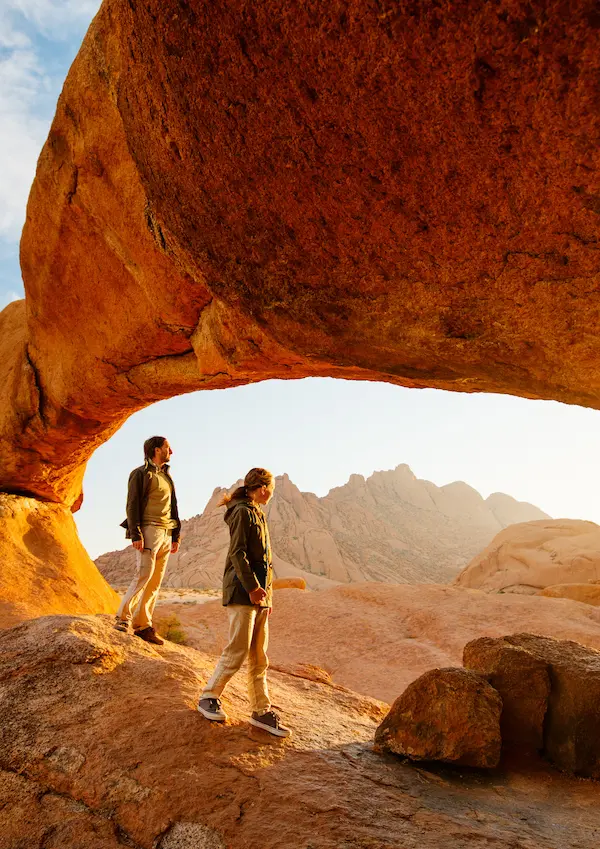
Choose Comfort
Long drives are easier when your vehicle is comfortable, reliable and suitable for gravel roads.
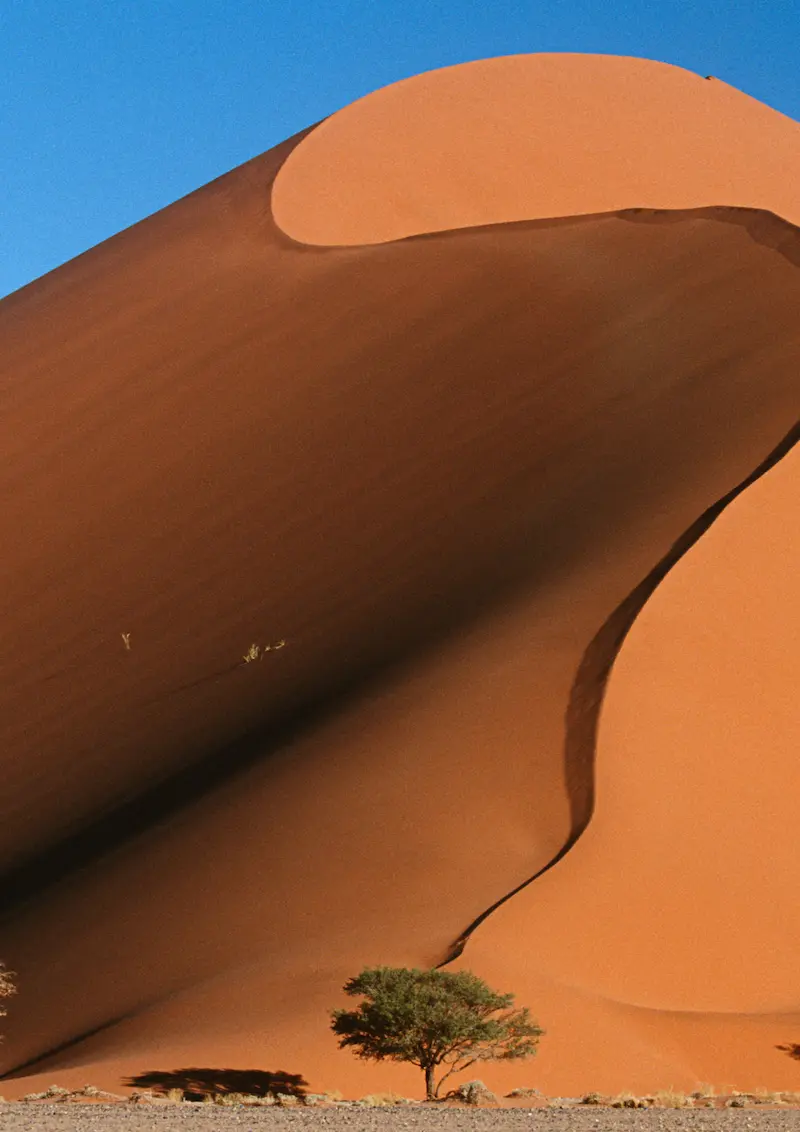
Plan for Gravel
Many classic Namibia routes include gravel roads, so clearance and tyre quality matter.
4. Do Not Rush Your Itinerary
Namibia is best enjoyed slowly. If you only have 7 days, do not try to include every major destination. If you have 10 to 12 days, you can create a much stronger first-time route.
A classic first Namibia route usually includes Windhoek, Sossusvlei, Swakopmund, Damaraland and Etosha. You can compare a ready-made route on our 10 Day Namibian Highlights Tour.
5. Download Offline Maps
Mobile signal can be limited outside towns and remote lodge areas. Do not rely only on live navigation. Download offline maps before leaving Windhoek or Swakopmund.
It is also useful to carry written route notes, lodge directions and emergency contacts. In Namibia, old-school preparation still matters.
6. Keep Fuel Above Half Tank
Fuel stops are not as frequent as in city destinations. A good rule is to fill up whenever you have the chance, especially before remote sections.
Do not wait until the tank is nearly empty. Fuel availability can change, and some stations may have limited supply at certain times.
7. Carry Extra Water
Namibia is dry, hot and remote in many areas. Always carry extra drinking water in the vehicle, even if you are only driving between lodges.
This is especially important when travelling through desert areas, remote gravel routes or long stretches between towns.
8. Drive Slower on Gravel Roads
Gravel roads are one of the biggest surprises for first-time visitors. The roads can look wide and empty, which makes people drive too fast. That is when punctures, skidding and loss of control become more likely.
Drive slower than you think you need to. Keep both hands on the wheel, avoid sudden steering and give yourself more braking distance.
9. Check Tyres Daily
Tyres matter in Namibia. Before leaving each morning, check for visible damage, low pressure or anything unusual. Also confirm that your spare tyre is present and in good condition when you collect the rental vehicle.
A puncture is not the end of the world, but being unprepared can turn a simple issue into a stressful delay.
10. Pack for Temperature Changes
Namibia can be hot during the day and surprisingly cool in the morning or evening. Desert areas, coastal towns and inland safari regions can also feel very different from each other.
Pack layers, a warm jacket, comfortable walking shoes, sunscreen, sunglasses and a hat. Do not only pack for hot weather.
11. Book Popular Lodges Early
Lodges near Sossusvlei, Etosha and Damaraland can fill quickly during popular travel periods. If you wait too long, the best value rooms may be gone.
Booking early also helps create a smoother route because your accommodation determines how far you need to drive each day.
12. Stay Two Nights Where Possible
One-night stops can work in some places, but too many of them make a Namibia trip tiring. Try to stay two nights in key areas such as Sossusvlei, Swakopmund and Etosha.
This gives you time to enjoy the destination instead of simply arriving, unpacking and leaving again.
13. Arrive Before Sunset
Arriving before sunset is not only safer, it also makes the trip feel better. You can check in calmly, enjoy the lodge, have dinner and prepare for the next day.
Late arrivals often mean stress, poor visibility and missing the beauty of the place you paid to experience.
14. Understand Namibia Seasons
Namibia can be visited year-round, but each season has a different feel. Dry months are excellent for Etosha wildlife viewing, while other periods can be beautiful for landscapes and photography.
For broader timing advice, visit our Best Time to Visit Africa guide.
15. Visit Etosha Early
Etosha is one of the best wildlife destinations in Namibia, and early starts can be rewarding. Wildlife is often more active in cooler parts of the day, and waterholes can be productive depending on the season.
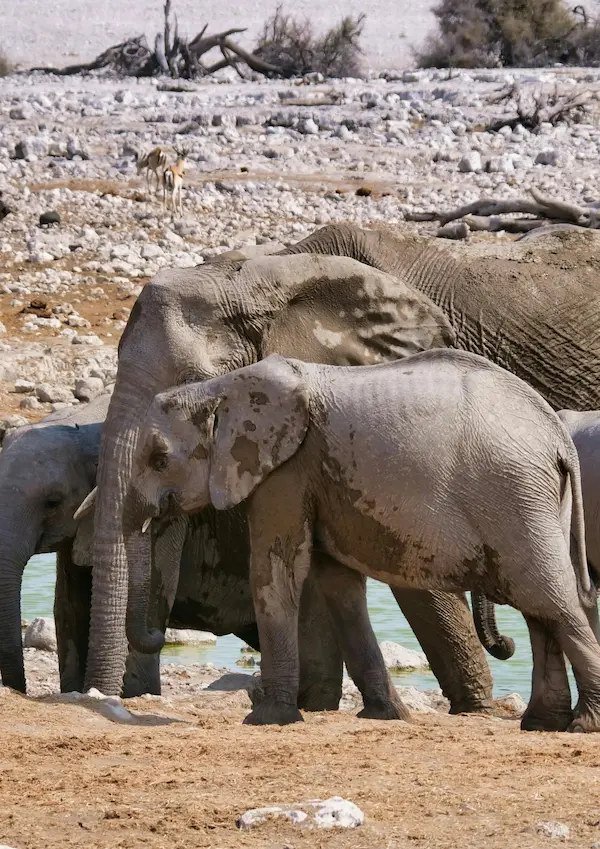
Etosha Self-Drive Tip
Move slowly between waterholes, stay patient and do not treat Etosha like a race. Wildlife viewing rewards calm travellers.
16. Carry Both Cash and Card
Cards are useful in many places, but carrying some cash is still wise for smaller stops, tips, fuel situations or places with unreliable connectivity.
Do not carry all your money in one place. Use normal travel precautions, especially in towns.
17. Keep Expectations Realistic
Not every day in Namibia is a classic safari day. Some days are about landscapes, road journeys, desert views, lodge time or coastal scenery.
That is exactly what makes Namibia special. It is not only about wildlife. It is about the whole journey.
18. Do Not Overpack Activities
Namibia has amazing optional activities: Sandwich Harbour, scenic flights, rhino tracking, guided game drives, Sossusvlei excursions and cultural visits.
But too many activities can make the itinerary feel expensive and rushed. Choose the experiences that matter most to your travel style.
19. Plan Photography Stops
Namibia is one of the most photogenic countries in Africa. Build time into the itinerary for scenic stops, especially in Sossusvlei, Damaraland, Palmwag and along desert roads.
If you are always rushing to the next lodge, you will miss some of the best moments.
20. Respect Wildlife
Whether you are in Etosha or driving through rural areas, respect wildlife and livestock. Do not speed, do not get too close and never leave designated roads in protected areas.
In Etosha, stay inside your vehicle unless you are in designated safe areas.
21. Respect Local Communities
Namibia is not just scenery. It is home to communities, cultures and histories that deserve respect. Ask before taking photos of people, support local businesses where appropriate and follow your guide’s advice during cultural experiences.
22. Use Travel Insurance
Travel insurance is important for any Namibia safari. Make sure your policy covers medical emergencies, travel disruption, rental vehicle excess where applicable and planned activities.
Namibia is remote in many areas, so good insurance gives peace of mind.
23. Understand Park Opening Hours
Parks and protected areas have opening and closing times. This is especially important for Etosha and Sossusvlei.
Do not plan your day as if you can enter or exit whenever you want. Check timings in advance and plan around early starts.
24. Keep Your Vehicle Clean and Organised
Dust is part of the Namibia experience. Keep important items easy to reach: water, snacks, chargers, documents, sunglasses, camera gear and route notes.
A clean and organised vehicle makes long drives easier and reduces stress when you need something quickly.
25. Slow Down and Enjoy Namibia
The biggest Namibia self-drive tip is simple: slow down. Namibia is not designed for rushing. The landscapes are wide, the roads are long and the best moments often happen between the famous stops.
Give yourself time to watch the light change, stop for photos, enjoy a lodge deck, wake up early for the desert and sit quietly at a waterhole. That is where Namibia becomes unforgettable.
Sample First-Time Namibia Self-Drive Route
For most first-time visitors, a good Namibia self-drive route includes Windhoek, Sossusvlei, Swakopmund, Damaraland and Etosha. This gives a strong mix of desert, coast, scenery and wildlife.
| Destination | Recommended Nights | Why Include It? |
|---|---|---|
| Windhoek | 1 night | Arrival, rest, vehicle collection and route preparation. |
| Sossusvlei | 2 nights | Red dunes, Deadvlei, Sesriem Canyon and desert photography. |
| Swakopmund | 2 nights | Coastal break, activities, restaurants and Atlantic scenery. |
| Damaraland | 2 nights | Remote landscapes, culture, desert-adapted wildlife and scenic drives. |
| Etosha | 2–3 nights | Wildlife, waterholes, elephants, lions, rhinos and classic safari viewing. |
| Windhoek | 1 night or departure | Final stop before departure depending on flight times. |
You can compare a ready-made version of this type of route on our 10 Day Namibian Highlights Tour, or read our 12 Day Namibia Safari Itinerary for a longer route inspired by a real Tourgy Tourz educational trip.
Common Mistakes First-Time Visitors Make
Namibia is not difficult to love, but it is easy to plan badly if you do not understand the country. These are the most common first-time mistakes to avoid.
- Trying to visit too many destinations in too few days.
- Driving after dark.
- Choosing the wrong vehicle for the route.
- Underestimating gravel roads.
- Forgetting to download offline maps.
- Not carrying enough water.
- Waiting too long to refuel.
- Booking popular lodges too late.
- Planning long drives after international flights.
- Assuming Namibia is only about wildlife and not landscapes.
Tourgy Tip
A successful Namibia self-drive safari is not about seeing everything. It is about choosing the right route, vehicle and pace for the time you have.
How Much Does a Namibia Self-Drive Safari Cost?
Costs vary depending on vehicle type, lodge level, season, route and activities. A budget trip, mid-range lodge trip and luxury self-drive safari can all look very different.
For a full breakdown of estimated costs, vehicle rental, fuel, park fees and accommodation levels, read our Namibia Self Drive Safari Cost guide.
Final Thoughts: Namibia Rewards Prepared Travellers
Namibia is one of Africa’s best self-drive destinations because it gives travellers freedom, space and variety. You can move from city comfort to red dunes, from coastal towns to desert landscapes, and from remote roads to Etosha wildlife.
The key is preparation. Choose the right vehicle, drive slowly, avoid night driving, plan realistic distances and leave enough room to enjoy the country. Do that, and a Namibia self-drive safari can become one of the most memorable journeys in Southern Africa.
Planning your first Namibia self-drive safari?
Tell us your dates, number of travellers, budget level and travel style. Tourgy Tourz can help you choose the right route, vehicle, lodges and pace for your first Namibia self-drive adventure.
Plan My Namibia Self Drive SafariRelated Namibia Safari Pages
FAQs About Namibia Self Drive Tips
Is Namibia good for first-time self-drive travellers?
Yes. Namibia is one of Africa’s best self-drive destinations for first-time visitors, provided the route is planned carefully and travellers avoid rushing.
Is Namibia difficult to drive?
Namibia is not difficult because of heavy traffic. It is challenging because of long distances, gravel roads, remote areas and the need for careful route planning.
Do I need a 4x4 for Namibia?
A 4x4 is not always compulsory for every route, but a high-clearance SUV or 4x4 is strongly recommended for many classic Namibia self-drive routes.
Is fuel easy to find in Namibia?
Fuel is available in towns and key travel points, but distances can be long. Fill up whenever possible and avoid letting the tank run too low.
Can I self-drive in Etosha National Park?
Yes. Visitors can self-drive in Etosha National Park on designated roads during park opening hours. Guided game drives are also useful for a more relaxed wildlife experience.
How many days do I need for a Namibia self-drive safari?
For first-time visitors, 10 to 12 days is ideal for a route including Windhoek, Sossusvlei, Swakopmund, Damaraland and Etosha.
Is Namibia safe for self-drive travel?
Yes, Namibia is generally safe for self-drive travel when visitors plan properly, drive slowly and avoid night driving. The main risks are usually road-related rather than tourist-crime related.
What is the best route for first-time visitors?
A strong first-time Namibia route usually includes Windhoek, Sossusvlei, Swakopmund, Damaraland and Etosha National Park. This gives a good balance of desert, coast, landscapes and wildlife.