Kruger National Park Birding Guide
Kruger National Park is famous for lions, elephants, leopards and Big Five safari experiences, but birding is one of the park’s most rewarding surprises. Even travellers who arrive mainly for wildlife often leave remembering the colour of a lilac-breasted roller, the call of a fish eagle, or the sight of a Southern Ground Hornbill walking through the bush.
This guide is written for safari travellers, couples, photographers and nature lovers who want to enjoy birds as part of a Kruger safari. Tourgy Tourz is not a specialist birding-only operator, but we help travellers plan birding-friendly safari routes, lodge stays, private transfers, fly-in options and Kruger combinations that make space for birdlife, wildlife and scenery.

Plan a Kruger Safari
Explore Big Five Kruger safari packages with birding-friendly lodge and route options.
View Kruger SafarisBirding Safaris Africa
Discover birding-friendly routes across Kruger, Chobe, Namibia, Victoria Falls and Kenya.
Explore Birding SafarisFly-In Kruger Safari
Ideal for travellers combining Cape Town or Johannesburg with a short premium safari.
View Fly-In KrugerWhy Kruger Is Excellent for Birding
Kruger’s birding appeal comes from its size, habitat variety and accessibility. The park includes rivers, dams, mopane woodland, mixed bushveld, open savanna, rocky ridges and rest camp gardens. Each habitat attracts different species, so birding moments can happen throughout the day.
Unlike remote specialist birding destinations, Kruger is practical for first-time safari travellers. You can enjoy birds while still having strong chances of seeing elephants, buffalo, giraffes, zebras, antelope, predators and classic African landscapes.
This makes Kruger a strong choice for couples where one traveller is very interested in birds and the other wants a more general safari experience.
Kruger’s Big 6 Birds
Many birders talk about Kruger’s “Big 6” birds. These are larger, iconic or highly sought-after species that make Kruger birding especially exciting.
| Bird | Why It Matters | Where You May See It |
|---|---|---|
| Southern Ground Hornbill | Large, black, red-faced and unforgettable. Often seen walking through open bushveld. | Open woodland, road edges and savanna areas. |
| Saddle-billed Stork | Tall, elegant waterbird with a striking red, black and yellow bill. | Rivers, dams and wetland areas. |
| Martial Eagle | One of Africa’s most powerful eagles and a major sighting for raptor lovers. | Open savanna, large trees and soaring above the park. |
| Lappet-faced Vulture | Large vulture and important scavenger in the ecosystem. | Open areas, carcasses and thermals. |
| Kori Bustard | One of the heaviest flying birds and often seen walking slowly through grasslands. | Open plains and dry grassland areas. |
| Pel’s Fishing Owl | Rare and special nocturnal bird associated with large rivers. | Riverine areas, especially in northern river systems. |
Safari Birds Guests Often Remember
You do not need to be an expert birder to enjoy Kruger’s birdlife. Some birds are easy to notice because of their colours, behaviour or connection with larger animals.
Red-billed Oxpecker
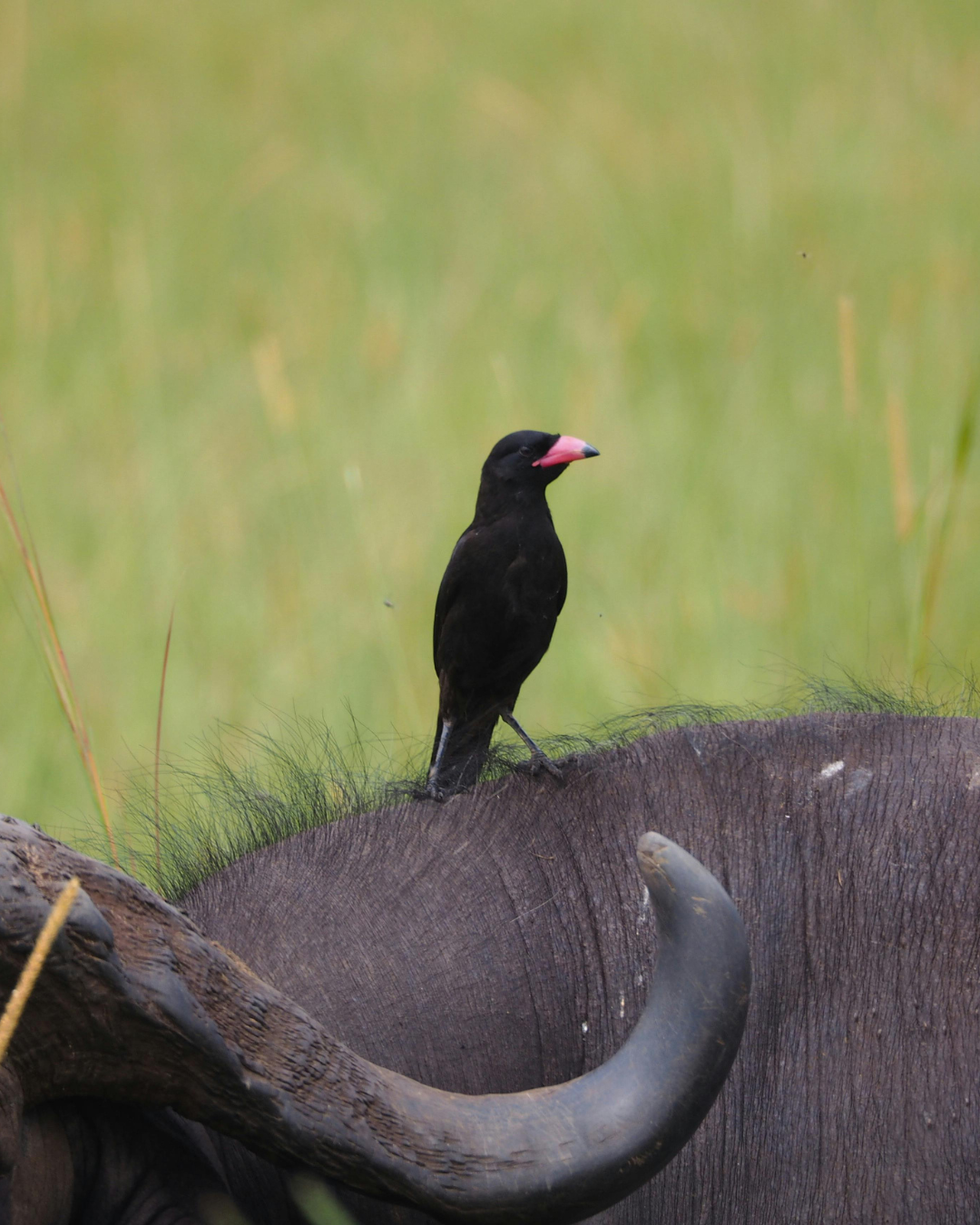
The Red-billed Oxpecker is the small bird many safari guests see sitting on buffalo, giraffe, zebra, rhino and antelope. Its bright orange-red bill makes it easy to recognise, and its relationship with large mammals makes it one of the most memorable birds for first-time safari travellers.
Southern Ground Hornbill
This large black bird with a red throat and face is one of Kruger’s most iconic species. It walks through the bush in small groups and is often spotted during morning game drives.
African Fish Eagle
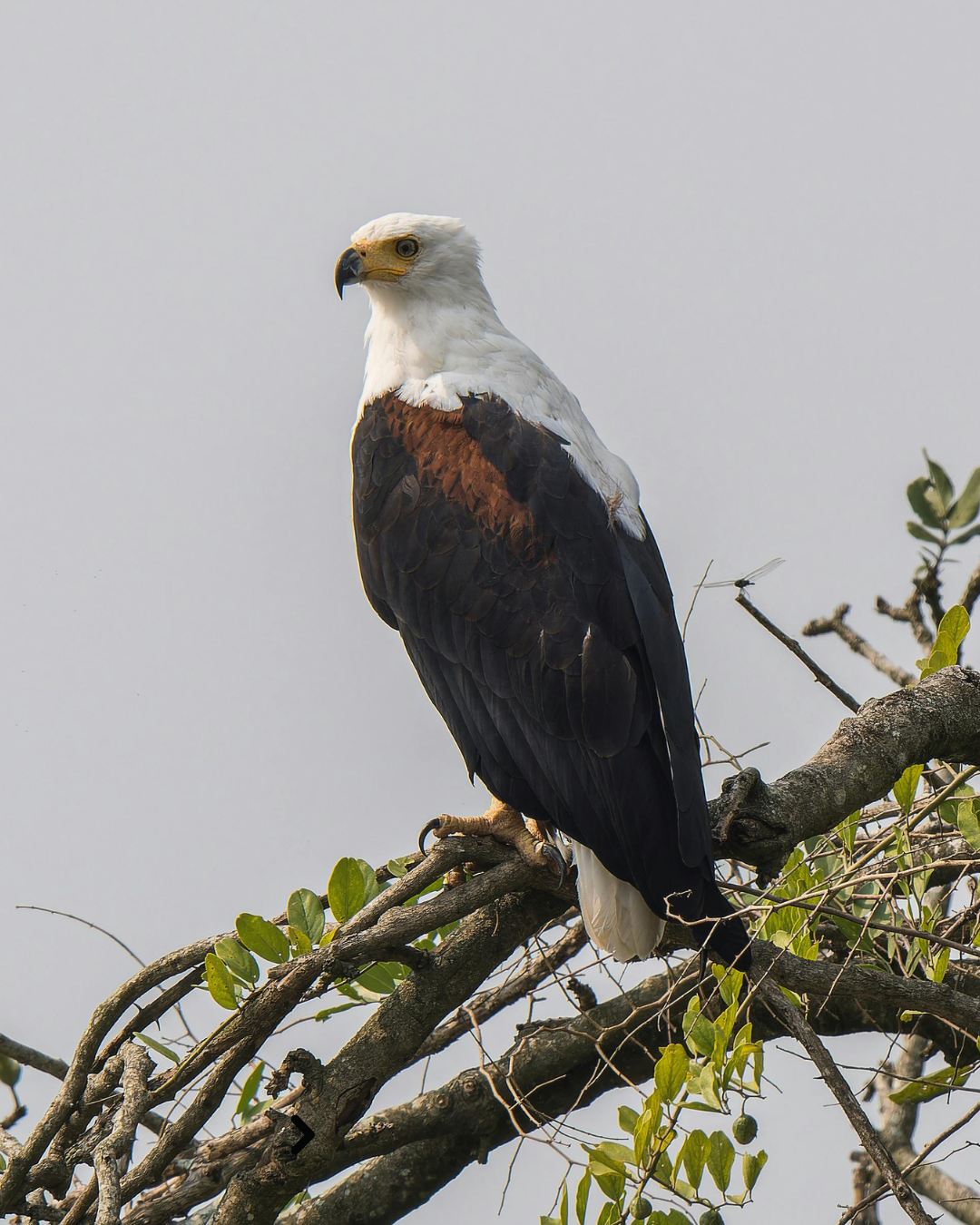
Near rivers and dams, the African Fish Eagle is one of the most atmospheric birds in the African bush. Its call is one of the classic sounds associated with rivers, water and safari landscapes.
Lilac-breasted Roller
Colourful rollers are favourites with photographers. They often perch in visible places, making them easier to photograph than many fast-moving bush birds.
Secretarybird
The Secretarybird is more strongly associated with open grasslands and savanna areas across Africa. While not an everyday Kruger sighting for every visitor, it is one of the most recognisable African birds and a powerful symbol for birding-friendly safari travel.

Best Areas for Birding in Kruger
Birding can be good throughout Kruger, but some habitats are especially rewarding.
Rivers and Bridges
River systems are excellent for kingfishers, storks, herons, fish eagles, bee-eaters and water-associated birds. Bridges can be useful because they allow travellers to pause safely and scan riverbanks.
Dams and Waterholes
Dams and waterholes attract both wildlife and birds. This makes them ideal for travellers who want birding without missing the broader safari experience.
Rest Camps
Rest camps can be surprisingly good for birding. Gardens, trees and water points often attract starlings, hornbills, barbets, doves, sunbirds and smaller species.
Open Grassland and Savanna
Open areas are good for raptors, bustards, rollers and ground birds. They also give photographers cleaner backgrounds and better light.
Best Time for Birding in Kruger
Kruger offers birding all year, but each season feels different.
| Season | Birding Experience | Best For |
|---|---|---|
| Summer / Green Season | Migrant birds, breeding plumage, active birdlife and lush scenery. | Birders, photographers and nature-focused travellers. |
| Autumn | Good transition season with pleasant weather and still-active birdlife. | Balanced safari and birding travel. |
| Winter / Dry Season | Vegetation is thinner, wildlife is easier to spot and water sources are productive. | First-time safari travellers and Big Five focus. |
| Spring | Warming weather, returning migrants and increasing activity before summer rains. | Travellers wanting a mix of wildlife and birdlife. |
For pure birding, the green season is often especially rewarding. For first-time safari travellers, the dry season can be easier for general wildlife. For couples and mixed-interest groups, shoulder months can offer a lovely balance.
Guided Safari vs Self-Drive for Birding
Both guided and self-drive Kruger safaris can work for birding, but they suit different travellers.
Guided Kruger Safari
A guided safari is ideal if you want local knowledge, easier logistics and help spotting wildlife and birds. Guides may notice calls, movement and behaviour that travellers miss on their own.
Self-Drive Kruger Safari
Self-drive gives you flexibility and the freedom to stop when you want. This can be helpful for birders, but it requires patience, navigation confidence and realistic expectations.
Private Vehicle Safari
For birding-focused travellers, a private vehicle can be the best option where available. It allows a slower pace, longer stops and more flexibility for photography. Availability and cost depend on lodge, season and route.
How to Plan a Birding-Friendly Kruger Safari
- Stay long enough: Three nights is better than two, and four to five nights gives more room for slower game drives.
- Choose varied areas: Combine riverine areas, open savanna and lodge grounds where possible.
- Travel at a realistic pace: Birding rewards patience, not rushing.
- Pack binoculars: Even casual birders enjoy the safari more with a good pair of binoculars.
- Tell your consultant your birding level: Casual, enthusiast, photographer or serious birder all need different planning.
Best Kruger Safari Combinations for Bird Lovers
Kruger + Panorama Route
This is a strong South Africa itinerary for travellers who want wildlife, scenery and easy access from Johannesburg. The Panorama Route adds Blyde River Canyon, waterfalls and mountain landscapes.
Explore: 4 Day Kruger Safari from Johannesburg.
Cape Town + Kruger
This combination is ideal for first-time visitors to South Africa. It combines Table Mountain, Cape Peninsula, Winelands and Kruger wildlife into one journey.
Explore: Cape Town to Kruger Safari.
Kruger + Victoria Falls + Chobe
This is one of the best Southern Africa combinations for travellers who enjoy birds, rivers and classic safari. Chobe and the Zambezi region add excellent water-based birding moments after Kruger.
Explore: Kruger & Victoria Falls Safari and Chobe Day Trip from Victoria Falls.
Is Kruger Good for Non-Birding Partners?
Yes. This is one of the reasons Kruger works so well. A birding-focused traveller can enjoy hornbills, rollers, raptors and waterbirds, while a partner who is more interested in wildlife can still enjoy elephants, giraffes, zebras, lions, leopards and classic safari scenery.
For couples, Kruger is often easier than a specialist birding-only destination because the safari experience remains broad, exciting and accessible.
What to Pack for Birding in Kruger
- Binoculars
- Camera with zoom lens if you enjoy photography
- Neutral safari clothing
- Sun hat and sunscreen
- Reusable water bottle
- Light rain jacket in summer
- Bird app or compact field guide
- Notebook or phone notes for sightings
For more general clothing advice, read our Safari Outfit Essentials guide.
Final Thoughts
Kruger National Park is not only a Big Five safari destination. It is also a beautiful birding-friendly landscape where the small details can become just as memorable as the famous animals.
From Southern Ground Hornbills and oxpeckers to fish eagles, rollers, storks and vultures, Kruger rewards travellers who slow down and look carefully. Whether you are a casual birdwatcher, a photographer, a couple planning a safari, or a nature lover wanting more than the usual checklist, Kruger is one of the best places to begin.
Plan a Birding-Friendly Kruger Safari
Tell Tourgy Tourz your travel dates, number of travellers, budget and birding level. We will help you plan a realistic Kruger safari route with wildlife, birds and comfortable logistics.
View Birding Safaris View Kruger Packages Request a Quote