Zimbabwe • Hwange • Photography
Hwange Photography Safari: Hides, Waterholes & Elephants
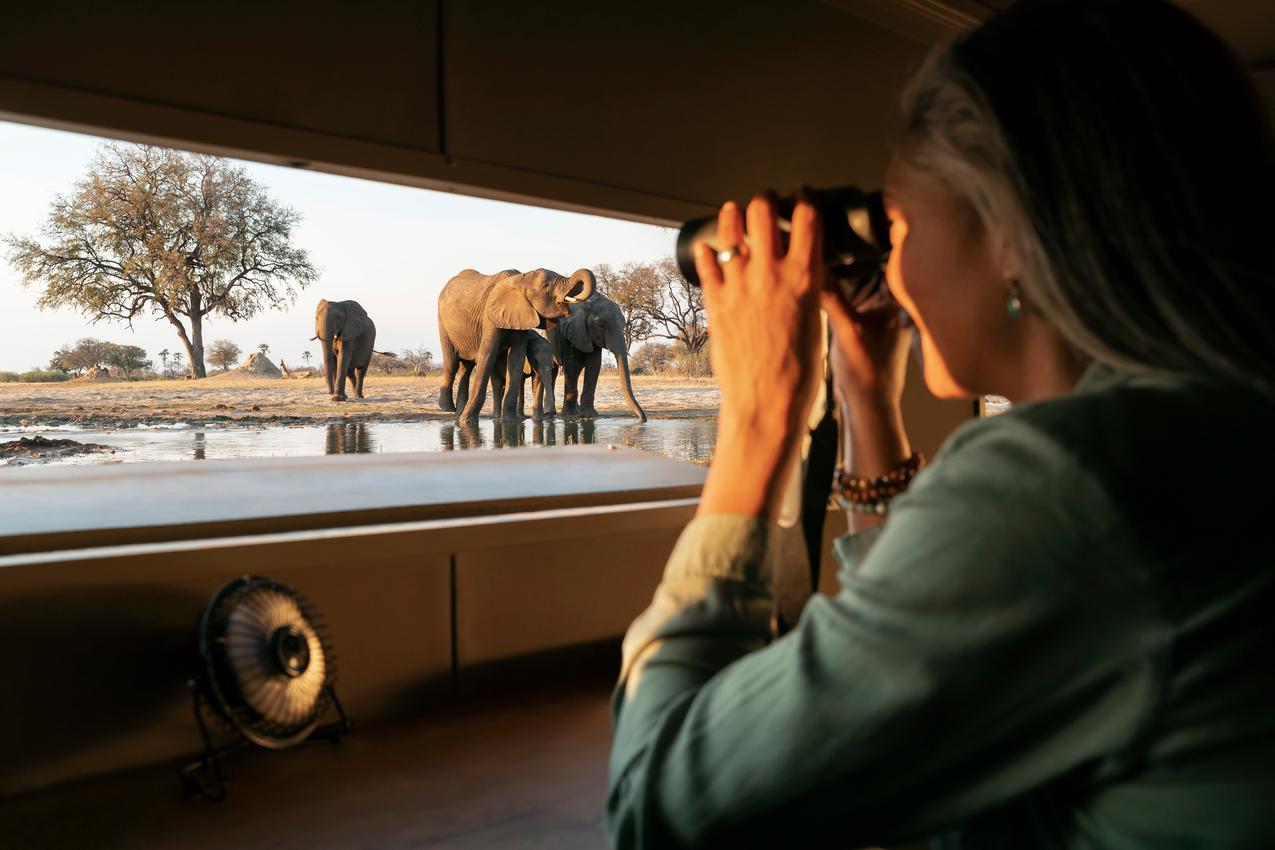
Imagine lying almost at ground level as an elephant's trunk swings past your lens, close enough to see the water drip from its tusks. Hwange National Park is one of Africa's most rewarding places for wildlife photography, thanks to its huge elephant herds, busy waterholes and camps with hides built right beside the water. This guide shows you how to plan a Hwange photography safari and come home with images you'll treasure.
At a glance
- Why Hwange: large elephant herds, predictable waterholes and low-level hides
- Best season: August to October, when animals depend on the waterholes
- Best light: the first and last two hours of the day
- Where to stay: camps with waterholes and hides, such as Linkwasha and Little Makalolo
- Must-have: a zoom lens of around 100–400 mm, plus a wide-angle for the hides
Why Hwange is a photographer's dream
Hwange has no large permanent rivers. In the dry season, wildlife depends on waterholes, many of them kept full by solar-powered boreholes. This makes animal movements surprisingly predictable: elephants, buffalo, lions and antelope come to drink at the same places day after day. For photographers, that means more time with subjects, better positioning and the chance to wait for the perfect moment.
What is a photographic hide?
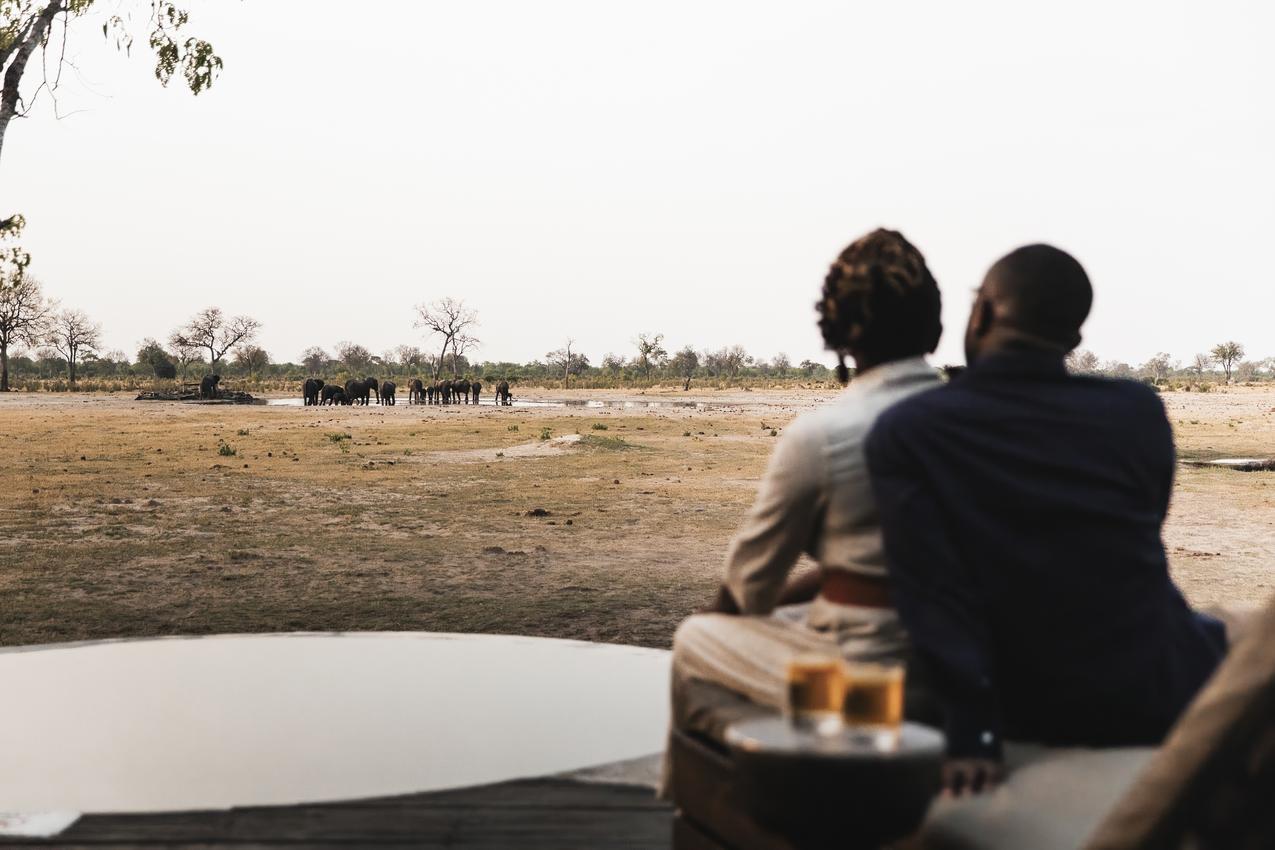
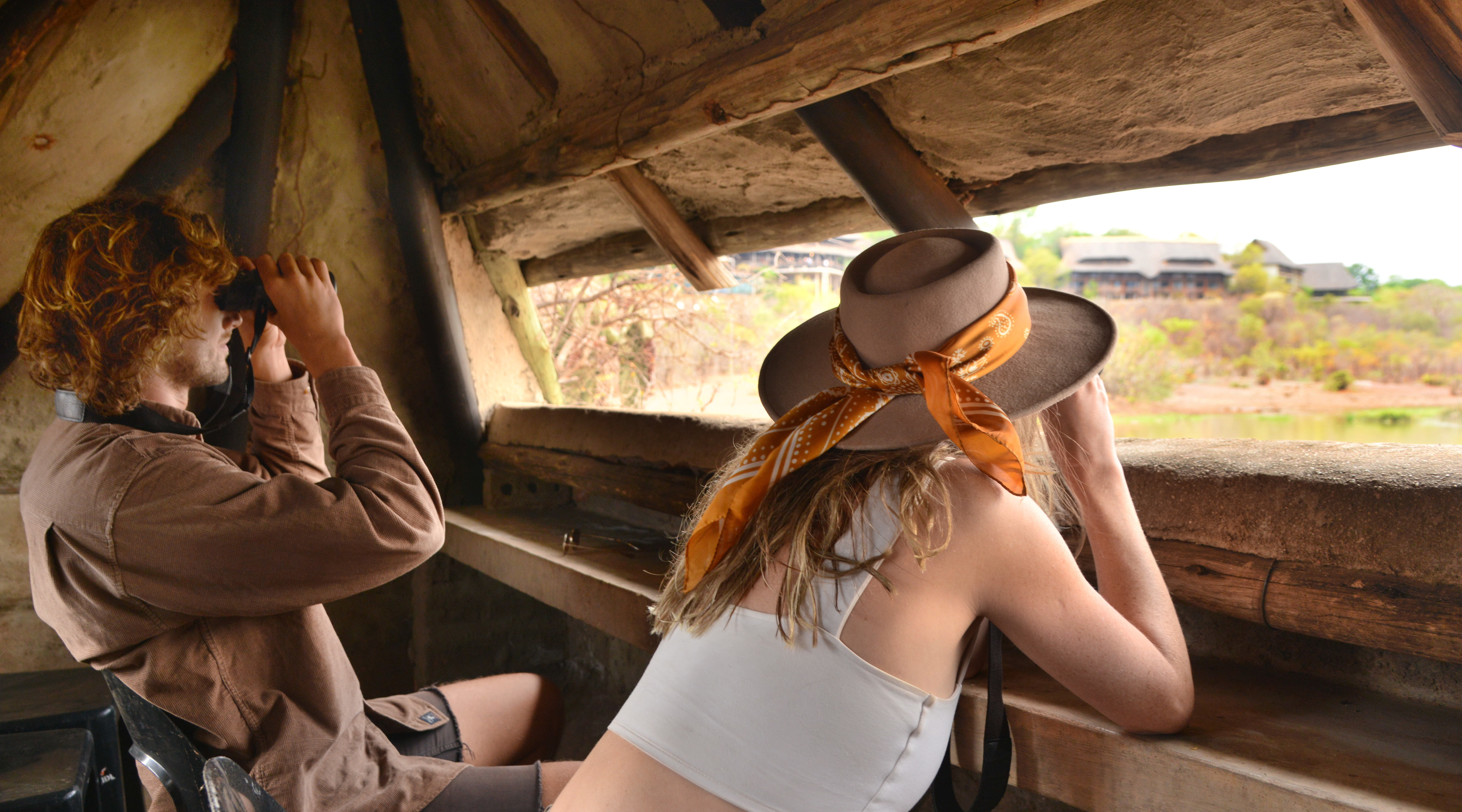
A hide is a small, sheltered viewing point, often sunken or built from logs, placed right beside a waterhole. Because you're hidden and at eye level with the animals, you get dramatic, low-angle shots that are impossible from a vehicle. Elephants drinking a few metres away, reflections in the water and dust-bathing herds are all classic Hwange hide images.
- Eye-level angles: powerful, intimate compositions
- Calm animals: wildlife behaves naturally when you're out of sight
- Long sessions: settle in for an hour or more and let the action come to you
Several Wilderness camps in Hwange, including Linkwasha and Little Makalolo, offer hides near their waterholes. Always use them with your guide's guidance. Read our Where to Stay in Hwange to compare the camps.
What can you photograph in Hwange?
- Elephants: Hwange is famous for its elephant population. Herds of all sizes come to drink, bathe and play at the waterholes.
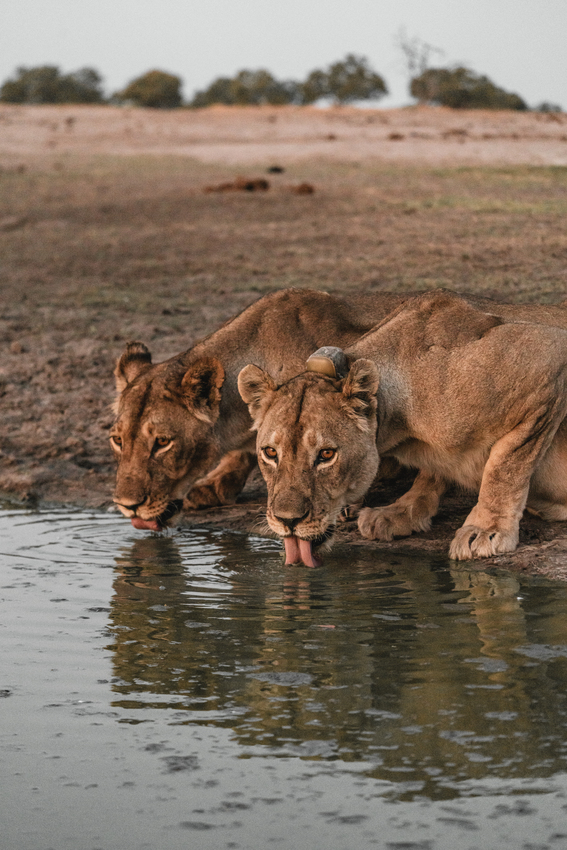
- Lions: prides often wait near water in the dry season. See our Hwange Wildlife Guide.
- Painted dogs: Hwange is a stronghold for these rare predators.
- Sable antelope, giraffes and zebras against the open pans
- Birds: raptors, bee-eaters and waterbirds around the pans
- Night skies: clear, dark skies are perfect for star photography, especially on a sleep-out. See our Hwange Walking Safaris & Sleep-Outs.
Best time for a Hwange photography safari
| Months | For photographers |
|---|---|
| May–July | Cool, clear and dry, with golden grass and soft winter light |
| August–October | Peak waterhole action, with big elephant herds, dust and dramatic light. Hot by October. |
| November–April | Green season: storms, baby animals, migrant birds and lush backgrounds, with animals more spread out |
See the full month-by-month guide in our Best Time to Visit Hwange.
Camera gear for Hwange
- Telephoto zoom: 100–400 mm or 150–600 mm for game drives
- Wide-angle or standard zoom: for elephants close to the hide and landscapes
- Beanbag: to rest your lens on the vehicle or hide window
- Spare batteries and memory cards: you'll shoot more than you expect
- Dust protection: a cover or cloth, especially in the dry season
- Light luggage: fly-in safaris have weight limits, so plan your camera bag carefully
Hwange photography tips
- Shoot early and late: golden light, active animals and long shadows
- Use a fast shutter speed: 1/1000 s or faster for splashing water and moving elephants
- Get low: in the hide, compose at eye level for maximum impact
- Watch the background: clean backgrounds make your subject stand out
- Tell a story: capture interactions, such as a calf with its mother or a lion drinking
- Stay quiet: in the hide, keep movement and noise to a minimum
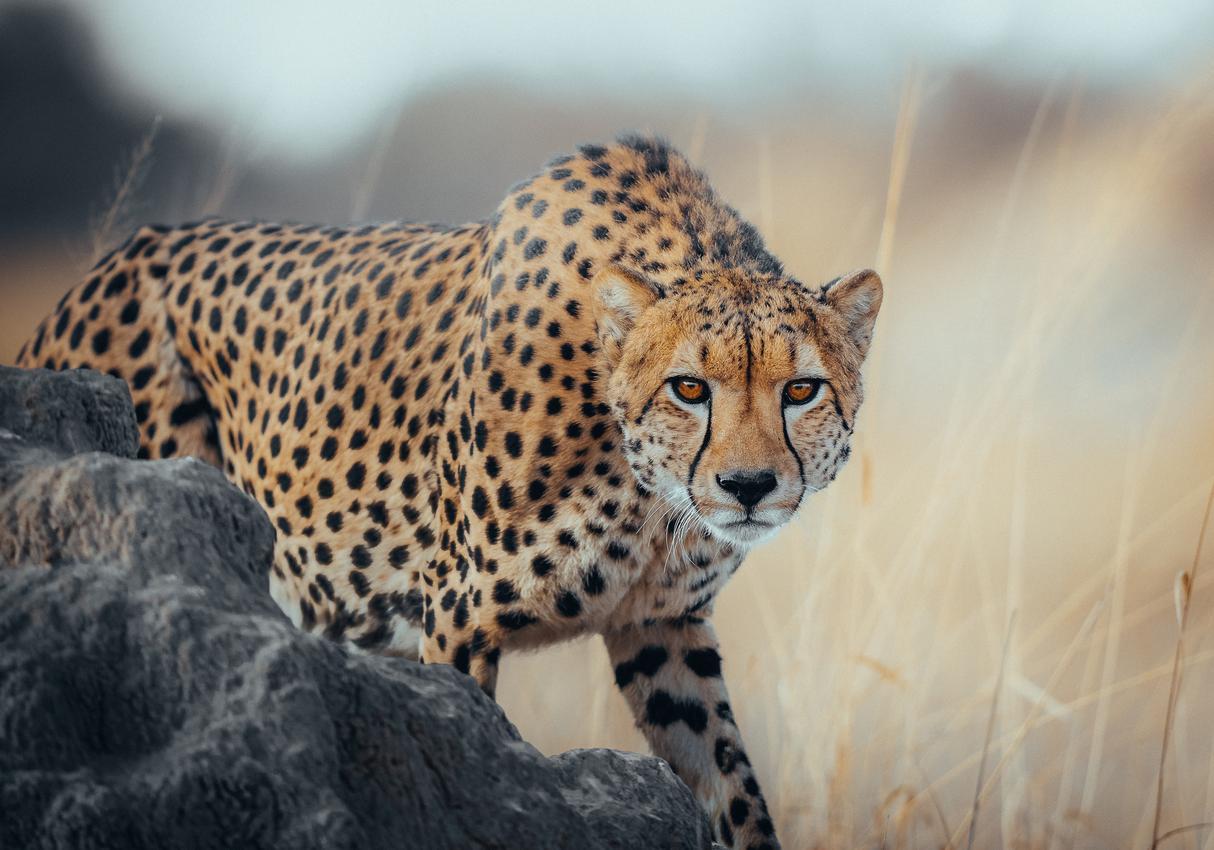
Make the most of your trip
Stay at least three nights at one camp to learn the waterhole's rhythm, and consider a private vehicle so you can stay as long as you like at sightings. Combine Hwange with Victoria Falls for a complete photography journey. See our Victoria Falls and Hwange Safari.
Dust hangs in the golden light, an elephant calf splashes at the water's edge and your shutter clicks. You'll look at that image for years and feel the warmth of that afternoon all over again.
Frequently asked questions
Is Hwange good for wildlife photography?
Yes. Hwange's large elephant herds, predictable waterholes and camps with low-level hides make it one of Africa's best photography destinations.
What is a photographic hide on safari?
A hide is a small, sheltered viewing point, often sunken or built from logs, beside a waterhole. It lets you photograph animals at eye level without disturbing them.
Which Hwange camps have hides?
Several Wilderness camps, including Linkwasha and Little Makalolo, offer hides near their waterholes. Ask us which camp best suits your photography goals.
When is the best time for photography in Hwange?
August to October offers peak waterhole action. May to July has cool weather and soft light, and the green season brings storms, baby animals and birds.
What lens should I bring to Hwange?
Bring a telephoto zoom, such as 100-400 mm, for game drives and a wide-angle or standard zoom for close elephants at the hides.
Plan your Hwange photography safari
We'll choose camps with the best waterholes and hides, and arrange a private vehicle if you'd like one.
Hwange Safaris Request a Quote WhatsApp Us