South Africa • Kruger • Private Reserves
Sabi Sand Safari Guide: Leopards, Lodges and What to Expect
Ask a South African guide where to see a leopard and the answer is usually the same: the Sabi Sand. This private reserve on the western edge of Kruger National Park has become one of the most famous safari areas in Africa, and for good reason. A Sabi Sand safari combines Big Five game viewing with the freedom of a private reserve: off-road tracking, night drives and lodges that only a handful of vehicles share. Here is how it works, what a day looks like and how to plan your stay.
Sabi Sand at a glance
- Where: Mpumalanga, sharing an unfenced border with Kruger National Park
- Size: about 65,000 hectares of private land
- Famous for: leopards, plus the rest of the Big Five
- Getting there: about an hour's flight from Johannesburg, or a long day's drive
- Ideal stay: 3 nights, or 4 to 5 if wildlife photography is your focus
- Malaria: a malaria area, with the lowest risk from May to September
What is the Sabi Sand?
The Sabi Sand is a group of privately owned properties that share one large reserve beside Kruger. There is no fence between the two, so elephants, lions, leopards and buffalo move freely back and forth. The Sand and Sabie rivers run through the area, and the mix of riverine forest, open grassland and thick bush supports a remarkable density of wildlife.
Many of the families who own land here have run their properties for generations. That long history, and decades of animals growing used to quiet, respectful vehicles, is a big part of why sightings can be so relaxed and close. It is also why some of the best-known safari lodges in Africa are found here.
Sabi Sand vs Kruger National Park
Both are excellent, but they offer different experiences. Kruger is a vast national park where you can self-drive on public roads and stay in rest camps. The Sabi Sand is private, so the rules are different.
| Sabi Sand (private reserve) | Kruger National Park | |
|---|---|---|
| Off-road driving | Allowed, so guides can follow animals into the bush | Not allowed; vehicles stay on roads |
| Night drives | Part of most evening drives, with a spotlight | Only on official guided drives |
| Vehicles at sightings | Limited, coordinated by guides on the radio | Popular sightings can draw many cars |
| Walking safaris | Offered by many lodges | Offered on official guided walks |
| Self-drive | Not available; you go out with your lodge's guide and tracker | Yes, on public roads |
| Cost | Higher, usually all-inclusive | From budget to luxury |
Many travellers combine both: a few days exploring Kruger on their own, then a private reserve to finish. Our guide to the location of Kruger National Park explains how the area fits together.
Why the Sabi Sand is famous for leopards
Leopards are shy, mostly nocturnal and hard to find in most of Africa. In the Sabi Sand, generations of leopards have grown up around game-drive vehicles and treat them as part of the landscape. Combined with off-road tracking and expert trackers who read footprints in the sand, this means many guests see leopards several times during a stay of a few nights, sometimes resting in a tree with a kill, sometimes walking right past the vehicle.
Leopards are only part of the story. The reserve also has lion prides, large herds of elephant and buffalo, white rhinos, wild dogs that pass through from time to time, and a long list of smaller animals that come out at night, such as genets, civets and bushbabies.
A typical day on a Sabi Sand safari
| Time | What happens |
|---|---|
| Early morning | Wake-up call, coffee and rusks, then a game drive of about three hours, with a coffee stop in the bush |
| Late morning | Back at the lodge for brunch. Some lodges offer a guided walk instead |
| Midday | Rest, swim or watch the waterhole while the animals shelter from the heat |
| Afternoon | High tea, then the evening drive, with sundowner drinks as the sun sets |
| After dark | The drive continues with a spotlight, then dinner in the boma or under the stars |
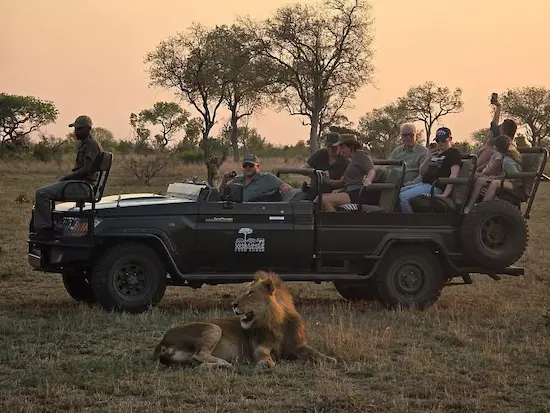
Each vehicle usually has a ranger who drives and a tracker who sits at the front looking for signs. Listening to them work together is one of the highlights of the experience.
Where to stay in the Sabi Sand
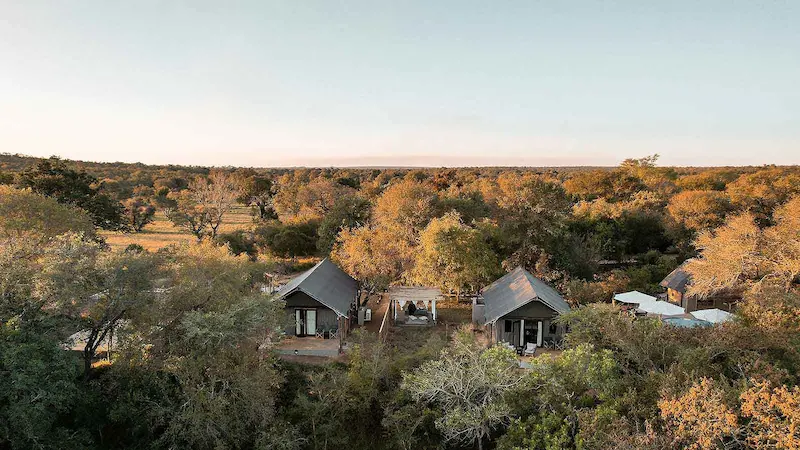
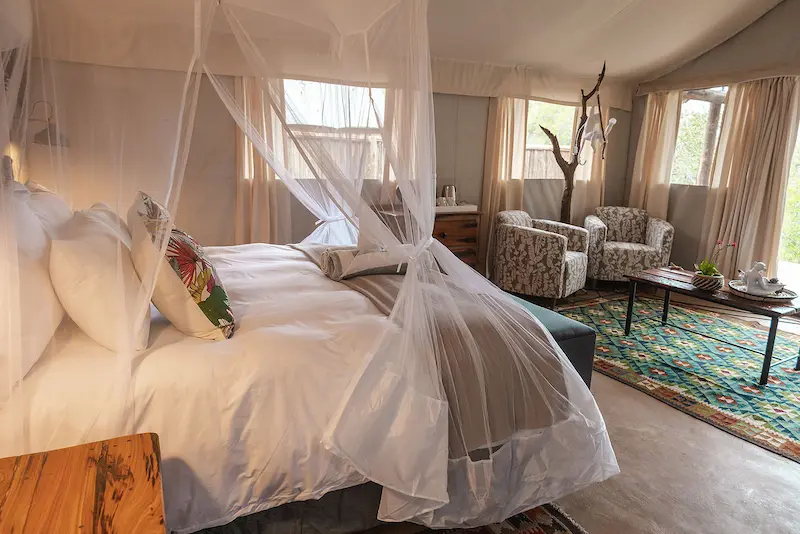
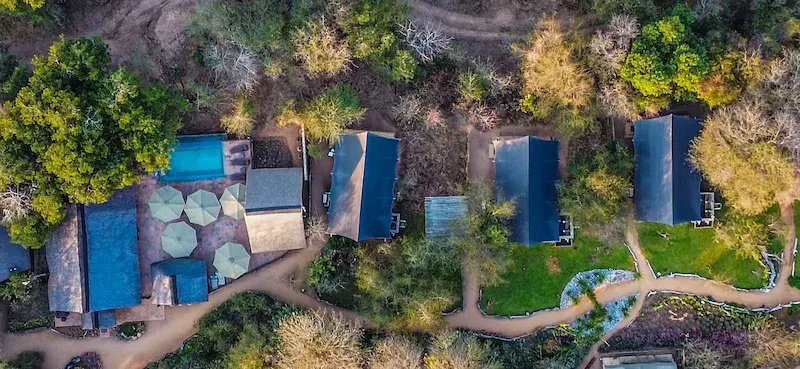
The Sabi Sand has more than 30 lodges, ranging from comfortable family-run camps to some of the most famous luxury lodges in Africa. Rates usually include all meals, two game drives a day and often local drinks.
Iconic luxury
The famous names
Lodges such as Londolozi, MalaMala, Singita and Sabi Sabi are known worldwide for their guiding and design. They are perfect for a honeymoon or a once-in-a-lifetime trip.
Warm and personal
Smaller family-run lodges
Smaller lodges, such as Umkumbe Bush Lodge, offer the same wildlife with a more intimate, relaxed feel, and often better value. Read about Umkumbe in our guide to a luxury Kruger safari at Karongwe, Kapama and Umkumbe.
Families
Lodges with children's programmes
Many lodges accept children from about six years old on game drives, and a few run dedicated programmes for young explorers. Some lodges are adults-only, so check before you book.
Best time for a Sabi Sand safari
The Sabi Sand is good all year, but the seasons feel different:
- May to September (dry winter): the bush thins out, animals gather near water and sightings are at their easiest. Mornings and evenings are cold on open vehicles, so bring a warm jacket. This is also the lowest malaria risk.
- October to April (green summer): hot days, afternoon storms, lush scenery and baby animals from around November. Birdlife is excellent and many lodges offer lower rates.
For more detail, read the best time to visit Kruger, which applies to the Sabi Sand too.
How to get to the Sabi Sand
- Fly: the quickest option. Fly from Johannesburg to Kruger Mpumalanga International Airport near Mbombela (about an hour), then take a road transfer or a short light-aircraft flight to your lodge's airstrip. Some lodges can also be reached via Skukuza or Hoedspruit.
- Drive: allow most of a day from Johannesburg. Self-drive guests leave their car at the lodge and go on all drives with the lodge's guide.
Our guide on how to get to Kruger from Johannesburg compares the options, and the luxury fly-in Kruger safari guide covers flying in style.
Tips for your Sabi Sand safari
- Stay at least three nights. Each drive is different, and more drives mean more chances for special sightings.
- Pack neutral, warm layers for early starts, even in summer.
- Bring binoculars and a zoom lens: leopards in trees are worth the extra reach.
- Ask about malaria with a travel clinic before you go.
- Tip your ranger and tracker at the end of your stay; your lodge can advise on amounts.
- Book early for the dry season and South African school holidays.
What does a Sabi Sand safari cost?
Prices vary widely between lodges and seasons, from comfortable family-run camps to exclusive suites. Because rates are usually all-inclusive, a private reserve can be better value than it first seems. Our Kruger safari package cost guide gives an idea of budgets, and we'll happily price options for your dates.
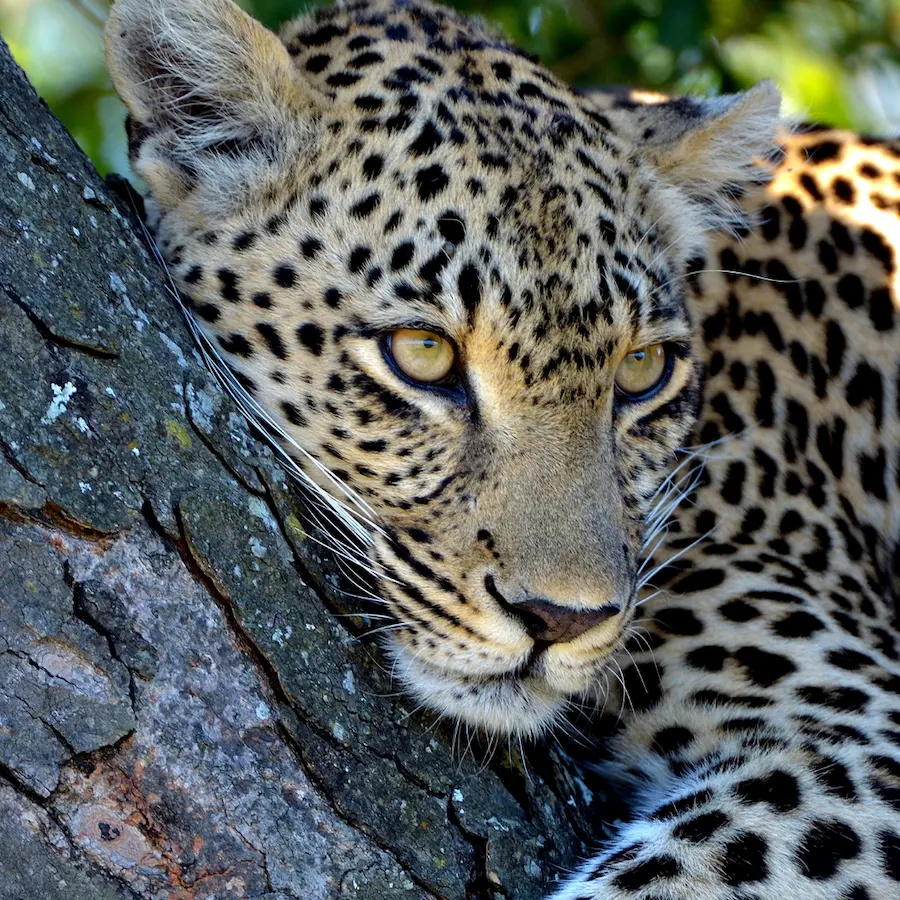
The tracker raises his hand, the engine goes quiet, and there she is: a leopard draped over a marula branch, tail swinging, watching you with amber eyes. In the Sabi Sand, moments like this are why people come back again and again.
Frequently asked questions
Why is the Sabi Sand famous for leopards?
Generations of leopards in the Sabi Sand have grown used to game-drive vehicles, and guides can drive off-road with expert trackers to follow them. Many guests see leopards several times during a stay of a few nights.
What is the difference between the Sabi Sand and Kruger?
The Sabi Sand is a private reserve next to Kruger with no fence between them. It allows off-road driving, night drives and limited vehicles at sightings, while Kruger is a national park where you can self-drive on public roads.
How many nights should I stay in the Sabi Sand?
Three nights is a good minimum, giving you six game drives. Photographers and wildlife lovers often stay four or five nights.
Is the Sabi Sand malaria-free?
No. The Sabi Sand is in a malaria area, with the lowest risk from May to September. Speak to a travel clinic about prevention before you travel.
How do you get to the Sabi Sand from Johannesburg?
Most travellers fly to Kruger Mpumalanga International Airport in about an hour, then take a road transfer or a short flight to the lodge airstrip. You can also drive, which takes most of a day.
Plan your Sabi Sand safari
Tell us your dates and travel style and we'll match you with the right Sabi Sand lodge, or combine it with Kruger, Cape Town or the beach.
View Kruger Safari Packages Private Kruger Safari Tours Request a Quote WhatsApp Us